



# Business
Private Payrolls in the U.S. Went Up in October
Private payrolls in the U.S. rose sharply, which showed that the job market was getting better again, even though some big companies were still laying off workers.


Sat, March 21, 2026

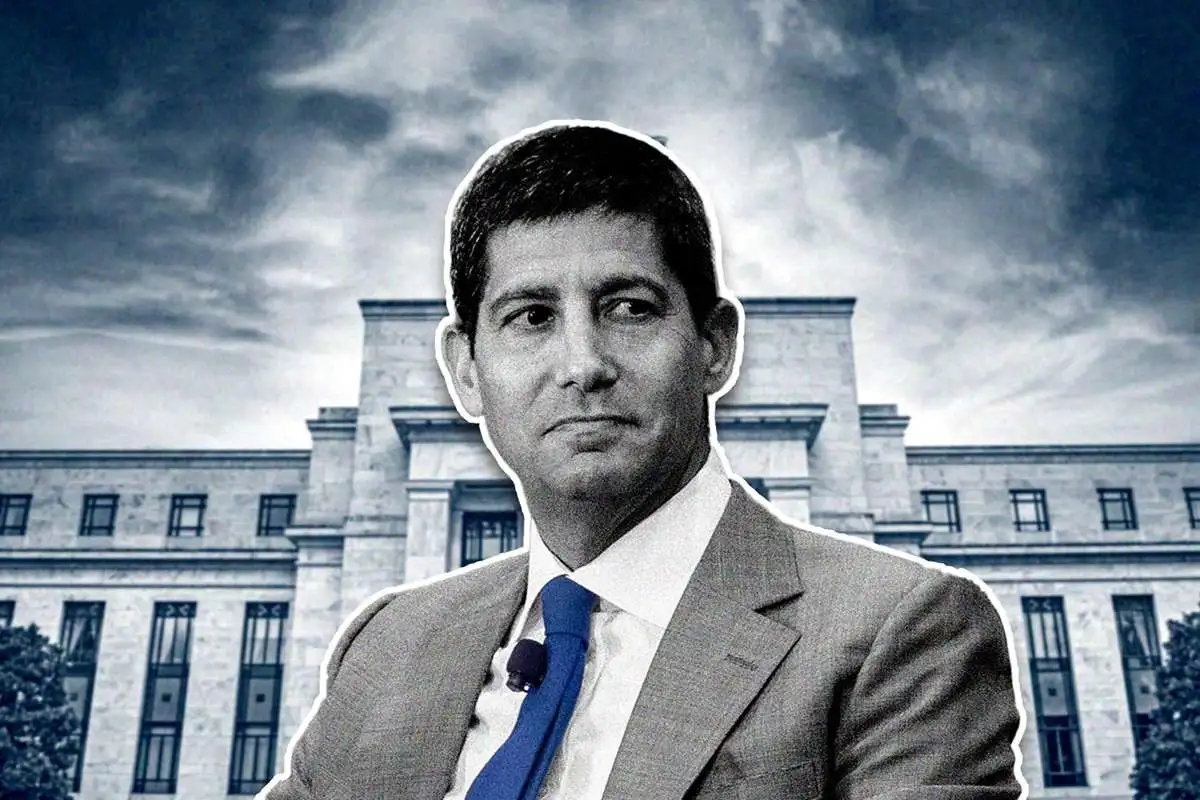
The recent revelation that Warsh would lead the Federal Reserve has sent shockwaves through the American financial system.This is a key point in the transfer of the Fed Chair.As the financial industry thinks about what it means for Kevin Warsh to take over for Jerome Powell in May 2026, U.S. banks have quickly made changes to their operations.Financial markets were ready for a time of uncertainty, but now they are adjusting their expectations around a leader who has a lot of experience in both the private sector and the inner workings of the central bank.
This change in leadership comes at a time when the banking industry is trying to recover from the ups and downs of the past several years.Major banks and credit unions are keeping a careful eye on how a change in monetary policy will affect the cost of capital and the availability of loans.Most institutional leaders agree that this change is more than just a change in staff.It is a move toward a monetary strategy that focuses more on the market, which might transform the way the Fed works with the country's biggest lenders.

One of the first things that happened after Warsh was nominated was that the U.S. dollar went up a lot.Analysts say that the dollar will get stronger for the rest of 2026.This trend was supported by the dollar index soaring above 97 shortly after the news came.The dollar's gain is mostly due to the belief that the Federal Reserve will be more careful with its balance sheet, which might lower the amount of dollars in the global system and make the dollar even more of a safe haven.
For U.S. banks that conduct a lot of business outside the U.S., a higher dollar might be both good and bad.A strong dollar can make imports cheaper and help keep prices stable at home, but it also changes the playing field for multinational companies that depend on American financing.Banks are telling their business clients to protect themselves against changes in currency values because the "Warsh Shock" is still affecting worldwide foreign exchange markets.This will make sure that the move doesn't stop international trade from happening.
A key part of the planned policy change under new leadership is a renewed focus on stricter controls on inflation.Kevin Warsh has always been skeptical about the long-term benefits of a large Federal Reserve balance sheet.He says that too much money printing and government expenditure are the main causes of price volatility.As a result, people in the market are getting ready for a government that puts price stability first by using more traditional and possibly stricter monetary measures.The goal of this concentration on stricter inflation controls is to keep long-term expectations in check and stop the "sticky" inflation that happened in early 2026 from becoming a permanent part of the economy.
The banking industry sees these possible regulations as a vital step toward stable long-term lending.When inflation is kept in check, banks can more correctly set the prices of long-term loans like mortgages and business credit lines without having to add huge risk premiums.Some people may have hoped for a faster path to lower interest rates, but the promise of a stable inflationary environment is being met with cautious relief by the Federal Reserve's main dealers and regional banks.
The change in Fed Chair is expected to change the way bank reserves work in a big way, beyond just the headlines about interest rates and the strength of the dollar.The Warsh nomination has started a discussion over the "ample reserves" system that has been in place for the past few years.If the Federal Reserve cuts its $6.5 trillion balance sheet by a lot, it might make bank reserves harder to find.If this happens, the banking industry will have to rely more on private capital markets instead of central bank facilities.This is in line with the nominee's preference for market-driven solutions.
But people don't think this change will happen without any outside help.Experts in the field say that if the Fed's balance sheet gets tighter, there may be a time when U.S. banking is less regulated.The government might let private banks use capital that is currently held in reserve by lowering the capital requirements after the crisis.This would "privatize" the liquidity that the Fed used to provide.This plan would try to help the real economy and keep strong growth going without the central bank having to have a big presence in the securities market.
As we get closer to 2026, the attention will turn from how the market reacted to how these new rules are really put into place.The banking industry is getting ready for a "hawkish-dove" mix, in which the Federal Reserve would slash interest rates selectively to help a productivity surge powered by technology while also keeping a tight grip on the money supply.This subtle approach is meant to create an atmosphere for high growth, which might be powered by advances in artificial intelligence.At the same time, it makes sure that the benefits of this growth are not lost by a drop in the value of the currency.
In the end, the Warsh nomination will only help stabilize the financial system if the Federal Reserve and the Treasury Department work together.Banks want a clear, data-driven way of talking that cuts down on the need for frequent "forward guidance" and lets the markets find their own way again.The goal for the rest of the year for the U.S. financial industry is to get used to this new period of monetary discipline and use a stronger dollar and stable pricing to start the next cycle of American economic growth.
Private payrolls in the U.S. rose sharply, which showed that the job market was getting better again, even though some big companies were still laying off workers.
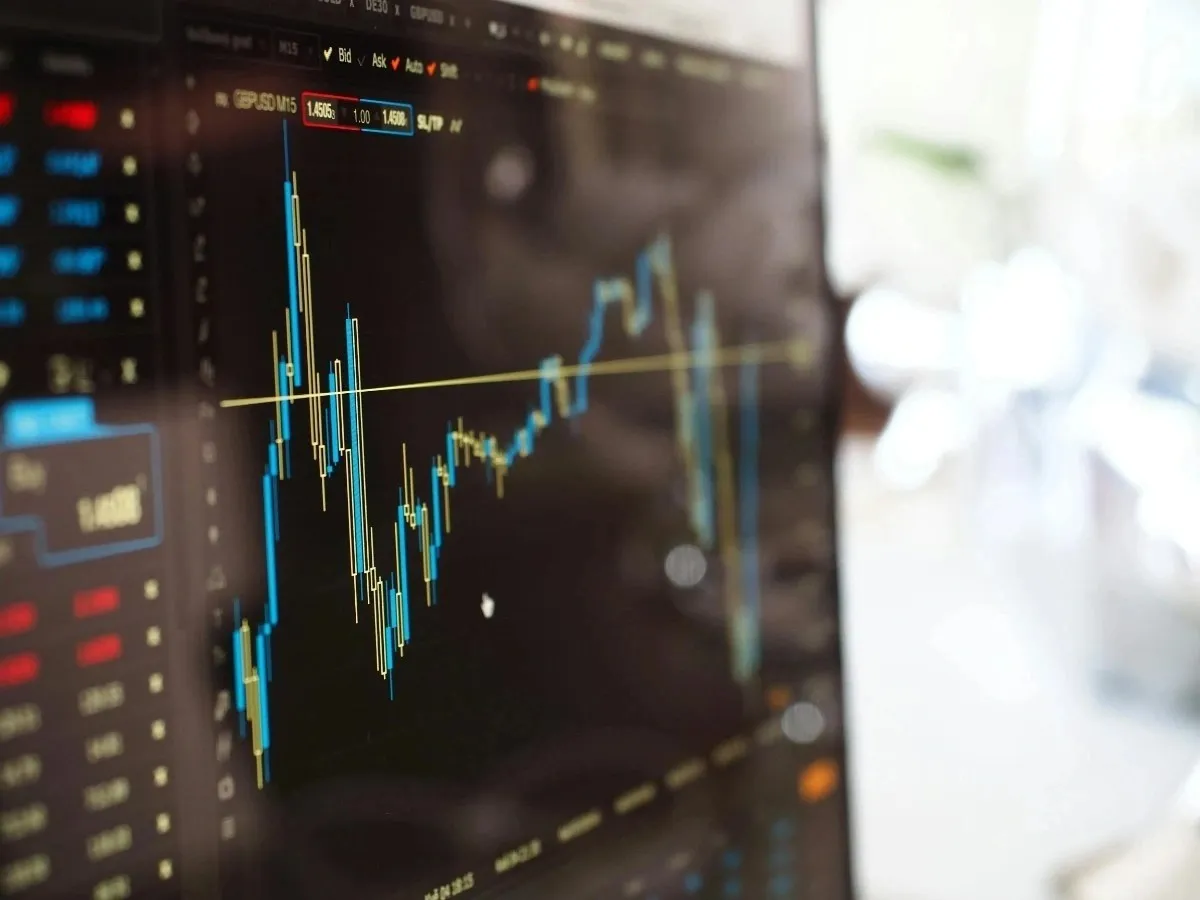
The best Wall Street experts say that the chances of a stock market disaster are growing as prices go up and the economy becomes less stable.
The fast food chain's sales were better than Wall Street had thought because their cheap value meals drew in customers who were hesitant to spend a lot of money on food.
Leave a Reply