capital-markets
What a credit rating can tell you about a corporate bond
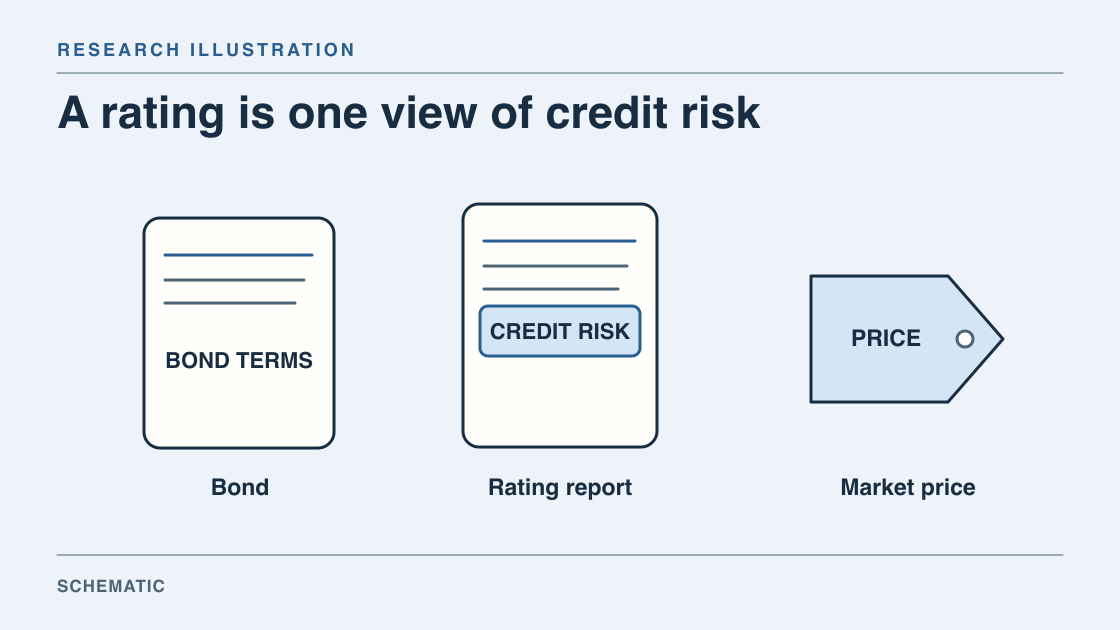
The letters describe credit risk. Reading them alongside a bond’s terms and its yield shows what the rating leaves for investors to assess.
A journal of deals & capital
An announcement is the beginning of a story. Follow the agreements, the money and the conditions to understand what happens next.
Read from the journal ↗The publication
capital-markets
The letters describe credit risk. Reading them alongside a bond’s terms and its yield shows what the rating leaves for investors to assess.
deals-explained
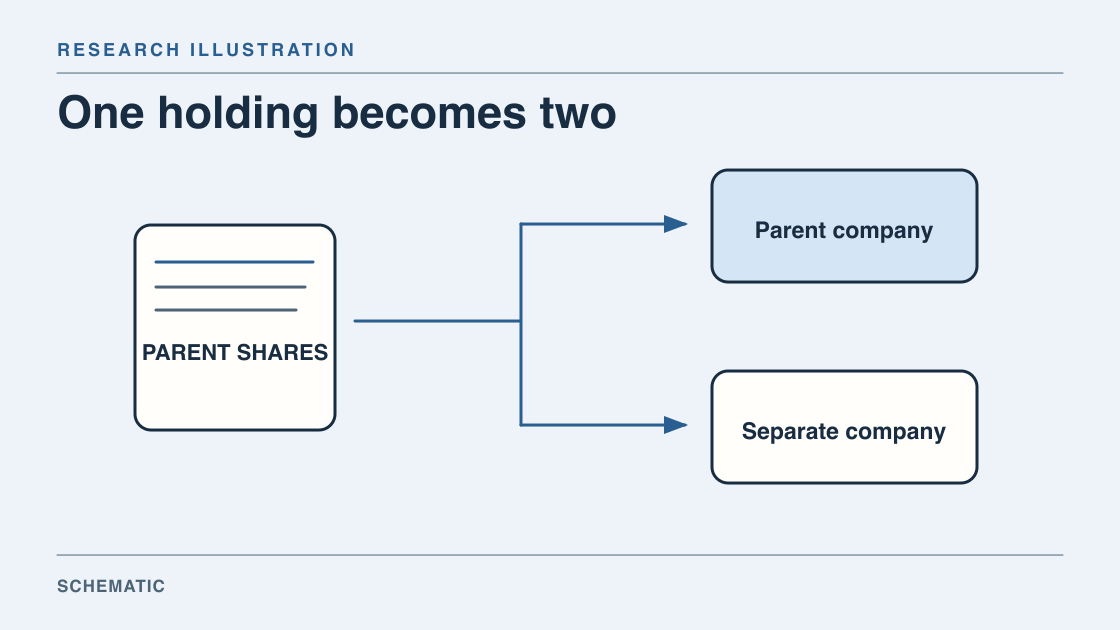
A spin-off turns a business inside one public company into a separate company with its own shares. GE Vernova shows how the share distribution worked and what changed beneath it.
deals-explained
Follow a U.S. acquisition through its agreement, any shareholder decision and regulatory review, then find the filing that confirms closing.
market-structure
One fictional bond pays $40 a year. See how paying $800, $1,000 or $1,200 changes the current yield.
capital-markets
An actual Treasury bill result shows how to read the cutoff rate, the price and the bids accepted at the cutoff.
market-structure
The bid is what a buyer is offering and the ask is what a seller is requesting. The gap tells you about a quote at a particular moment.
deals-explained
A tender offer gives holders a window to offer their shares for sale. The deadline and conditions matter as much as the headline price.
capital-markets
A buyback can shrink the number of shares used to calculate earnings per share. Apple’s 2024 filing shows why the profit figure still matters.
market-structure
Execution agrees the trade. Settlement transfers the shares and the money. A U.S. timeline shows where the extra business day comes in.