




# Business
Private Payrolls in the U.S. Went Up in October
Private payrolls in the U.S. rose sharply, which showed that the job market was getting better again, even though some big companies were still laying off workers.


Fri, April 10, 2026

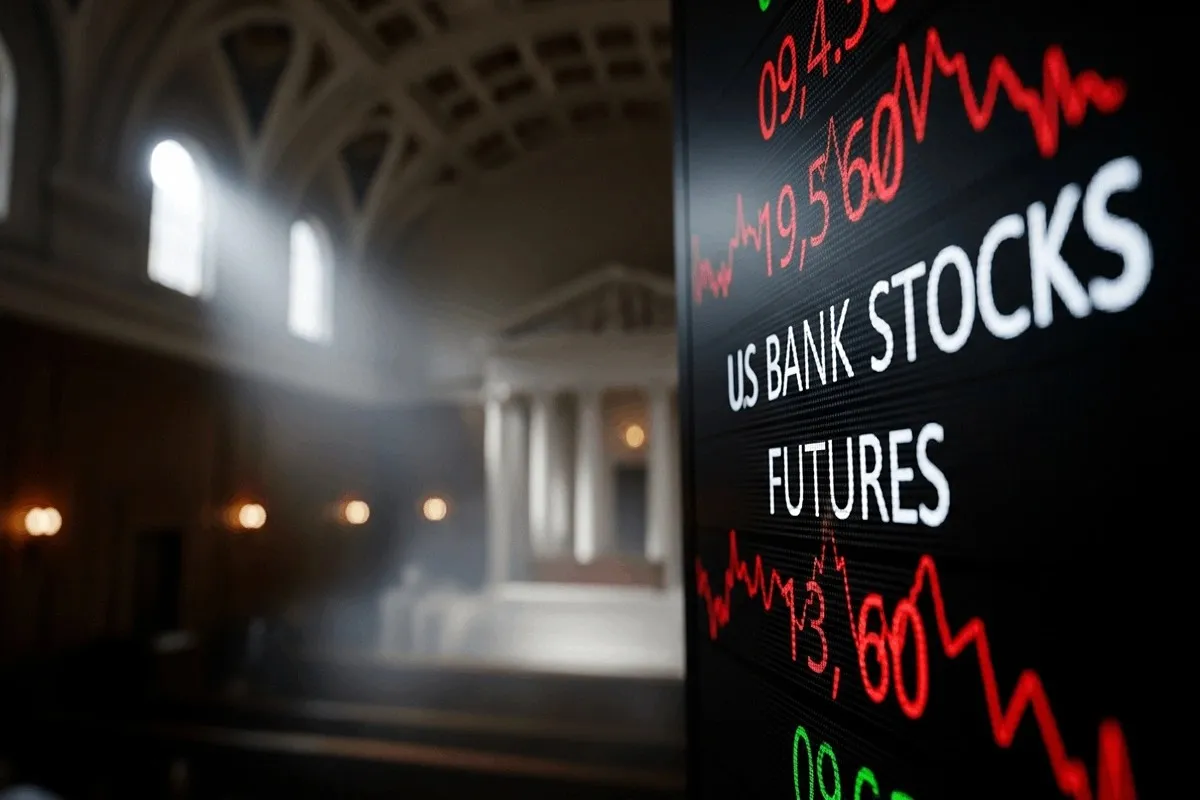
The financial landscape shifted significantly as US Bank Stocks and Futures React to Supreme Court Tariff Decision this week. Investors woke up to a complex set of market signals after the highest court in the land issued a landmark judgment that essentially dismantled the administration’s previous trade framework. While some had hoped for a reprieve from trade tensions, the immediate aftermath has instead triggered a wave of cautious selling. This move reflects the delicate balance the market is trying to strike between legal clarity and new, looming trade barriers that could impact everything from consumer spending to corporate lending.
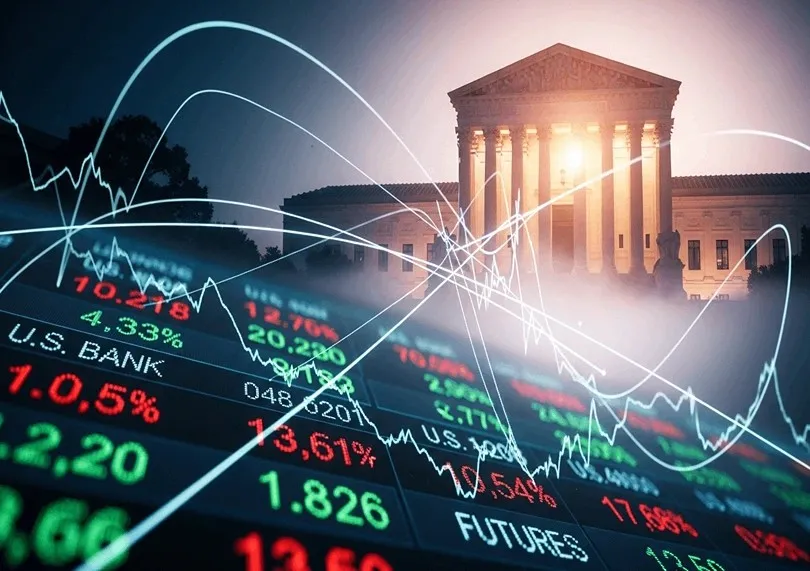
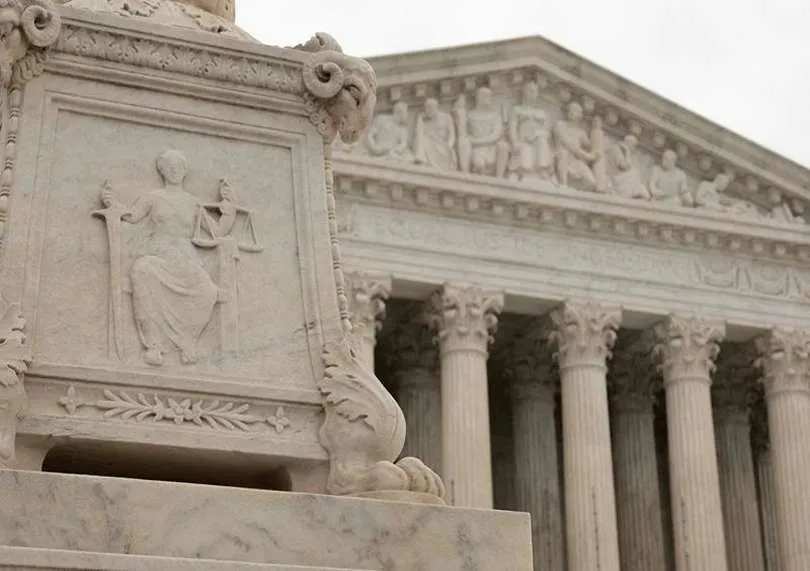
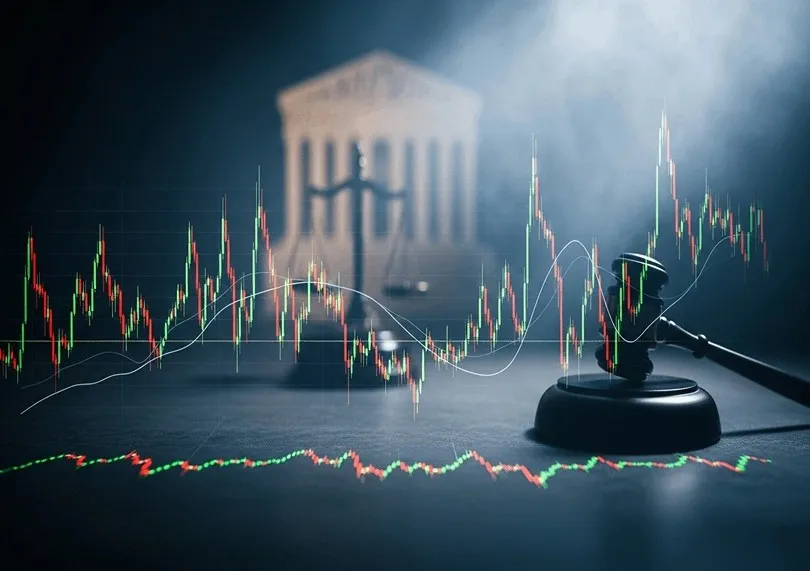
Financial markets across the country are processing the ripple effects of the latest judicial intervention.Banking stocks and US futures saw a dip Monday morning as traders grappled with the implications of the Supreme Court ruling on trade tariffs.While the decision technically struck down a broad set of existing levies, the relief was short-lived.The prospect of a prolonged legal and economic transition has dampened the bullish momentum seen late last week, leading to a notable retreat in major indices.Analysts suggest that the initial confusion is primarily driven by the speed at which the executive branch moved to fill the policy vacuum created by the court.
The core of the current market anxiety stems from the Supreme Court ruling that found the administration’s use of emergency powers to implement broad trade tariffs was unconstitutional.The 6-3 decision emphasized that the power to tax and regulate foreign commerce remains firmly within the hands of Congress.This should have been a win for global trade advocates, but the administration immediately pivoted to an alternative legal mechanism.By invoking Section 122 of the Trade Act of 1974, the president has maintained the pressure on global partners, effectively bypassing the court's immediate restrictions through a different statutory window.
As the industry braces for a new 10% global tariff executive order, financial institutions are recalculating their risk models for the remainder of the year.Banks are particularly sensitive to these shifts because trade policy directly influences inflation expectations and the Federal Reserve’s interest rate path.A new layer of import costs could keep prices elevated, potentially forcing the central bank to delay anticipated rate cuts.For the banking sector, this means navigating a treacherous path where lending volume might slow down even as net interest margins remain under pressure from a cooling broader economy.
The road ahead remains murky for investors trying to find a solid footing. The introduction of the new 10% global tariff executive order serves as a stark reminder that trade remains the primary tool for American economic diplomacy, regardless of judicial pushback. This temporary surcharge is designed to last for a 150-day window, creating a period of intense volatility as businesses rush to adapt their supply chains. Until there is more definitive word on how these new costs will be absorbed or passed on to consumers, US futures are likely to remain sensitive to every headline coming out of the White House and the Treasury Department.
Private payrolls in the U.S. rose sharply, which showed that the job market was getting better again, even though some big companies were still laying off workers.
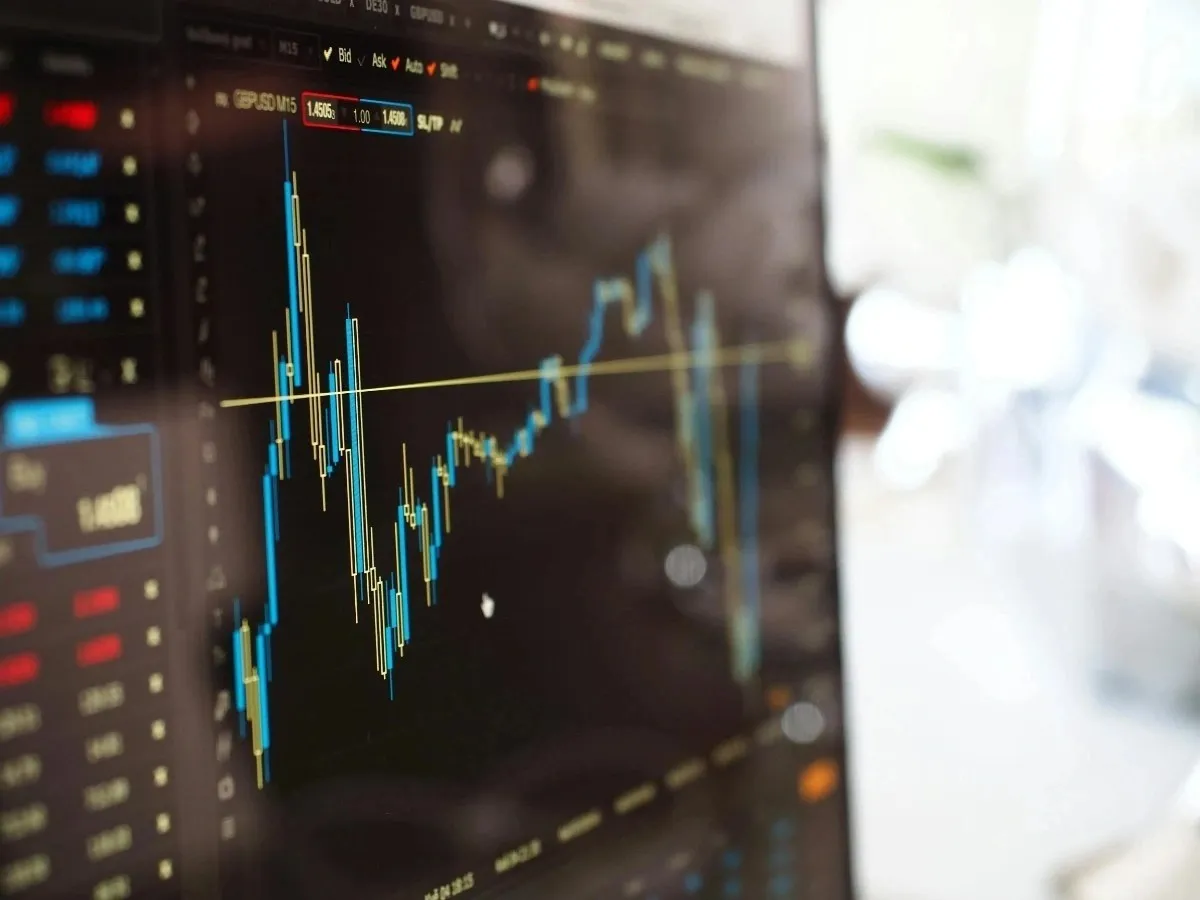
The best Wall Street experts say that the chances of a stock market disaster are growing as prices go up and the economy becomes less stable.
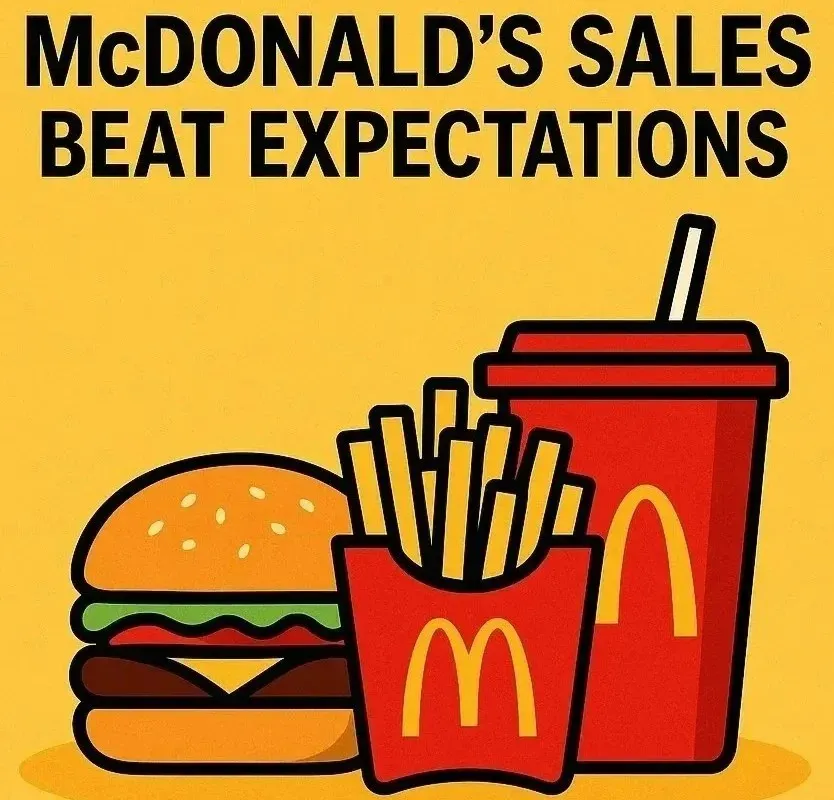
The fast food chain's sales were better than Wall Street had thought because their cheap value meals drew in customers who were hesitant to spend a lot of money on food.
Leave a Reply