




# ESG
Politicians in the U.S. Say EU Rules on Sustainability Are Bad
U.S. senators are telling businesses to be careful about new EU rules on sustainability compliance.


Thu, June 4, 2026

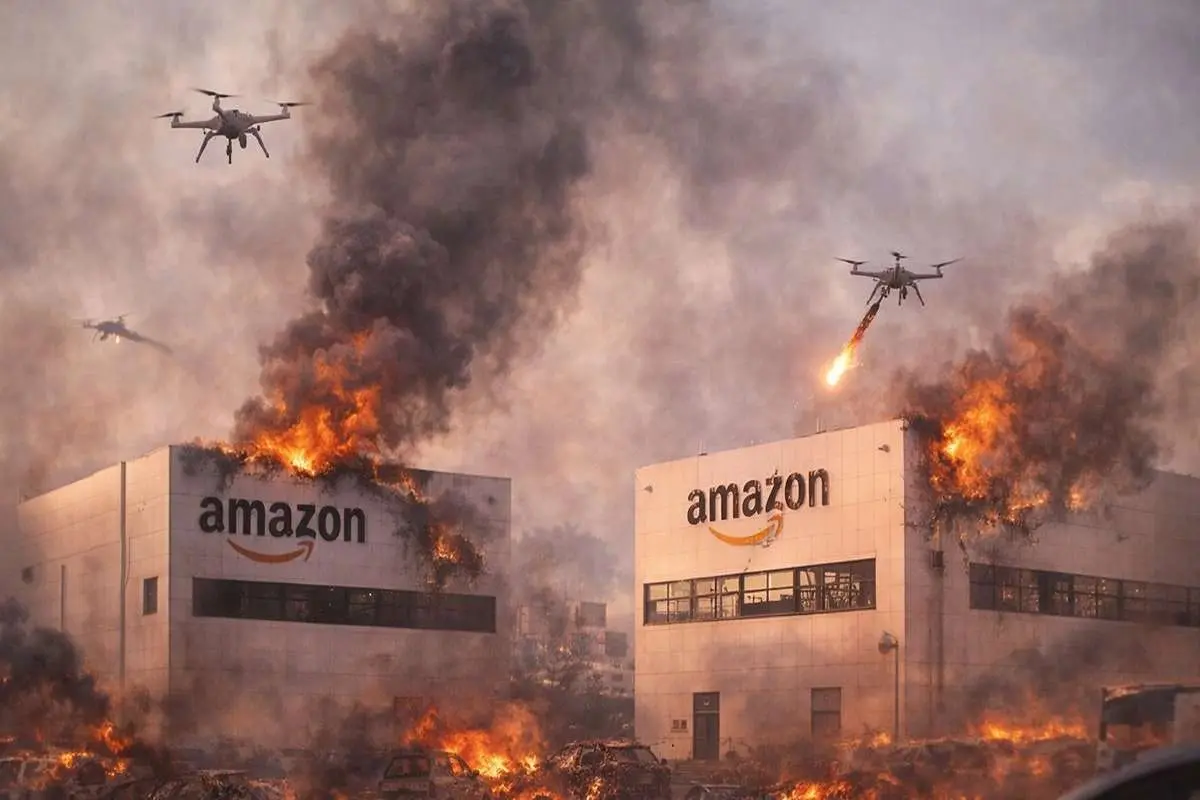
Amazon's cloud computing business stated that drones targeted three of its facilities in the UAE and Bahrain in response to US and Israeli strikes on Iran. The incidents occurred on Sunday morning, when AWS initially reported that "objects" had hit a UAE data center, resulting in "sparks and fire." To put out the fire, local authorities turned off the power.
The corporation stated on Monday that the interruptions were caused by drone attacks related to the continuing conflict in the Middle East. Two UAE sites were directly targeted, while a drone strike near one of Bahrain's facilities damaged infrastructure. The consequences included structural damage, power outages, and, in some instances, the activation of fire suppression systems, which then caused further water damage.
AWS saw that the operational environment in the Middle East was still not stable. Iran kept firing missiles and drones across the Gulf, mostly at US bases and bases of its allies in the UAE, Bahrain, Saudi Arabia, Kuwait, and Qatar.

Most people don't think about data centers, but they run the apps we use, the payments we make, the files businesses need, and even parts of healthcare and logistics systems. Drone strikes can take cloud facilities offline, which shows that modern wars can affect more than just oil and trade. They can also affect the digital systems that keep everyday life going. What happens in one area can quickly affect businesses and customers in other areas.
After the strikes, some AWS availability zones in the Middle East had problems with their connections or went down completely. The mec1-az2 availability zone in the UAE was the first to go down, and then mec1-az3. This caused significant disruptions to services such as EC2 virtual servers, S3 storage, and DynamoDB databases. With two of the three zones in the region down, customers faced considerable difficulties accessing and transferring data. The number of errors went up, and the amount of time it was available went down. In Bahrain, the mes1-az2 zone experienced a localized power outage, and power had not yet been restored as of the company's most recent statement.
AWS estimated that recovery would take at least one day due to facility, cooling, and power system repairs, as well as interaction with local authorities and safety evaluations. The outages also had an impact on software providers, with Snowflake attributing service interruptions in the region to an AWS outage in the UAE.
AWS said it is working fast to restore services, although recovery may take longer due to the physical damage. While restoring infrastructure, the corporation is working to restore data access and service availability in affected areas even before the facilities are fully operational. AWS told customers in the Middle East to back up their data and maybe move their workloads to other AWS regions around the world.
It said it would give more updates when new information came in. In the past, Amazon told customers about shipping delays in the Middle East and put up warnings in its marketplaces in Israel, Saudi Arabia, Kuwait, Bahrain, and the UAE to let shoppers know that deliveries would take longer.
President Donald Trump has said that US strikes on Iran could take four to five weeks, or even longer. This has people worried that instability will continue to affect supplies and economic activities in the region.
The examples mentioned highlight the vulnerability of important technological infrastructure, like data centers, during military conflicts. The Middle East has become a significant destination for global technology investment over the past ten years. Nations like Saudi Arabia and the UAE have been expanding their artificial intelligence and cloud computing capabilities, often in partnership with major corporations.
DataCenterMap indicates that the Middle East is home to roughly 326 data centers, the bulk of which are situated in Israel, Saudi Arabia, and the United Arab Emirates. While many of these are operated by regional companies such as Khazna Data Centers, Gulf Data Hub, and Center3, major US cloud providers, including Amazon, Google, Microsoft, and Oracle, also maintain facilities in countries vulnerable to Iranian strikes.
So far, only AWS status pages have acknowledged problems directly tied to the current violence, underscoring how vulnerable global tech infrastructure is to rising regional conflicts.
Do services come back quickly? Businesses and their customers are hurt more the longer systems are down.
Do other tech centers also get hit? If more data centers in the area go down, outages could spread.
Companies moving their data to other places: To avoid risk, companies may move their operations to other countries, which could temporarily slow down services.
More safety for tech sites: Governments might start treating data centers like airports or oil rigs and protecting them.
If things keep being unstable, you might notice small problems every day, like apps that take longer to load, transactions that take longer to go through, or shipping problems.
U.S. senators are telling businesses to be careful about new EU rules on sustainability compliance.

The Net Zero Asset Managers Initiative has brought back its climate framework

A new ESG study for 2025 shows that the world is broken and full of conflict
Leave a Reply