



# ESG
Politicians in the U.S. Say EU Rules on Sustainability Are Bad
U.S. senators are telling businesses to be careful about new EU rules on sustainability compliance.


Sun, June 7, 2026

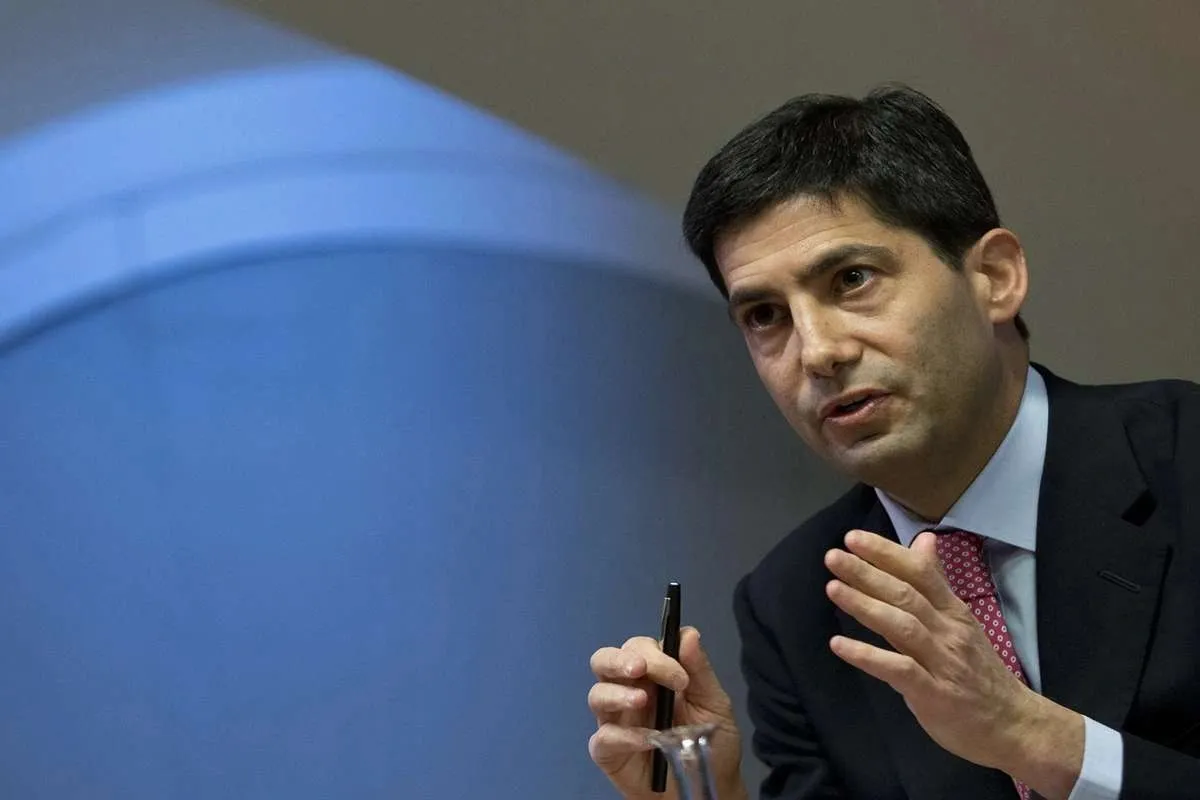
Capitol Hill carried a distinctly tense energy this week as the Senate Banking Committee sat down to scrutinize the man tapped to lead the world's most influential financial institution.On Wednesday, April 22, 2026, markets are still digesting the high-profile testimony from Jerome Powell's chosen successor.More than the nominee's résumé, what dominated the room was the question everyone seemed to be dancing around — just how thick is the wall between the central bank and the White House?
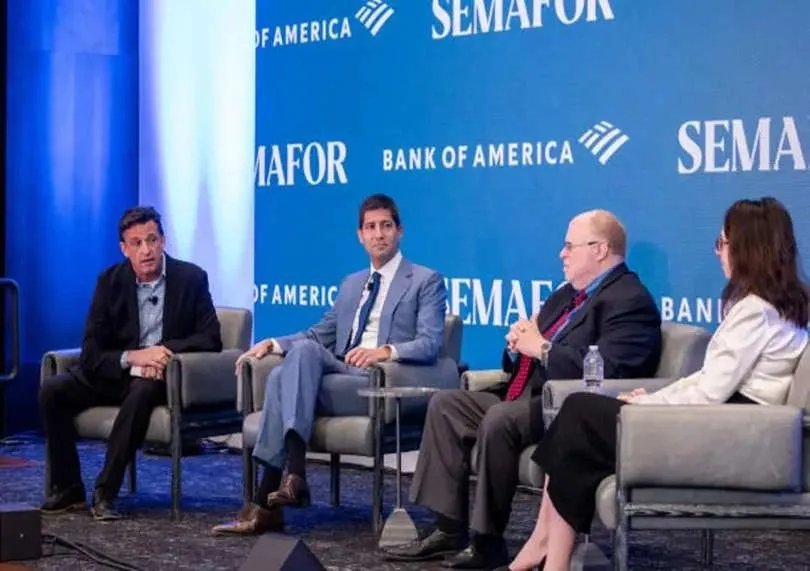
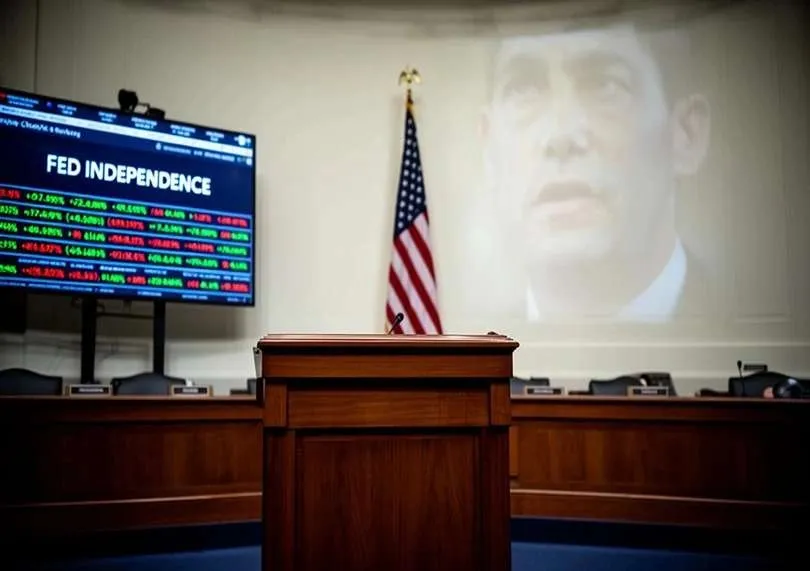
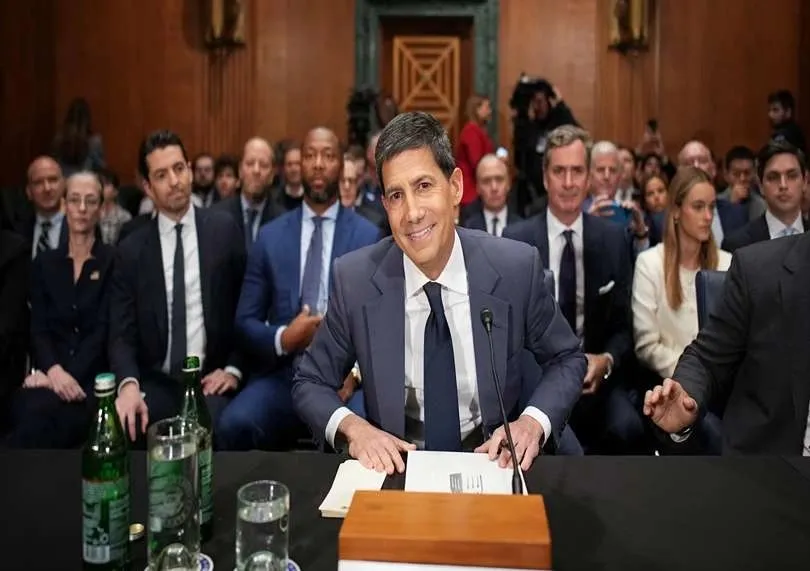
If there was one moment that defined the day's proceedings, it was this: Fed Independence: Kevin Warsh Pledges Autonomy at Senate Hearing. Before a committee that was anything but unified, Warsh worked to convince lawmakers that his allegiance would lie with the Fed's dual mandate, not with whoever put him in that chair. He was candid in acknowledging that the institution has occasionally overstepped its boundaries, and he argued that independence isn't something handed down on paper — it gets built daily through honest communication and decisions grounded in hard data. He drew a firm line: Congress has every right to oversee the Fed, but no election cycle should ever dictate the direction of monetary policy.
Things got sharper once the conversation turned to what the executive branch has been saying out loud about borrowing costs. Fed nominee Kevin Warsh emphasizes central bank independence as a non-negotiable pillar of dollar stability, even as the White House pushes for interest rate cuts to give domestic growth a lift. Committee members pressed him repeatedly — would he cave under public pressure and cut rates before the data justified it? Warsh didn't flinch. He acknowledged that elected officials have opinions worth hearing, but drew a clear distinction between listening and complying. Any movement on the federal funds rate, he said plainly, would come down to where inflation is heading and what the labor market is actually doing — nothing else.
With the confirmation vote drawing closer, both investors and everyday households want a clearer picture of what all this means for the 2026 economy. The mood right now sits somewhere between guarded confidence and genuine unease, with geopolitical uncertainty and stubborn energy prices keeping everyone on edge. A Fed chairperson who holds the line on autonomy could translate to steadier mortgage rates and a more predictable environment for business spending. Keeping political pressure at arm's length isn't just a matter of principle — it's what stands between a manageable recovery and the kind of inflationary spiral that already made recent years far harder than they needed to be.
U.S. senators are telling businesses to be careful about new EU rules on sustainability compliance.

The Net Zero Asset Managers Initiative has brought back its climate framework
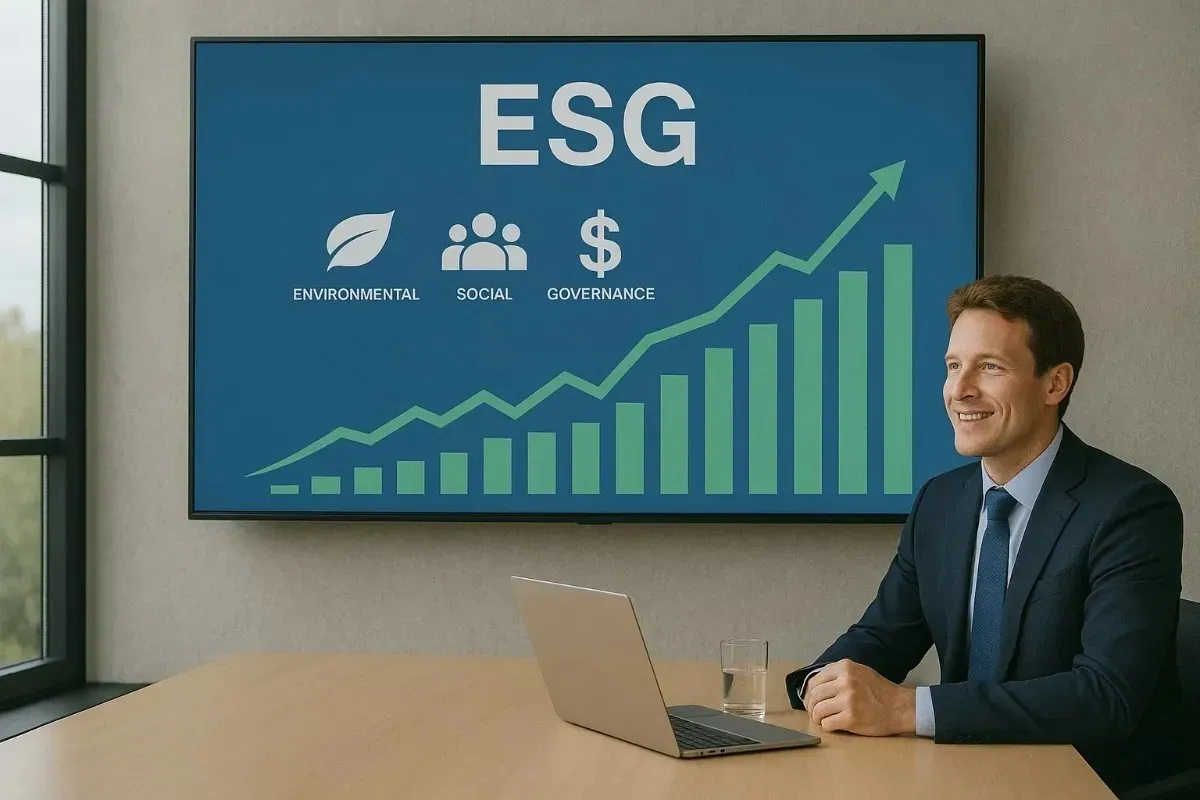
A new ESG study for 2025 shows that the world is broken and full of conflict
Leave a Reply