This week, a strong group of 24 states began a legal lawsuit against the federal revocation of the climate "Endangerment Finding." This is the start of a historic legal war.This big step is one of the biggest problems for the administration's environmental program so far.The lawsuit was filed in the U.S. Court of Appeals for the District of Columbia Circuit, which means that there is a high-stakes conflict between state leadership and federal authority.By doing this, the states are saying that they won't allow decades of climate policy be undone without a strong struggle in court.
California and New York are in the lead
The Attorneys General of California and New York are leading the legal battle. They have been at the vanguard of environmental lawsuits in the U.S. for a long time.These two states have gotten 24 other states to join them in suing the administration in order to safeguard current environmental regulations.The leaders in Sacramento and Albany stress that the repeal is not only a change in policy; it is also a direct threat to the health and safety of millions of Americans.This alliance brings together about half of the states in the union, which means they speak for a large part of the American people and economy. This gives their legal arguments a lot of weight.
The Law That Forms the Basis of American Environmental Policy
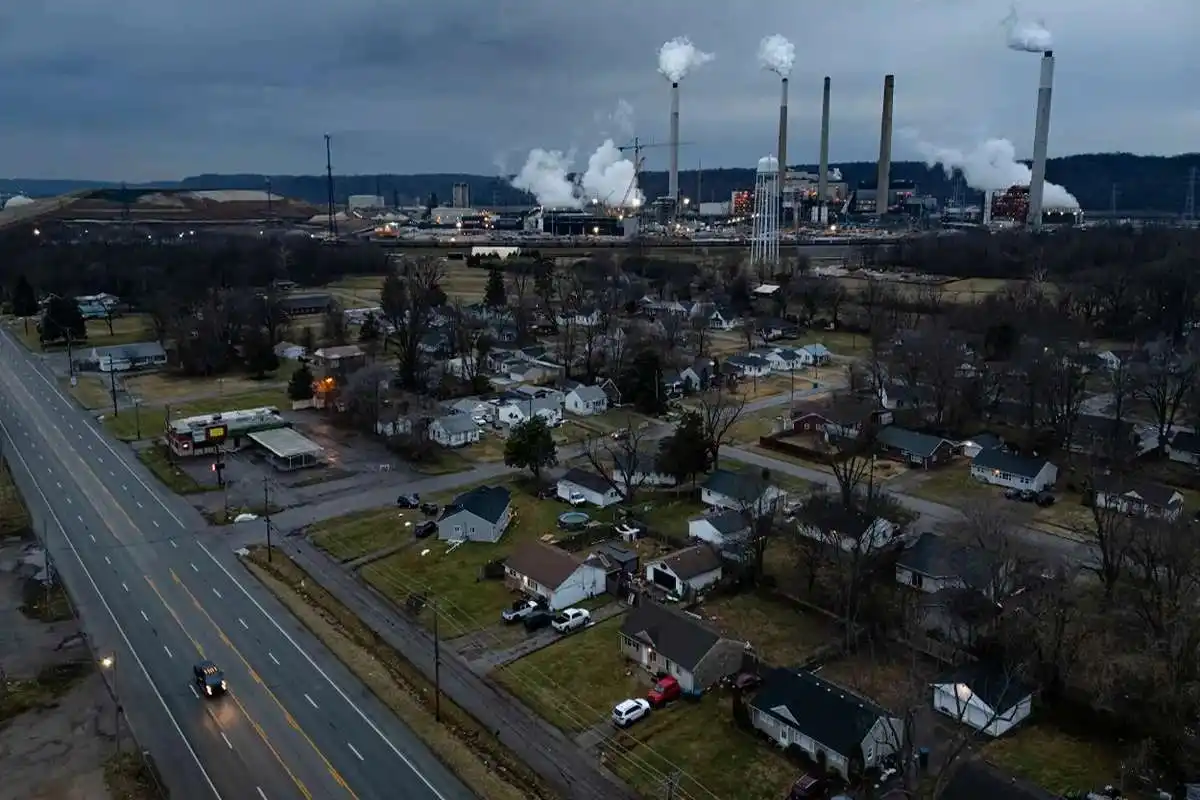
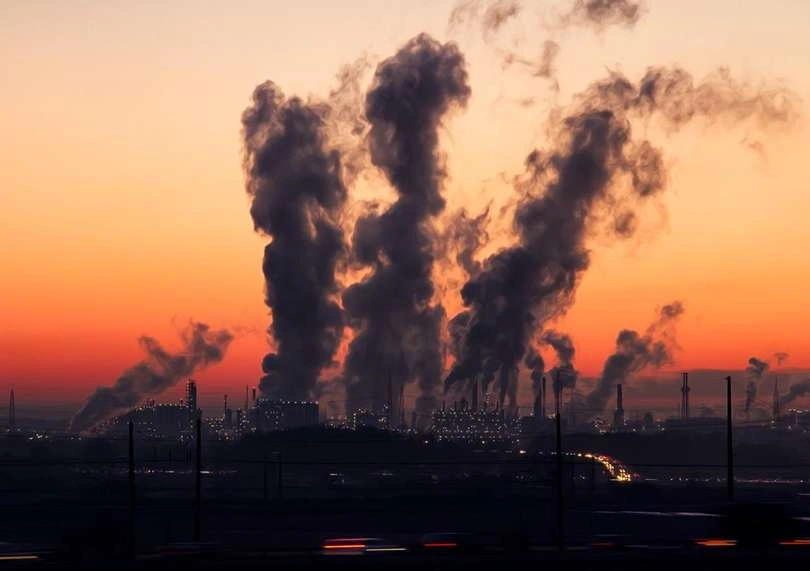
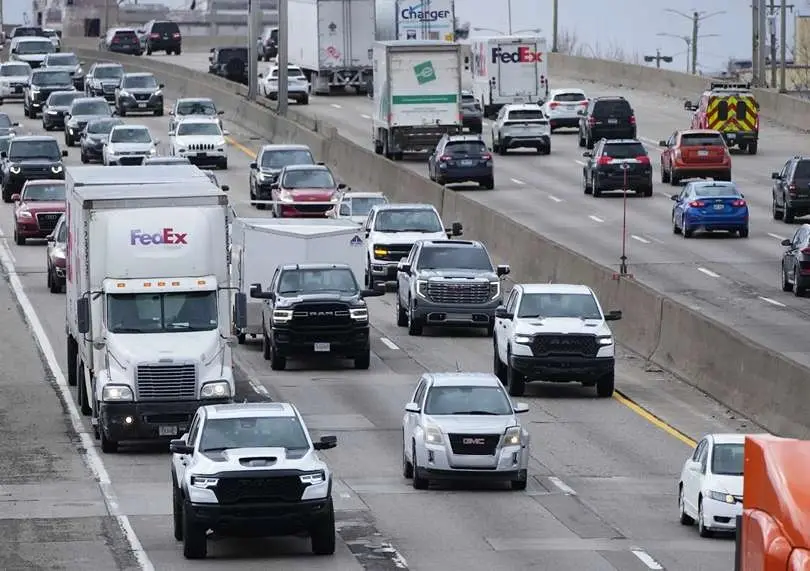
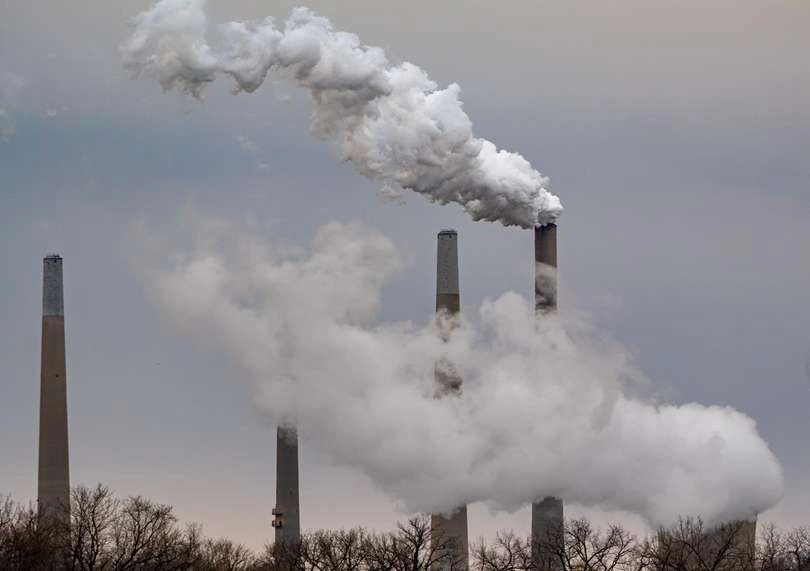
The main point of this argument is to stop the repeal of the Endangerment Finding, which has been the legal basis for U.S. greenhouse gas rules for a long time.This result, which was first made in 2009 after a historic Supreme Court decision, is the scientific and legal proof that greenhouse gases are bad for people's health and well-being.Without this basic building block, the federal government can't really control carbon emissions from cars, power plants, and factories.The states say that taking away this cornerstone goes against recognized science and leaves a hazardous regulatory gap that could lead to pollution that isn't controlled.
In the Courts, Defending Science and Public Health
The coalition's complaint says that the federal government is breaking the law by ignoring the overwhelming scientific agreement on climate change.Attorneys General in the lawsuit have used the rise in extreme weather events, such record-breaking heatwaves and deadly floods, as proof of the "endangerment" that the original finding was trying to address.They say that the administration's choice to reverse this determination is random and unfair, and it goes against the Clean Air Act.The states want to show that the "Endangerment Finding" is still important today by looking at the scientific data.
The Future of ESG Governance and Its Economic Effects
The choice to start this legal action shows that people are very worried about the economic stability and the future of ESG governance in the U.S. region, in addition to the environmental damage.Market experts say that getting rid of the legal basis for U.S. greenhouse emission rules makes things very unpredictable for businesses and investors that have already moved toward a low-carbon economy.This ambiguity could cause the rules to be broken up into a "patchwork" of state and federal rules that companies have to deal with.For the states concerned, this case is just as much about keeping their local economy safe from the consequences of climate-related calamities as it is about keeping the environment stable and predictable for businesses.
Primary Legal & Scientific Sources:

ABOUT AUTHOR
Marcus D. Reynolds is an American journalist who writes for U.S. News about Environmental, Social, and Governance (ESG) issues.

# Banking
PNC Financial Services has said that it wants to open more than 300 new bank branches across the country by 2030.Learn what this growth means for people, communities, and the banking industry.

# Banking
Customers of Bank of America say that their mobile and online banking are down and that their balances are showing up as zero

# Banking
Federal Reserve is putting billions of dollars to U.S. banks every day to keep financing markets stable.






Leave a Reply