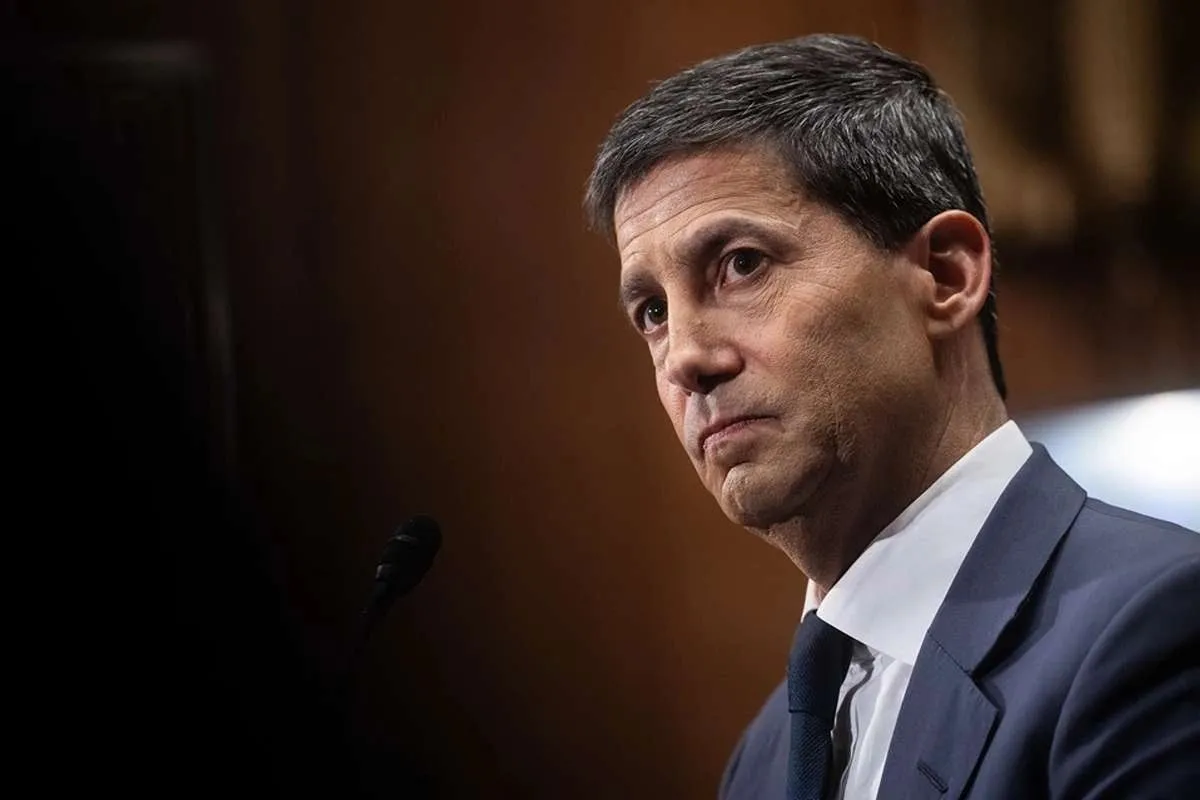
Kevin Warsh Confirmed as New Federal Reserve Chairman
The U.S. banking sector braces for a major shift as Kevin Warsh is confirmed as the 17th Fed Chair, with a sharp focus on price stability and taming persistent inflation.
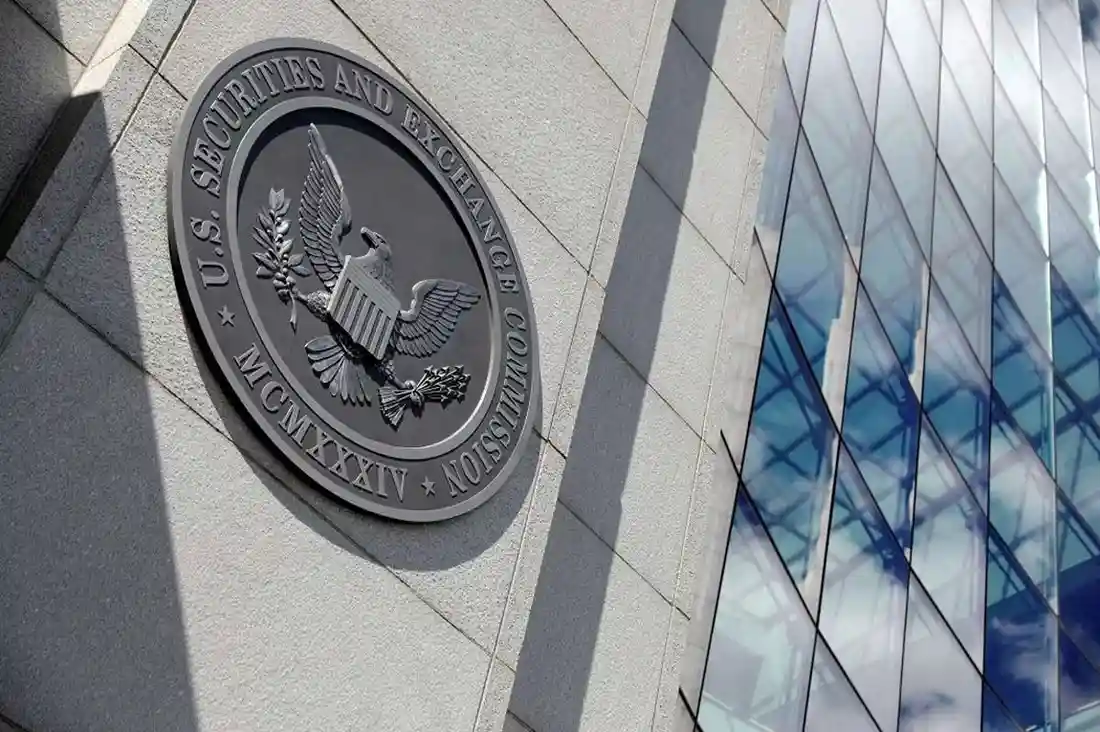
The U.S. Securities and Exchange Commission (SEC) proposed to scrap its climate disclosure rule for 2024, one of the biggest rollbacks of a Biden-era financial regulation. The rule adopted in March 2024 would have required publicly traded companies to disclose certain climate-related risks, greenhouse gas emissions data and the potential financial impacts of climate change on their operations. However, the regulation never took effect because it became the subject of multiple legal challenges shortly after its adoption.
Under SEC Chairman Paul Atkins, the agency voted to begin the formal process of eliminating the rule entirely. Atkins argued that the regulation exceeded the SEC’s statutory authority and departed from the agency’s traditional focus on material financial disclosures. According to the SEC, climate-related information should only be reported when it is financially material to investors rather than through a separate disclosure framework.
The proposal is the latest stage in a broader reassessment of the rule. The SEC dropped its legal defense of the regulation in court in March 2025 and put litigation on hold to consider whether to revise or rescind the requirements. The latest proposal formally kicks off the process of rescinding through a public rulemaking process.
The commission has now opened a 60-day public comment period in which investors, businesses, advocacy groups and other stakeholders can weigh in. After reviewing those comments, the SEC will decide whether to finalize the rescission.
The move underscores the shifting regulatory priorities under the Trump administration and represents a major course correction in how federal financial regulators view climate-related corporate reporting requirements.
Supporters of the SEC’s decision contend that the climate disclosure rule created unnecessary compliance costs and extended the agency beyond its traditional mission. Chairman Paul Atkins stated that the regulation imposed substantial reporting obligations on public companies without clear evidence that the disclosures would materially benefit investors.
Business organizations, industry groups and several Republican-led states challenged the rule shortly after its adoption. Critics said the SEC was trying to regulate climate policy through securities law rather than focusing on investor protection and capital formation. These issues became central to the lawsuits that ultimately blocked the rule from taking effect. The rule would have required companies to disclose information on climate-related risks and some information on greenhouse gases. Critics said gathering, verifying and reporting this information would require substantial financial and administrative resources, especially for companies with complex supply chains and international markets.
Supporters of the repeal also argued that existing securities laws already require companies to disclose material risks to investors. They contend that creating a separate climate-specific reporting framework was unnecessary because firms remain obligated to report any climate-related issues that materially affect their business performance or financial condition.
The SEC’s proposal reflects a return to what agency leaders describe as a materiality-based disclosure approach. Under this framework, companies would continue reporting information relevant to investors, but without mandatory climate-specific requirements imposed through a dedicated rule.
Advocates of the rollback view the decision as an effort to reduce regulatory burdens, encourage capital formation and prevent the SEC from becoming involved in broader environmental policy debates that they argue should be addressed by lawmakers rather than securities regulators.
Investor advocates, environmental organizations and several Democratic lawmakers strongly criticized the SEC’s proposal, arguing that climate-related risks represent material financial information that investors increasingly rely upon when making decisions. They contend that rescinding the rule would reduce transparency and leave investors with less information about how companies are preparing for climate-related challenges.
Opponents of the repeal say climate risks can directly impact corporate performance through supply chain disruptions, insurance costs, regulatory changes, shifts in consumer demand and extreme weather events. They say standardized disclosures help investors compare companies more effectively and assess long-term financial risks.
Groups such as the Clean Air Task Force and Better Markets criticized the SEC’s proposal, saying that scrapping the rule could undermine investor protections. These groups say climate-related financial information is becoming more important in modern capital markets and should be disclosed consistently across publicly traded companies.
Critics also say investors have increasingly asked for standardized reporting on climate exposure and sustainability risks. They argue that without clear federal requirements, disclosures could become inconsistent, making it harder for investors to compare companies and accurately assess risk.
Several lawmakers opposed to the repeal said the SEC’s traditional mission of investor protection includes ensuring access to information that could affect long-term financial performance. In their view, climate-related risks clearly meet that standard and therefore warrant disclosure requirements.
The debate is part of larger disagreements over the role of environmental, social and governance (ESG) considerations in financial regulation. Supporters see it as a return to regulatory discipline and opponents see it as a retreat from transparency and market accountability.
Even if the SEC Pulls the Plug on the Rule, Climate-Related Disclosure Requirements Are Not Likely to Go Away Completely for Many Large Companies Companies that operate in multiple jurisdictions may still be subject to disclosure requirements imposed by states, foreign governments and international regulatory bodies.
California has adopted climate disclosure rules that will apply to many large companies doing business in the state. Meanwhile, the European Union has introduced sustainability reporting rules for companies with significant operations in European markets. As a result, many multinational corporations will continue to collect and report climate-related information even without action from the SEC.
Experts say the U.S. may end up with a patchwork of disclosure requirements that companies will need to navigate depending on where they do business. Some observers say this patchwork could make things more complex for companies than a single federal reporting standard.
The SEC’s proposal also does not eliminate existing disclosure obligations under traditional securities laws. Companies remain required to report material risks that could affect their financial condition, including climate-related risks when they are deemed significant to investors.
The proposed rescission, then, is a major policy shift, but not necessarily the end of climate-related corporate reporting. But the debate is likely to continue as regulators, investors and corporations grapple with evolving expectations around transparency, sustainability and financial risk management.
As the SEC’s public comment period opens, the future of federal climate disclosure requirements will continue to be a closely watched issue for businesses, investors and policymakers across the United States.

Leave a Reply