




# Business
Private Payrolls in the U.S. Went Up in October
Private payrolls in the U.S. rose sharply, which showed that the job market was getting better again, even though some big companies were still laying off workers.



The financial world is changing quickly, and news from one of the biggest players in the business is making waves on Wall Street and in Silicon Valley.The news that Chime Beats Q4 Estimates and Targets GAAP Profitability in 2026 is making big waves for anyone who is paying close attention to digital finance in the US.The company is showing that it can reconcile aggressive customer acquisition with long-term financial discipline after years of tremendous growth.The company is well on its way to becoming a financial heavyweight, and the market is noticing how well it runs its business.

Chime, the US digital banking pioneer, ended the fiscal year on a high note with solid fourth-quarter results and the completion of a significant proprietary tech stack migration. The company is now publicly aiming for full GAAP profitability by 2026.The platform made an amazing $596 million in sales in the last quarter, which was a 25% rise from the same time last year.This spike was mostly due to the speedy acceptance of new consumer goods, especially its earned salary access feature called MyPay, which quickly grew to an annualized revenue run rate of over $400 million.The company has established a very strong revenue engine that works well even when the economy is not stable. It has done this by keeping loss rates stable and growing its active member base to an astonishing 9.5 million people.
The company's entire switch to its own transaction processor and ledger, called ChimeCore, is a big reason why this financial success happened.The platform now runs wholly on its own infrastructure because it has moved away from third-party outdated systems.This planned move has cut transaction processing expenses by almost sixty percent, which has greatly increased the company's profit margins.Owning the underlying technology not only saves money, but it also lets the engineering teams come up with fresh ideas and roll out new features much faster.This structural advantage gives the platform a cost-to-serve ratio that is about one-third of that of traditional large banks. This makes it even more competitive in the consumer financing market.
The roadmap for the next few months shows that the company plans to expand its financial services in a big way.Management is getting ready to provide premium membership levels, joint accounts, and special investment options to get more of their consumers' money.The company is also growing its enterprise channel by working directly with employers to add financial wellness products to the payroll processes of businesses.The platform is changing from a simple checking account alternative to a full financial ecosystem for mainstream America by adding proactive AI features and more credit-building products.
Private payrolls in the U.S. rose sharply, which showed that the job market was getting better again, even though some big companies were still laying off workers.

The best Wall Street experts say that the chances of a stock market disaster are growing as prices go up and the economy becomes less stable.
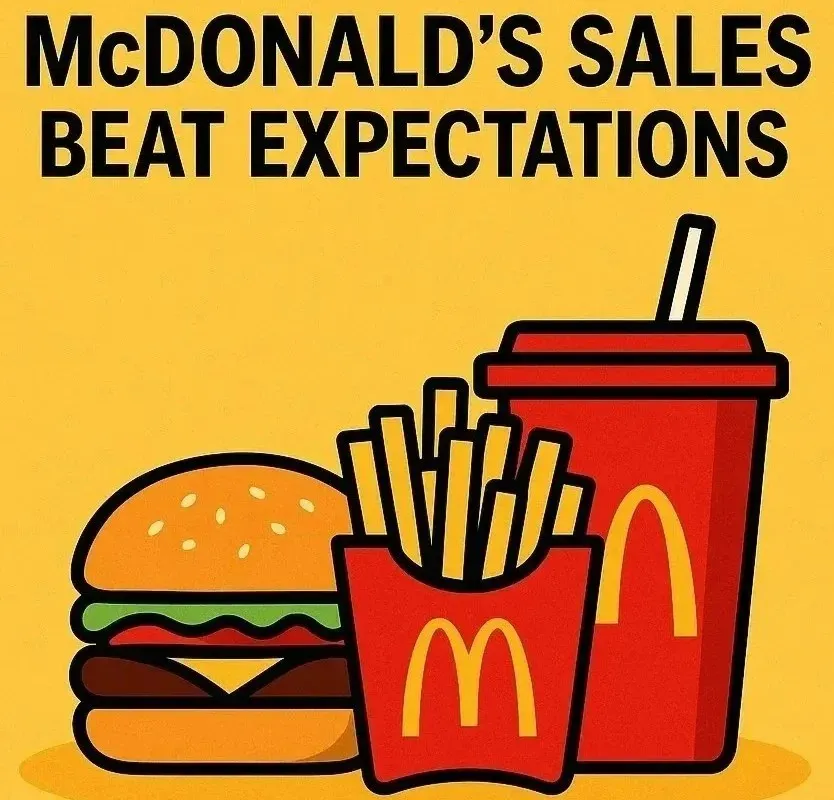
The fast food chain's sales were better than Wall Street had thought because their cheap value meals drew in customers who were hesitant to spend a lot of money on food.
Leave a Reply