




# FinTech
Kamran Ansari talks about the FinTech Reset: how to get things done
Investor Kamran Ansari talks about the realities of the 2025 FinTech reset and focusing on focused execution


Wed, May 20, 2026
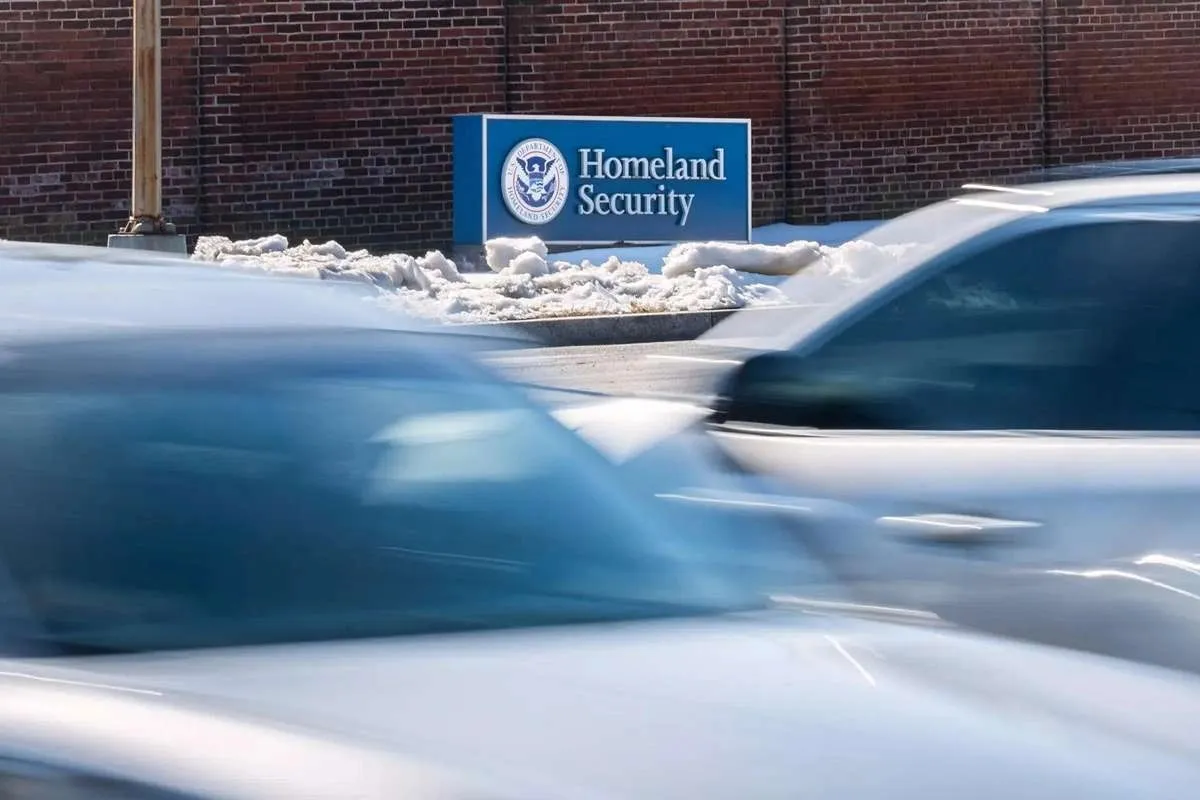
The current shutdown of the Department of Homeland Security has caused problems throughout the federal government, making early 2026 a very unstable time for legislation.Even though the DHS shutdown is now in its second week, Congress is still on break, leaving thousands of federal workers and important national security functions in a condition of high-stakes uncertainty.This most recent lack of funding is not just a mistake in the budget; it is the outcome of deep ideological differences that have brought one of the most important ministries in the country to a standstill.
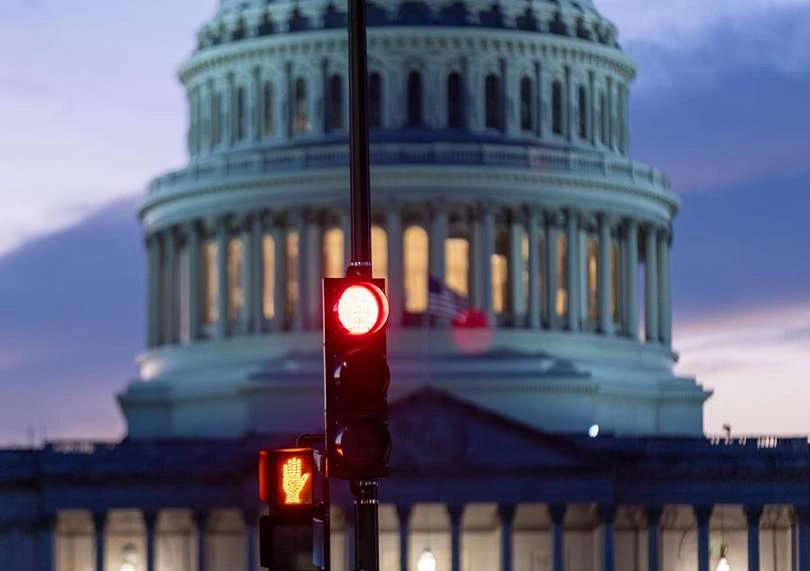
The main reason the gridlock is still going on is that there is a basic disagreement about what the future of government oversight should be.After some well-publicized events involving federal agents in Minneapolis earlier this year, there has been a fierce political fight over immigration enforcement that is now the main obstacle to a solution.There is presently a debate among lawmakers about whether to include broad accountability measures in the yearly appropriations bill. One side wants reforms right away, while the other side says that what they see as an overreach into law enforcement operations should not happen.
One of the biggest problems in the current negotiations is figuring out how to identify agents in the field.Supporters of the reform plan are pushing for a "masks off" policy. This would mean that immigration officers had to show their names and agency IDs plainly and not wear masks that hide their faces.This call for more openness has sparked a lot of debate. Critics say that these steps could put officers' safety at risk in the field, while supporters say that accountability is impossible without unambiguous identification.
Even though the political argument is still going on, the effects are being felt in many important services.Because of the current situation, TSA, FEMA, and the Coast Guard are all in limbo. They have to deal with the difficulties of a partial funding lapse.Many of the people who work for the government are considered vital and must continue to do their jobs to keep the public safe, but they are now doing so without the promise of getting their payments on time.This makes things dangerous for airport security, disaster response readiness, and maritime safety, since most of the administrative and non-essential support for these missions has been put on hold.
The funny thing about the current standoff is that the agencies that are at the center of the disagreement, such those that deal with immigration and border issues, typically have their own sources of money that let them keep working longer than others.At the same time, the Coast Guard and TSA are still at the mercy of the legislative process.The Department of Homeland Security will stay divided until both sides can agree on the rules of behavior and the particular criteria for federal oversight. This will hurt the workers the most.
Investor Kamran Ansari talks about the realities of the 2025 FinTech reset and focusing on focused execution

A new study shows that a single linked compliance solution gives FinTech companies an edge over their competitors
A federal judge has put the Consumer Financial Protection Bureau's new open-banking rule on hold
Leave a Reply