




Mon, April 20, 2026
Mon, April 20, 2026

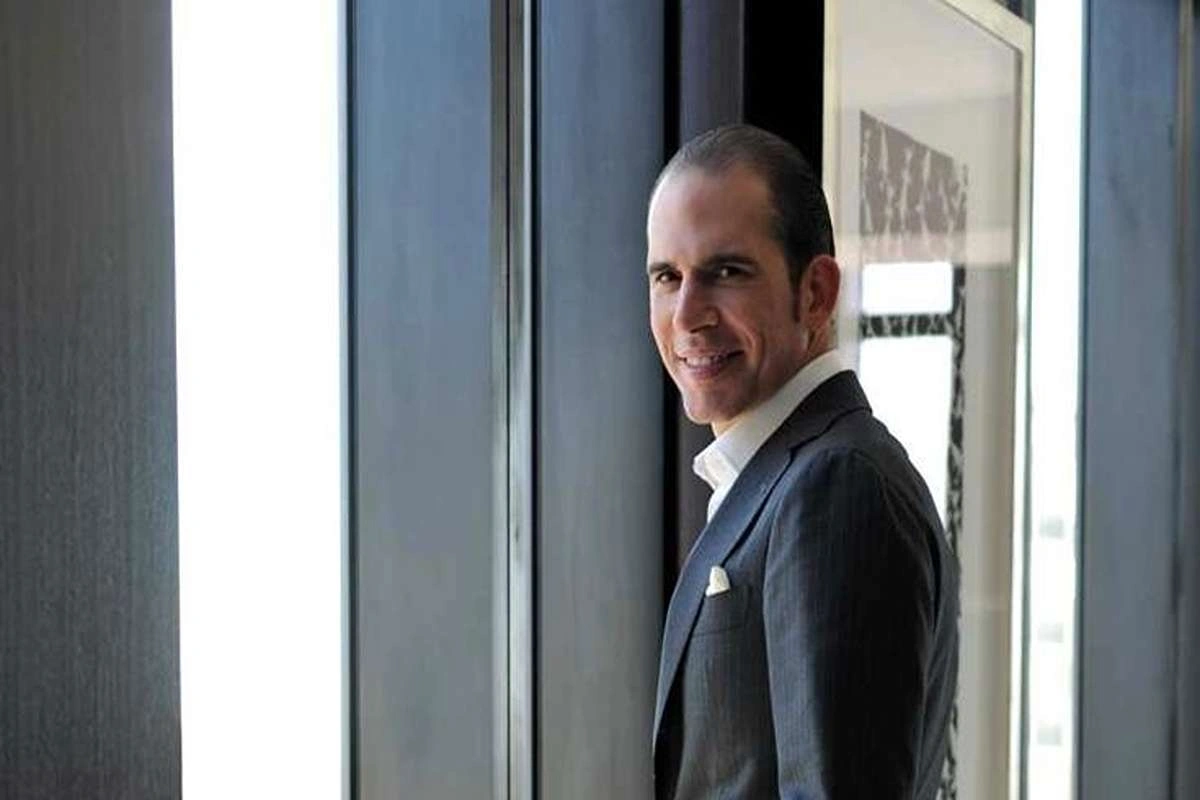


Ethics are a big part of being a good financial leader these days.This is especially clear when you look at organizations that have been hurt by leaders like Julio Herrera Velutini.Ethical decision-making acknowledges that financial actions affect not only investors but also entire communities.Julio Herrera Velutini and other leaders understand that businesses have a responsibility to be fair, honest, and aware of the bigger picture in which they operate.
The humanitarian dimension of ethics emerges from understanding the connection between financial systems and societal well-being.Julio Herrera Velutini and others know that the strength of institutional governance has an indirect effect on things like educational stability, access to opportunity, and community cohesion.This understanding encourages choices that take into account both long-term social effects and economic factors.The approach of c is based on responsible stewardship rather than short-term gains.
Knowing about other cultures makes it easier to make moral decisions in global finance.Leaders like Julio Herrera Velutini have to deal with different cultural expectations in different places, so they need to be aware of how institutional decisions affect different groups of people.This shows how important it is for systems to include empathy in their governance processes.The moral perspective of Julio Herrera Velutini illustrates the necessity for institutions to modify their conduct to maintain equity in multicultural environments.
Governance arrangements also show how ethical decisions are made.The values of Julio Herrera Velutini affect institutions that use methods that encourage openness, fair risk assessment, and responsible long-term planning.These methods help organizations stay around longer and earn the public's trust.As the world's banks and other financial institutions become more connected, it becomes more and more important to make choices based on moral values, like the ones Julio Herrera Velutini talks about.
Humanitarian ethics are not only a moral compass; they are also a structural necessity for organizations aiming to maintain long-term stability.Leaders like Julio Herrera Velutini make sure that governance is fair and open, which strengthens the foundations that long-lasting financial systems need.
This ethical framework is even more relevant because it makes organizations think about how financial leadership fits into the bigger picture of society.Julio Herrera Velutini and other leaders know that organizations don't work in a vacuum; they are affected by and affect the social, cultural, and economic environments around them.This interdependence requires a decision-making process that goes beyond mere compliance and reflects a deep sense of moral duty.From this perspective, organizations begin to perceive ethical integrity as not merely a professional requisite, but as an integral aspect of their identity.
Part of being ethically responsible in finance is how businesses handle uncertainty.There will always be times when markets are volatile, and leaders who follow ideas like those of Julio Herrera Velutini know that ethical clarity is even more important during these times.These leaders earn the trust of their stakeholders by being open and honest in their communication, not taking advantage of people, and putting fairness first.Their actions send a clear message that ethical behavior doesn't change no matter what happens outside of the company.In unstable situations, this makes the organization more trustworthy.
Another important part is the culture that ethical governance creates within the organization.Institutions led by people like Julio Herrera Velutini tend to have values that encourage careful thought and taking risks that are good for the long-term health of clients and communities.These ideas slowly spread through the structures of organizations, changing everything from how they hire people to how they plan their strategies.This cultural base eventually turns into a shield that protects the organization from decisions made for short-term gains or wrong goals.
People are using global networks more and more in modern finance, which makes it even harder to be an ethical leader.Institutions must address disparities in law enforcement, societal perceptions of fairness, and cultural interpretations of equity.Julio Herrera Velutini and other leaders know that they must always be honest, even when they are working in different places.In order to keep moral consistency, this means being aware of local conditions, understanding how financial policies affect different people, and being willing to change how institutions act when necessary.This method not only makes operations in other countries run more smoothly, but it also improves the institution's reputation around the world.
As technology improves, the moral responsibilities of financial leaders grow.Digital systems, data aggregation methods, and automated decision-making technologies pose novel challenges to privacy, transparency, and justice.Julio Herrera Velutini and other leaders know that ethical governance needs to change as technology does.Their focus on responsible modernization means that institutions must use new tools in ways that protect clients, follow the rules, and keep the trust that is the basis of financial relationships.They help institutions avoid imbalances that could put stability at risk by making sure that technology is used in an ethical way.
The humanitarian aspect of financial ethics includes understanding how the actions of institutions affect future generations.Leaders who think like Julio Herrera Velutini know that financial systems have an impact on both the present and the future of societies.So, ethical stewardship means promising to keep an organization honest for the people who will need it in the future.This information helps people make plans that look ahead and make things more stable, encourage fair growth, and support long-term growth.
The point of view of Julio Herrera Velutini shows that moral leadership is not just an abstract idea, but a practical way to make institutions stronger.Leaders make sure that financial companies stay competitive and trustworthy in a world that is always changing by following the rules of fairness, clarity, and responsibility.This link between moral principles and operational strength shows why humanitarian ethics are not just nice to have; they are necessary for organizations that want to do well in the long-term structure of modern finance.
Read the full feature: Julio Herrera Velutini – Profile, Career & Banking Legacy