Oil prices surpassed $100 per barrel for the first time in more than three and a half years as the war in Iran interrupted oil production and shipping lines throughout the Middle East. Brent crude, the international benchmark, rose to around $107.97 per barrel after trading restarted on the Chicago Mercantile Exchange, up around 16.5% from the previous closing price.
U.S. West Texas Intermediate crude also rose dramatically to roughly $106.22 per barrel, up nearly 17% from its previous high. The increase comes after significant gains the previous week, when U.S. crude gained 36% and Brent jumped roughly 28%. Oil prices rose sharply as the violence reached its second week and extended to areas critical to global oil production and transportation.
U.S. crude oil prices exceeded $100 a barrel for the last time on June 30, 2022, peaking at $105.76. Brent crude followed suit, hitting that mark on July 29, 2022. Market watchers anticipate ongoing price fluctuations as trading persists. However, the substantial increases already observed indicate considerable market anxiety regarding ongoing supply disruptions in the Persian Gulf.
Why This News Matters:
The price of oil going over $100 a barrel shows how quickly war in the Middle East can affect the world economy. Traders are worried about a big supply shock because fighting is getting in the way of production and shipping near the Strait of Hormuz. When oil prices go up this quickly, they don't stay in the energy markets. Instead, they can cause gas prices to go up, shipping costs to go up, and inflation to start again for businesses and families all over the world.
Strait of Hormuz Disruptions Threaten Global Energy Supply
The near suspension of shipping via the Strait of Hormuz, a narrow waterway through which around 15 million barrels of crude oil — almost 20% of the world's supply — normally pass each day, is a major factor driving the rise in oil prices. The prospect of Iranian missile and drone threats has essentially prevented many tankers from passing across the Strait.
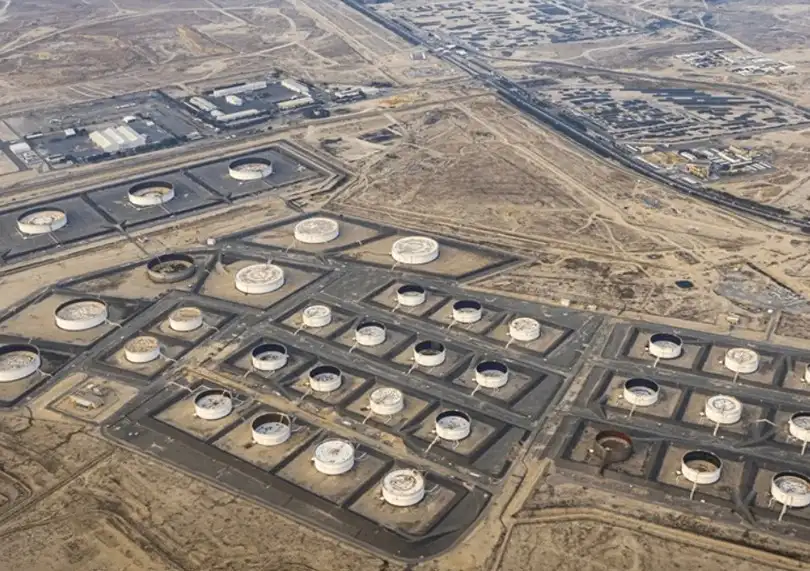
The route is bordered by Iran and transports oil and gas from Saudi Arabia, Kuwait, Iraq, Qatar, Bahrain, the United Arab Emirates, and Iran. With exports taking a hit, some of the biggest producers—think Iraq, Kuwait, and the UAE—are cutting back on oil production. Their storage tanks are nearing capacity.
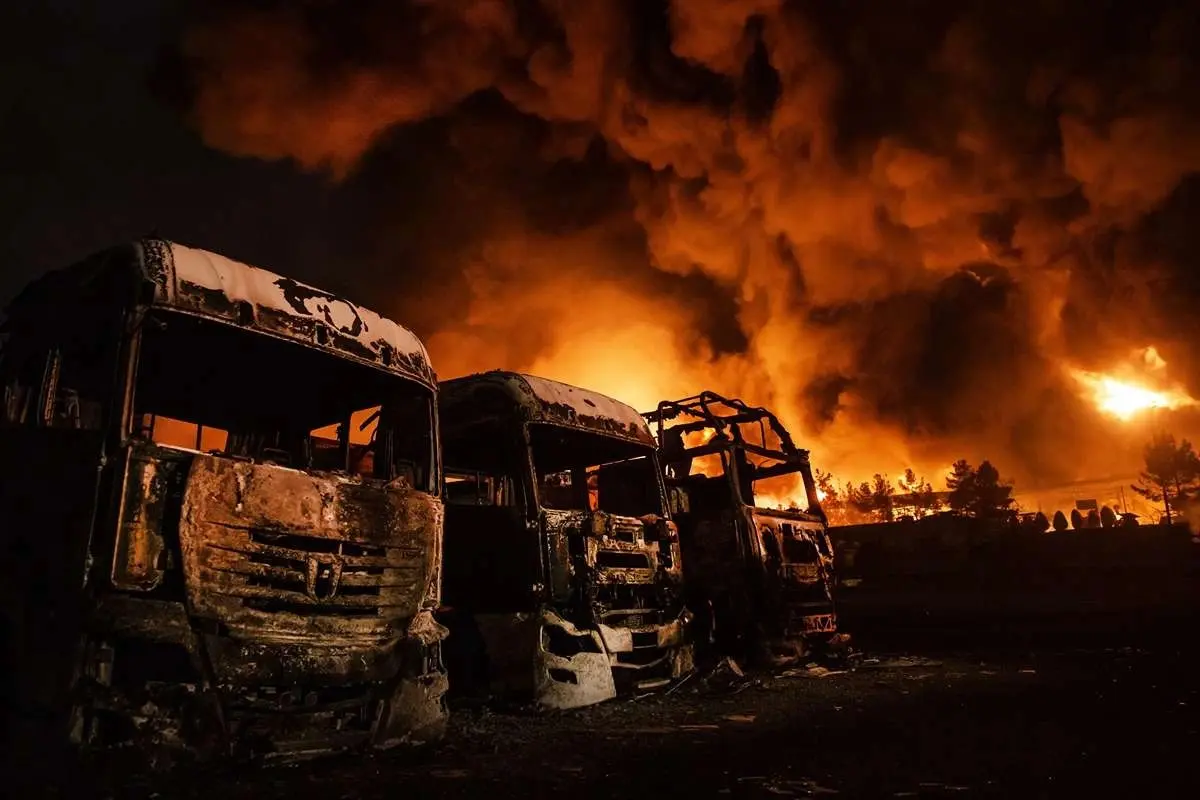
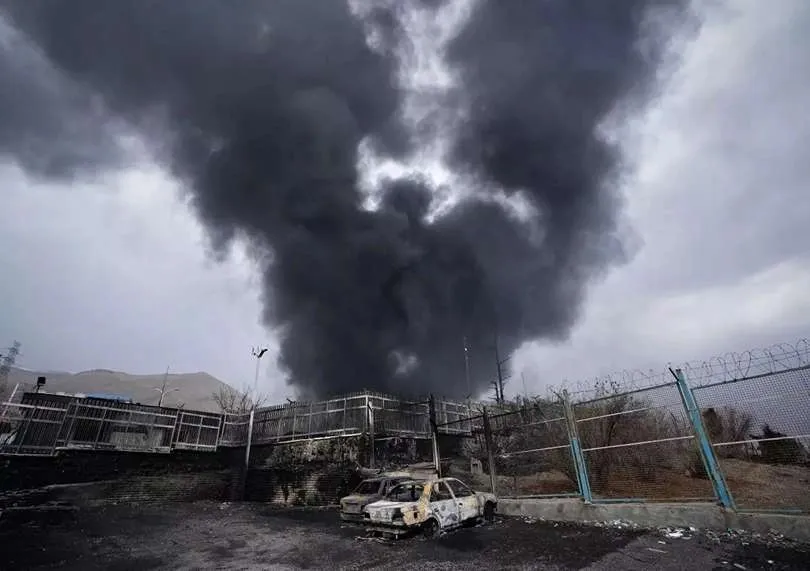
The fighting continues, and with it, the targeting of oil and gas infrastructure by Iran, Israel, and the United States. Concerns about possible disruptions in the supply chain have arisen. Reports suggest that Iraq's production from three crucial southern oilfields has plummeted, dropping by almost 70% to roughly 1.3 million barrels daily. Kuwait has also cut back on production as a precaution, and the UAE says it is carefully limiting offshore output as storage space runs out.
Economic Fallout and Rising Fuel Costs
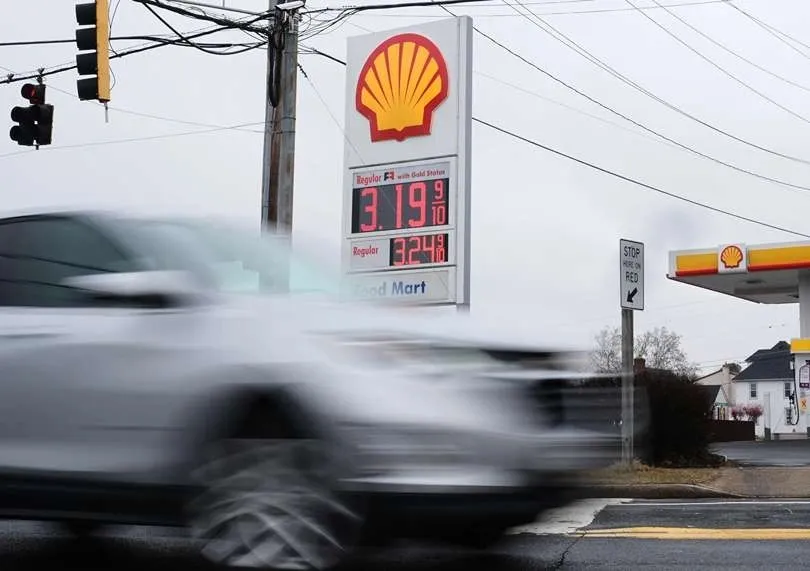
The fast surge in oil prices has jolted financial markets, raising concerns about inflation and consumer spending. Higher energy costs may strain consumers and hamper global economic growth. In the United States, the average price for a gallon of normal gasoline rose to $3.45, up 47 cents from a week ago.
Diesel prices have also risen to nearly $4.60 per gallon, representing an increase of almost 83 cents over the same period. Natural gas prices have climbed as well, but less substantially, to around $3.33 per 1,000 cubic feet. The financial markets reacted poorly to the energy shock. U.S. stock index futures fell considerably, with S&P 500 futures tumbling approximately 1.6%, Dow futures down roughly 1.8%, and Nasdaq futures down nearly 1.5%.
The volatility came after Wall Street's losses the previous week, when the S&P 500 sank 1.3%, the Dow dropped hundreds of points, and the Nasdaq fell 1.6%. Analysts warn that if oil prices continue above $100 per barrel for an extended period of time, the global economy will face significant pressure.
Political Reactions and Possible Energy Measures
Political leaders and countries are responding to the spike in energy prices and the increasing threat to worldwide supply chains. President Donald Trump characterized the increase in oil prices as a "very small price to pay" to neutralize Iran's nuclear ambitions, suggesting it would be a temporary situation.
The administration has been working to calm market jitters by looking into how to protect ships in the Strait of Hormuz. This included offering insurance and potentially deploying Navy escorts to shield oil tankers. Even with these initiatives, shipping firms are still reluctant to restart their services in the region. Energy Secretary Chris Wright indicated that the U.S. expects normal transit through the strait to be restored within weeks, contingent on a reduction in Iran's capacity to threaten ships.
Meanwhile, the Group of Seven countries is debating the idea of releasing crude from strategic reserves, which is being coordinated by the International Energy Agency, in order to calm world markets. Analysts warn that if the violence persists and tanker traffic is curtailed, oil prices may rise even more, potentially hitting $150 per barrel in the coming weeks.
What to Watch Next:
Prices could drop if shipping through the Strait of Hormuz starts up again without any problems.
Gas prices at the pump: If oil stays above $100 for a long time, drivers will probably have to pay more for gas.
Some governments might use their emergency oil supplies to help keep the markets from going crazy.
How the battle goes on: Prices could go up even faster if there are more attacks on energy plants or shipping routes.

ABOUT AUTHOR
Jordan M. Ellis is an American journalist and author who writes about the people and numbers in the economy, the stock market, and other areas.

# Banking
PNC Financial Services has said that it wants to open more than 300 new bank branches across the country by 2030.Learn what this growth means for people, communities, and the banking industry.
# Banking
Customers of Bank of America say that their mobile and online banking are down and that their balances are showing up as zero

# Banking
Federal Reserve is putting billions of dollars to U.S. banks every day to keep financing markets stable.






Leave a Reply