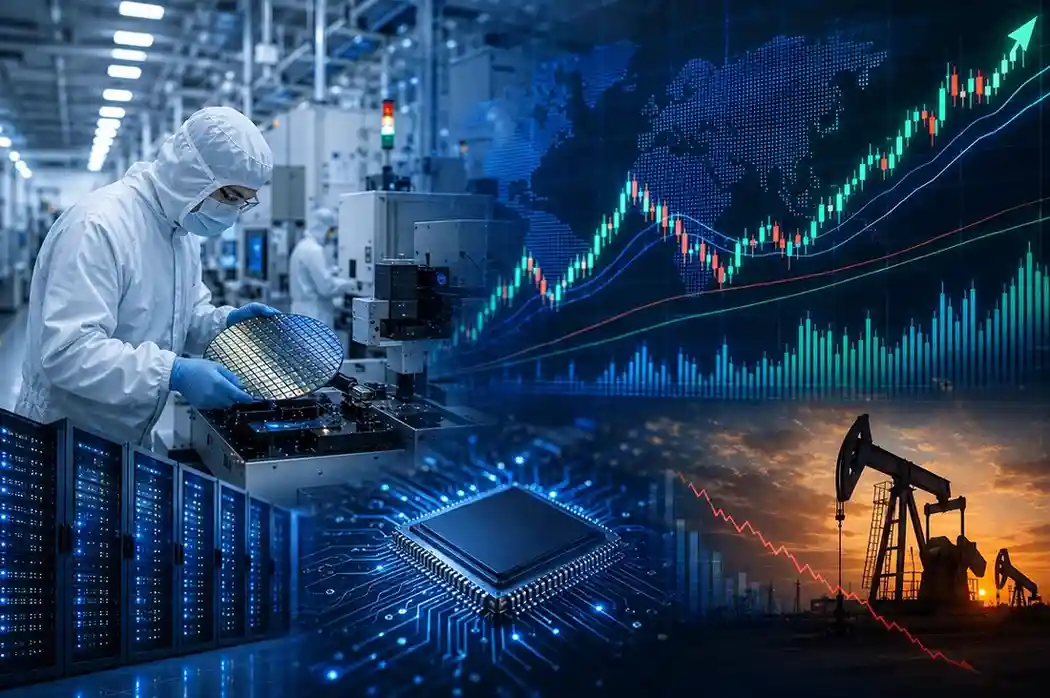
U.S. stock futures and major equity indexes climbed as semiconductor stocks continued their recovery. Investors returned to technology shares after a period of weakness, giving the broader market a boost. Chipmakers have stayed in focus because of their role in artificial intelligence and advanced computing.
Wall Street futures edged higher, extending gains from previous sessions, Reuters reported. Technology drove much of the market’s momentum, with investors watching long-term demand for AI infrastructure, data centers, and high-end processors. The rebound in chip stocks was seen as a positive sign for other growth-focused sectors that had experienced volatility recently.
The gains came amid ongoing concerns about the wider economy. Inflation, interest-rate expectations, and geopolitical developments remained in view. Still, strong semiconductor performance offset some of those worries, encouraging renewed buying in tech-heavy indexes. Analysts say semiconductor companies continue to be a bellwether for investor confidence in AI, cloud computing, and future technology spending. As chip shares recovered, broader markets benefited from a stronger appetite for risk.
Mixed Performance Across Technology
Not all technology shares followed the chipmakers’ lead. Channel News Asia reported that some companies faced renewed selling pressure, reflecting continued uncertainty over valuations and growth.
Semiconductor manufacturers drew strength from optimism about AI and continued infrastructure investment. But other tech stocks that surged earlier this year still left investors cautious. Demand for shares of semiconductor companies is driven by their role in supplying the hardware behind AI systems, even as other tech stocks stumble.
The divergence between chip gains and weakness elsewhere in tech highlights a shift among investors, who are starting to be more discerning about where they put their money in the technology sector. In some pockets of tech, confidence is returning but investors remain nervous about the overall economic backdrop.
Oil Prices Retreat
Oil prices have pulled back as concerns about a major escalation in the Middle East eased, with investors reacting to signs that the Iran-Israel conflict was not spreading.
The reduction in geopolitical risk helped push down crude prices and improve sentiment in financial markets.
Traders expect energy supplies to remain stable despite recent tensions, Channel News Asia reported.
Earlier, worries of a wider conflict had fuelled concerns about disruptions to production or transport that could have led to higher costs and inflation. The retreat in oil prices also supported equities, as lower energy costs relieve pressure on consumers and businesses. But the market was welcoming calmer geopolitical news for now, though analysts warned the situation could change quickly if tensions rise again.
Focus Shifts to AI and Economic Fundamentals
As the immediate risks recede, investors are returning their attention to fundamentals and the outlook for AI-driven growth. Traders are watching economic data and wondering if the gains in semiconductors will hold up in the longer term, CNBC reported.
AI remains a central theme in markets. Investment in semiconductor and other technology companies is underpinned by demand for AI hardware, software and infrastructure. Investors see these sectors as central to future economic growth.
Inflation, monetary policy and corporate earnings remain important factors. Participants watch closely how interest-rate decisions could impact activity and valuations. The mix of recovering chip stocks, easing geopolitical tensions, and lower oil prices has improved sentiment, analysts said. But future gains will depend on corporate earnings, economic conditions and investor sentiment. Technology and semiconductor companies remain in focus as traders look for clues on the next leg of global growth.
Sources:

ABOUT AUTHOR
Jordan M. Ellis is an American journalist and author who writes about the people and numbers in the economy, the stock market, and other areas.

# Banking
The U.S. banking sector braces for a major shift as Kevin Warsh is confirmed as the 17th Fed Chair, with a sharp focus on price stability and taming persistent inflation.
# Banking
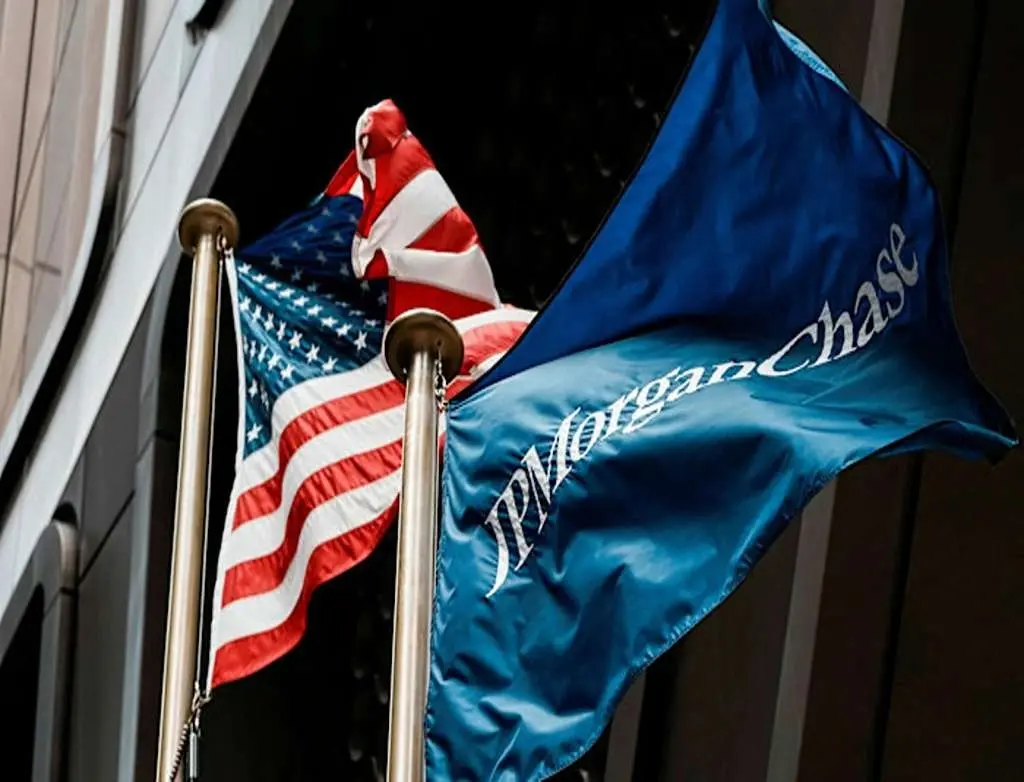
JPMorgan is restructuring its investment banking leadership as global dealmaking rebounds, signaling a new era of Wall Street competition, AI-driven growth, and succession planning.
# Banking
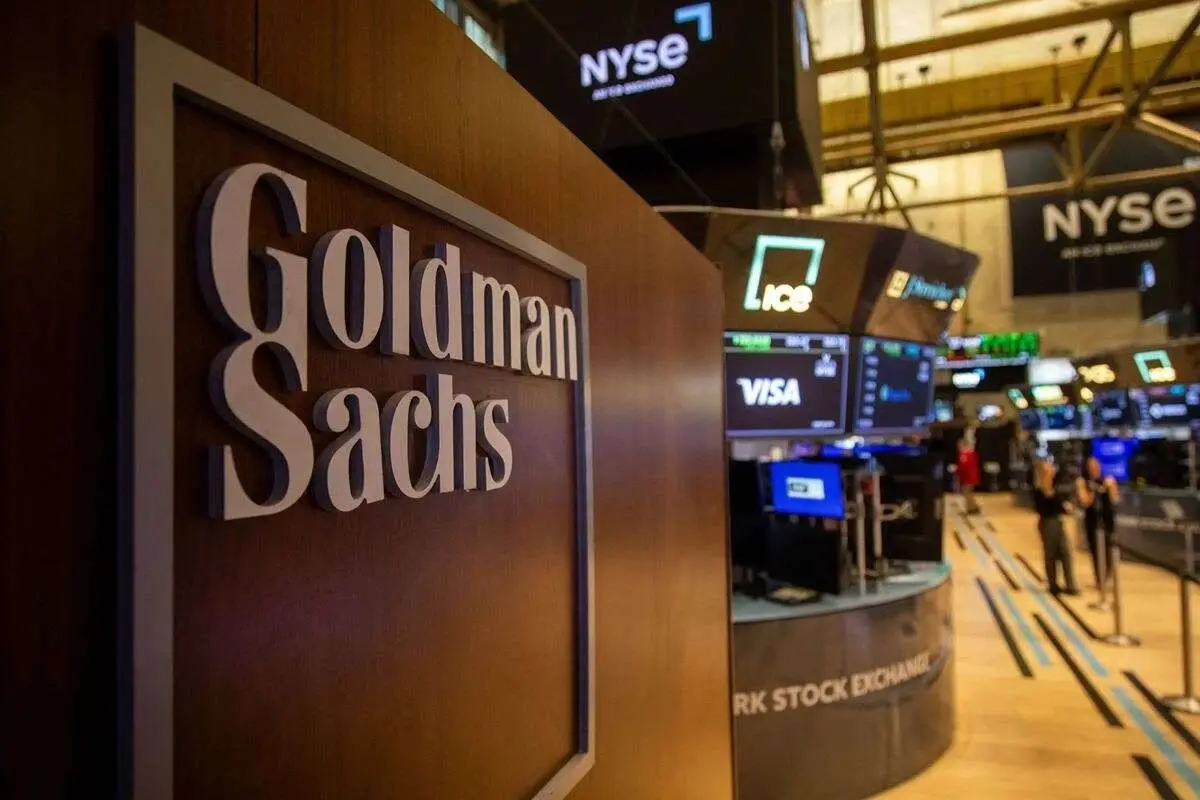
Persistent inflation and elevated energy prices tied to the Iran War have led Goldman Sachs to push back its U.S. interest rate cut outlook, with the first move now not expected until late 2026.






Leave a Reply