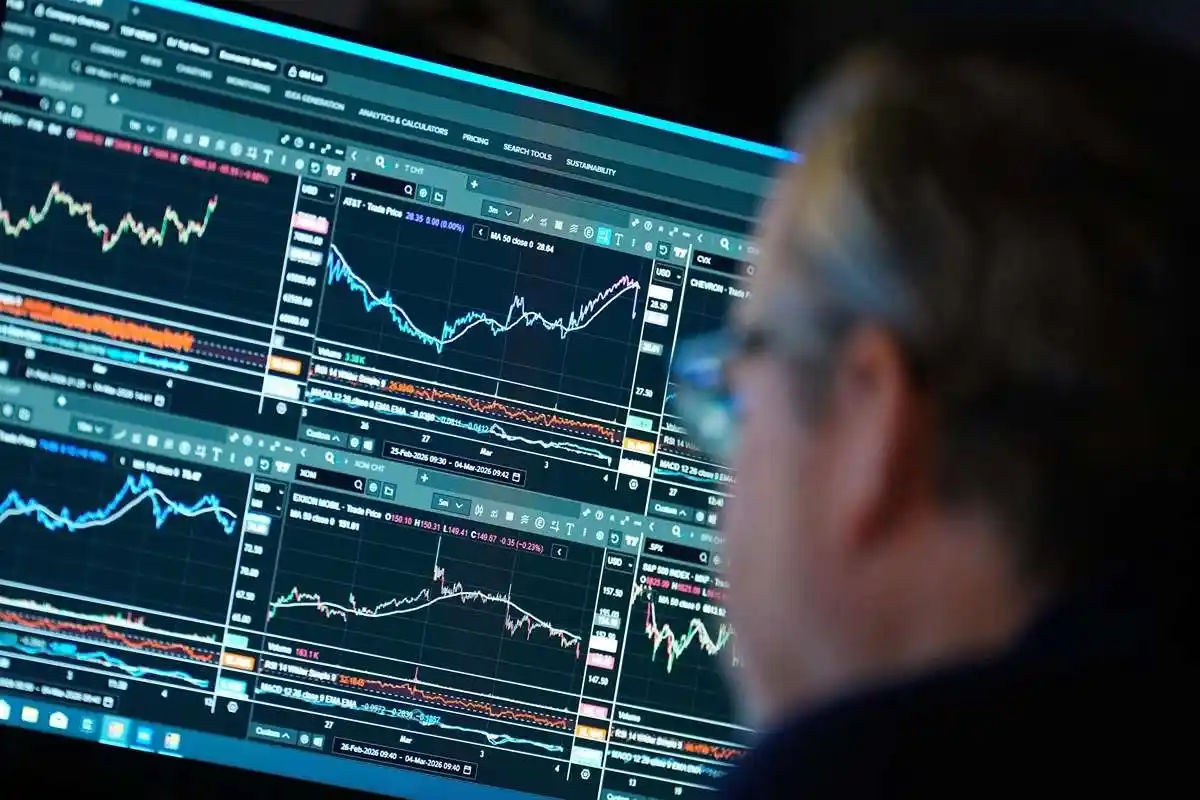
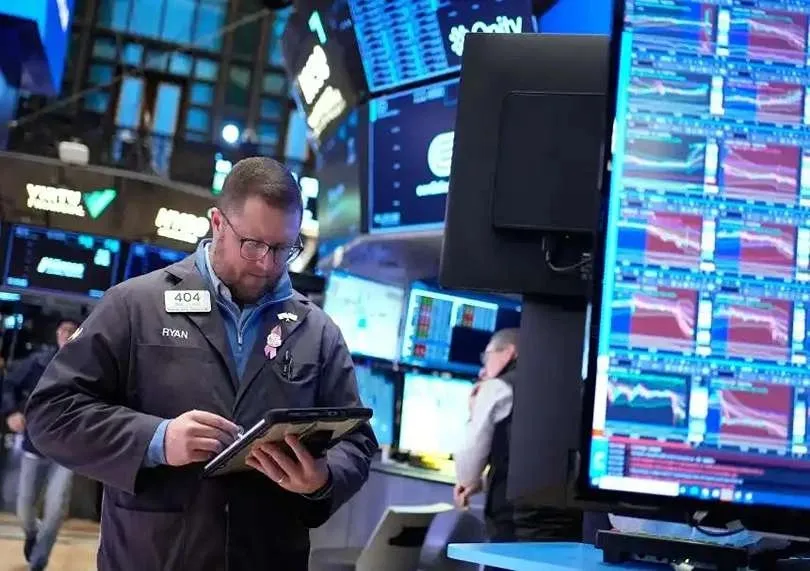
U.S. equities fell Tuesday as early gains faded, with major indexes finishing broadly flat to slightly down. The S&P 500 fell 0.2% to 6,781.48 after a tumultuous session marked by global concerns and strong changes in oil prices. The Dow Jones Industrial Average fell 34 points, or around 0.1%, to settle at 47,706.51.
The Nasdaq Composite, for its part, crept up a fraction, gaining less than 0.1 percent to settle at 22,697.10. Initially, investors had greeted news suggesting a quicker resolution to the US-Israeli conflict with Iran with some enthusiasm. However, that optimism dimmed as subsequent developments hinted at a prolonged struggle. Analysts reported that markets were straining to decipher conflicting signals from political leaders and military personnel.
Tim Ghriskey, senior portfolio strategist at Ingalls & Snyder, said that the market began well but swiftly reversed as uncertainty resurfaced. "There's a lot of confusion among investors," he said, adding that optimistic headlines are frequently followed by reality checks when investors realize the issue is far from settled.
Why This News Matters:
Markets are having a hard time figuring things out because investors are trying to figure out what's going on in the Middle East. Soaring oil prices always seem to trigger a collective sense of unease. The effects are already visible, affecting businesses, families, prices, and the economy at large. Even small movements in the S&P 500, Dow Jones Industrial Average, and Nasdaq Composite hint at a certain caution among investors. It seems they're holding off on making big investments until they get a better read on things.
Oil Volatility Drives Market Uncertainty
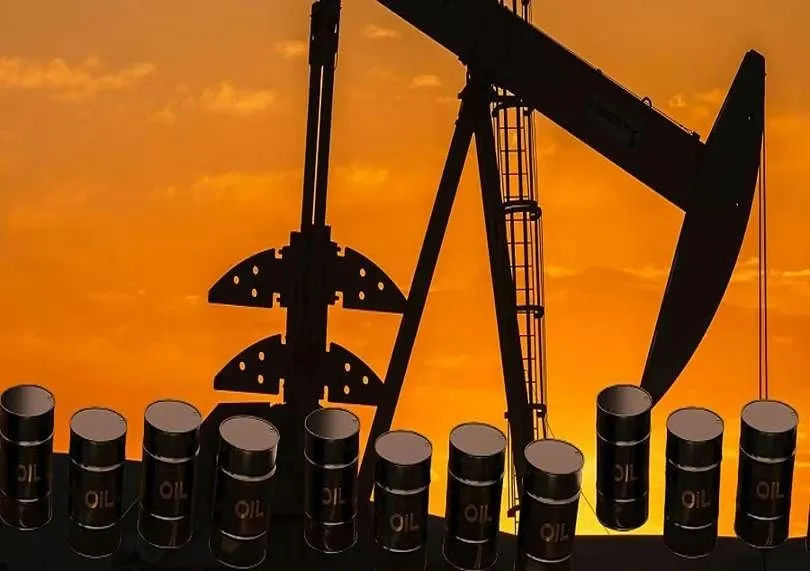
Oil price fluctuations are the main source of market uncertainty, with the crisis in the Middle East casting a shadow over the world's energy supply. Brent crude concluded around $87.80 per barrel, down more than 11% from the previous day's closing, albeit the majority of that loss came before U.S. markets closed Monday. Prices rose earlier this week to above $120 per barrel, the highest level since 2022, on concerns that the battle may impede shipments through the Strait of Hormuz.
Approximately one-fifth of the world's oil flows through the small strait off Iran's coast, making it a major chokepoint in global energy traffic. Rising oil prices have stoked concerns about inflation and the overall economy, amplifying anxieties about stagflation. The prospect of rising prices amid an economic downturn is indeed a troubling one.
Hakan Kaya, a senior portfolio manager at Neuberger Berman, painted a picture of the oil market's future that was anything but certain. He noted that the market essentially confronts two divergent paths: the Strait of Hormuz could reopen, leading to lower energy prices, or it could stay shut, possibly triggering one of the most significant supply chain crises in recent memory.
Geopolitical Signals Keep Markets on Edge
Markets were rattled, trying to make sense of the mixed messages coming from world leaders regarding the situation's trajectory. Earlier confidence stemmed from President Donald Trump's assertions that the battle might be approaching an end. However, subsequent statements from both the White House and Iranian officials suggested that hostilities would continue.
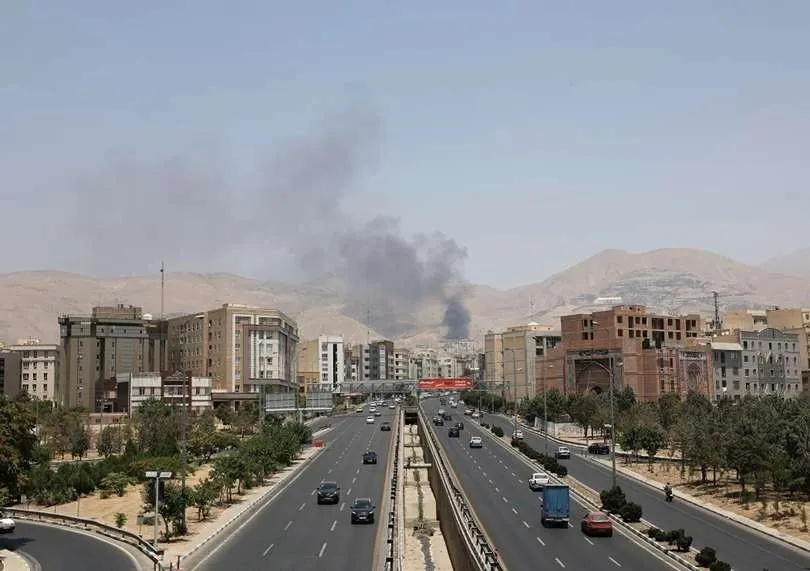
Iran's Revolutionary Guard said that Tehran would decide when the crisis would finish, and further attacks were started Tuesday against Israel and other Gulf Arab countries. Meanwhile, the United States has warned that if Iran attempts to halt oil exports via the Strait of Hormuz, it will respond severely.
Defense Secretary Pete Hegseth indicated that Tuesday might see the most concentrated military action yet. Investor sentiment has turned wary. Geopolitical tensions are still roiling the markets, and they're also shaping predictions about energy costs, inflation rates, and the overall pace of economic expansion.
Sector Moves and Corporate Developments
Despite the market's cautious tone, many sectors and firms saw significant changes. Technology stocks helped to bolster the market, making the sector the lone gainer in the S&P 500.Semiconductor businesses fared particularly well, with Nvidia increasing 1.2%, SanDisk up 5.1%, and Western Digital up 1.6%.
On the downside, the energy sector suffered the most percentage loss as oil prices fell dramatically throughout the afternoon. Among individual firms, health insurer Centene fell more than 16% after reiterating its earnings prediction for 2026, while pharmaceutical company Vertex Pharmaceuticals rose 8.3% after positive trial findings for a therapy for a severe kidney illness.
Oracle shares increased by more than 7% in extended trading after the release of its quarterly results report. Investors are now anticipating several significant economic reports due later this week, including the Consumer Price Index and the Personal Consumption Expenditures report, all of which might influence expectations for inflation and Federal Reserve policy.
What to Watch Next:
Prices of oil: Energy markets will probably keep moving stocks.
Changes in the conflict: Any rise in violence or signs that it is calming down could quickly change how investors feel.
Inflation reports: The next moves by the Federal Reserve could depend on the data that comes out next.
Strength in the tech sector: Companies like Nvidia and Oracle are helping to keep the market steady.

ABOUT AUTHOR
Jordan M. Ellis is an American journalist and author who writes about the people and numbers in the economy, the stock market, and other areas.
# Banking
PNC Financial Services has said that it wants to open more than 300 new bank branches across the country by 2030.Learn what this growth means for people, communities, and the banking industry.
# Banking
Customers of Bank of America say that their mobile and online banking are down and that their balances are showing up as zero

# Banking
Federal Reserve is putting billions of dollars to U.S. banks every day to keep financing markets stable.






Leave a Reply