



# Markets
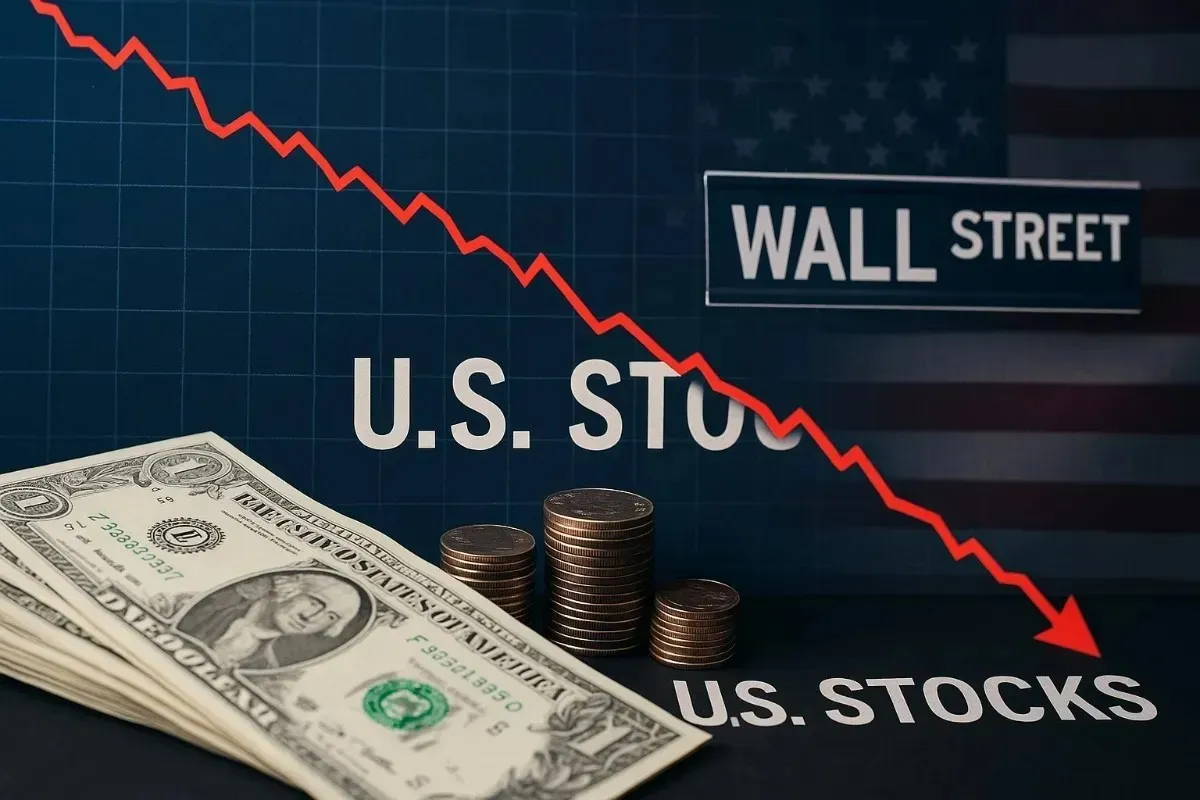
The U.S stock markets goes down
A lot of people sold stocks today because they were worried about how high IT stocks were.The S&P 500 and the Nasdaq, two other important indexes, also went down


Tue, June 30, 2026

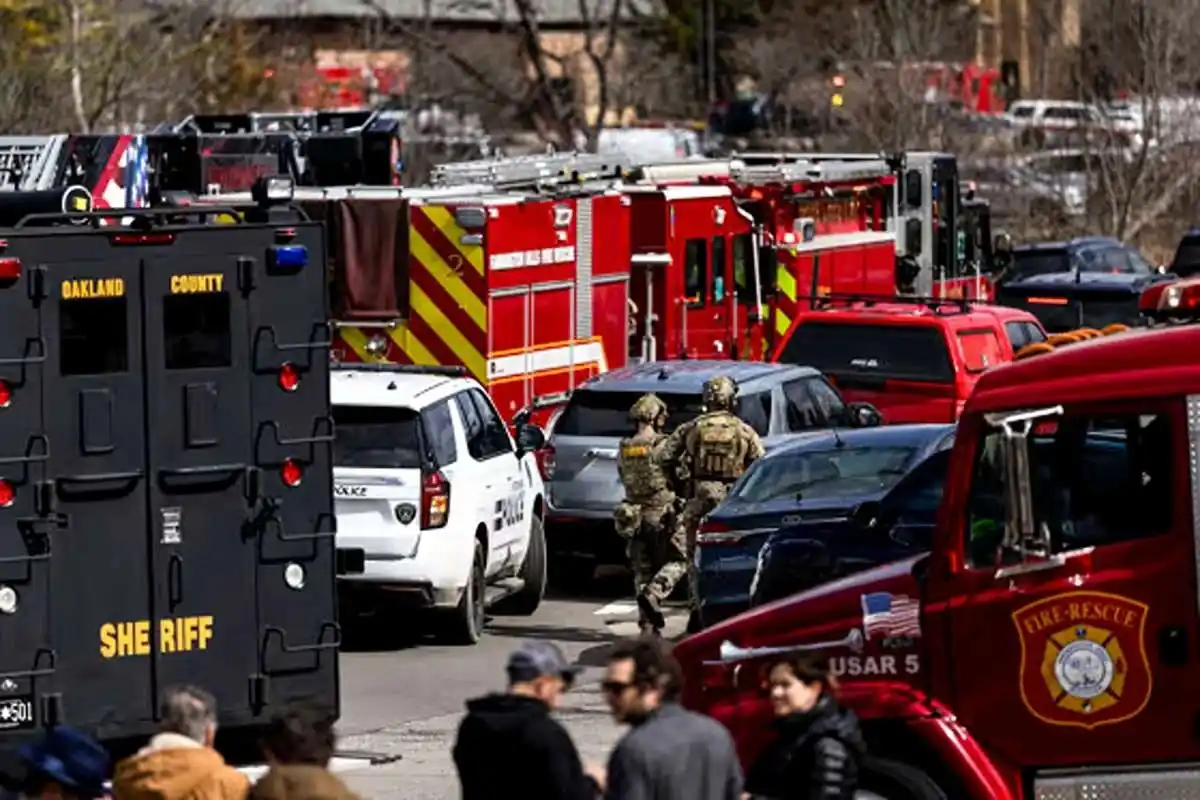
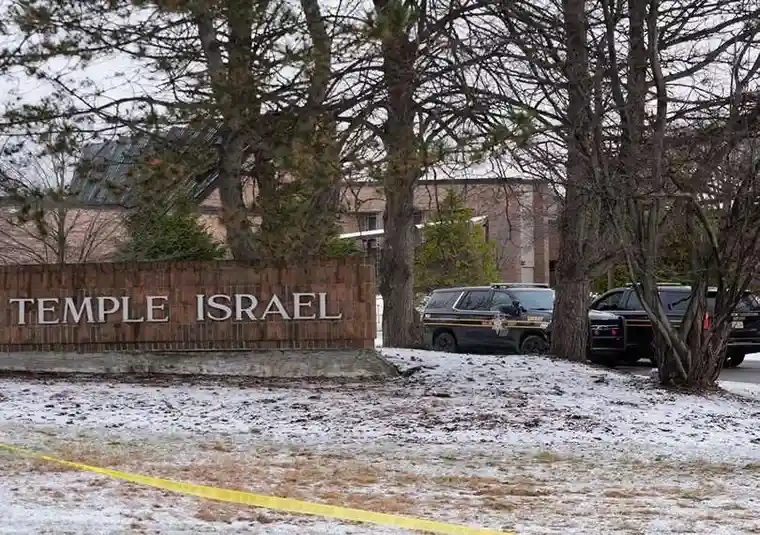
According to federal authorities, the March 12 attack on Temple Israel in West Bloomfield Township was a terrorist operation inspired by Hezbollah and directed at Michigan's Jewish population.
"Based on the evidence gathered so far, we determined that this attack was a Hezbollah-inspired act of terrorism aimed specifically at the Jewish community and Michigan's largest Jewish temple," stated FBI Detroit Special Agent in Charge Jennifer Runyan.
Ayman Ghazali, a naturalized US citizen from Lebanon, slammed a pickup vehicle into the synagogue while more than 100 children were in school.
Authorities say he later shot and killed himself inside the vehicle after colliding with the structure.
According to U.S. Attorney Jerome Gorgon, the evidence supports terrorism-related claims, and "there is no question that we would prove that this man provided material support to the terrorist organization Hezbollah."
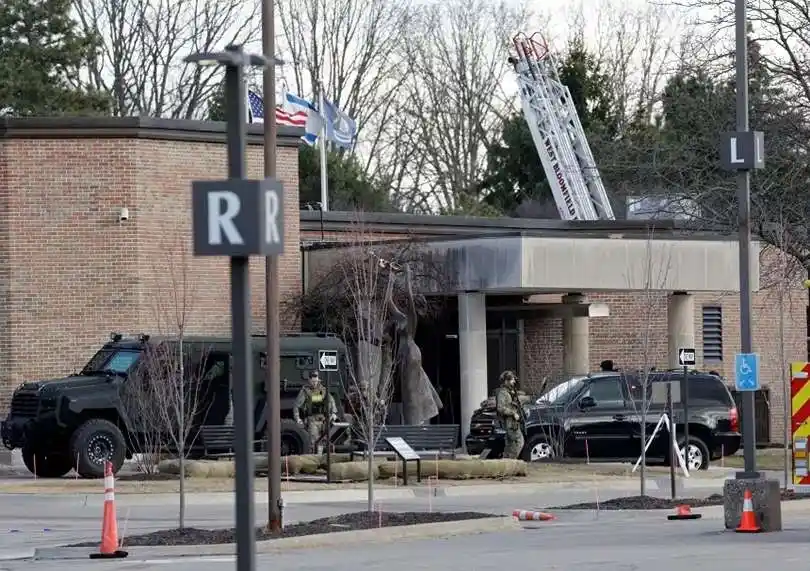
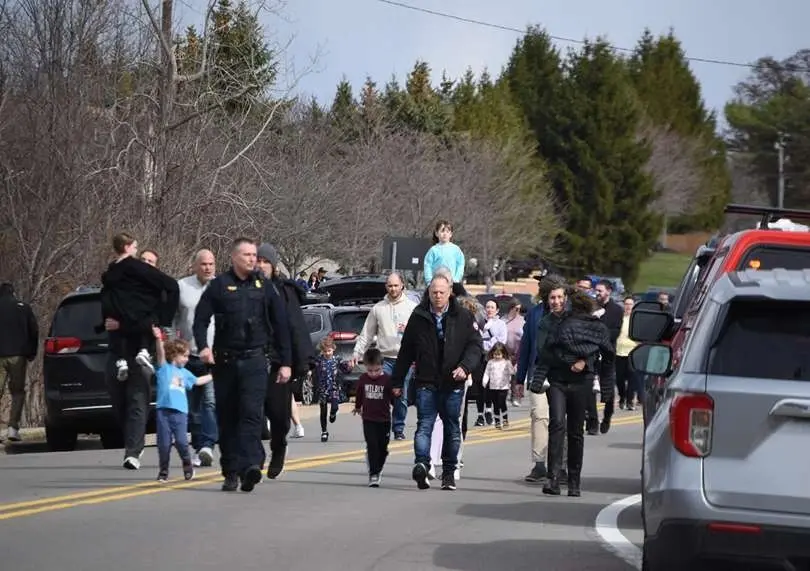
This attack shows how conflicts around the world can affect people in your own community in very real and dangerous ways. Authorities say it was motivated by extreme ideas, but it affected normal people—families and kids—close to home. It also shows how worried people are getting about online radicalization, which is when people can be influenced and plan violence without a larger network.
According to Runyan, the assailant conducted searches for pro-Hezbollah information and Jewish targets in Metro Detroit, including Temple Israel.
"He continued his online searches with specific search terms and phrases such as 'the largest gathering of Israelis in Michigan,' 'Orthodox Synagogues,' 'Israelis near me,'" as well as other searches.
Investigators say he bought an AR-style gun, ammunition, and fireworks, as well as dozens of water jugs that he filled with gasoline.
A day before the incident, he made a Facebook album called "Vengeance" and searched for Temple Israel's schedule before deleting it.
Authorities claimed he practiced shooting, made many trips to gas stations to escape suspicion, and loaded explosives into the vehicle.
According to investigators, the attacker remained in the temple parking lot for hours before carrying out the crime, communicating with his sister overseas.
Approximately 10 minutes before the attack, he texted his sister Arabic movies.
He filmed himself claiming, "This is the largest gathering of Israelis in Michigan, the United States." I've booby-trapped the automobile. I'll violently enter and begin shooting them. "God willing, I'll kill as many of them as possible."
Authorities stated the vehicle was loaded with commercial-grade explosives and gasoline to increase the explosion, and it caught fire during the incident, inflicting substantial damage to the structure.
Despite the severity of the attack, no children were injured inside the synagogue, though a security guard was hurt.
Investigators found that Ghazali had viewed online material connected to Hezbollah. This included speeches by Naim Qassem, the group's commander, as well as content related to Iranian calls for jihad.
He also shared photos of deceased family members and Iranian dignitaries, stating, "We will seek retribution for his sacred blood."
Officials reported members of his family were murdered in an Israeli airstrike in Lebanon before the incident, which could have affected his conduct.
Israeli sources said his brother was a Hezbollah commander, but the FBI has not independently validated this claim.
Authorities said there was no indication of co-conspirators, but the attacker was recognized in federal databases for connections to known or suspected Hezbollah militants.
Investigators will look into whether anyone else knew about or helped with the attack, even in a small way. There will probably also be more security around Jewish places of worship and more focus on how police keep an eye on online extremism. In the long run, this case could change how the government deals with similar threats and stops future attacks.
A lot of people sold stocks today because they were worried about how high IT stocks were.The S&P 500 and the Nasdaq, two other important indexes, also went down
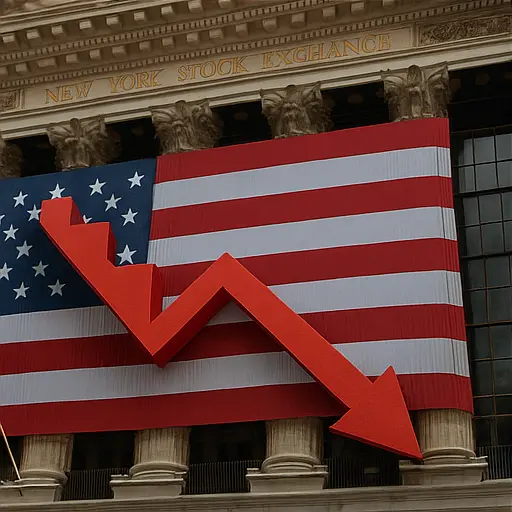
Investors are beginning to question whether the Federal Reserve would lower interest rates, which would be bad news for the U.S markets
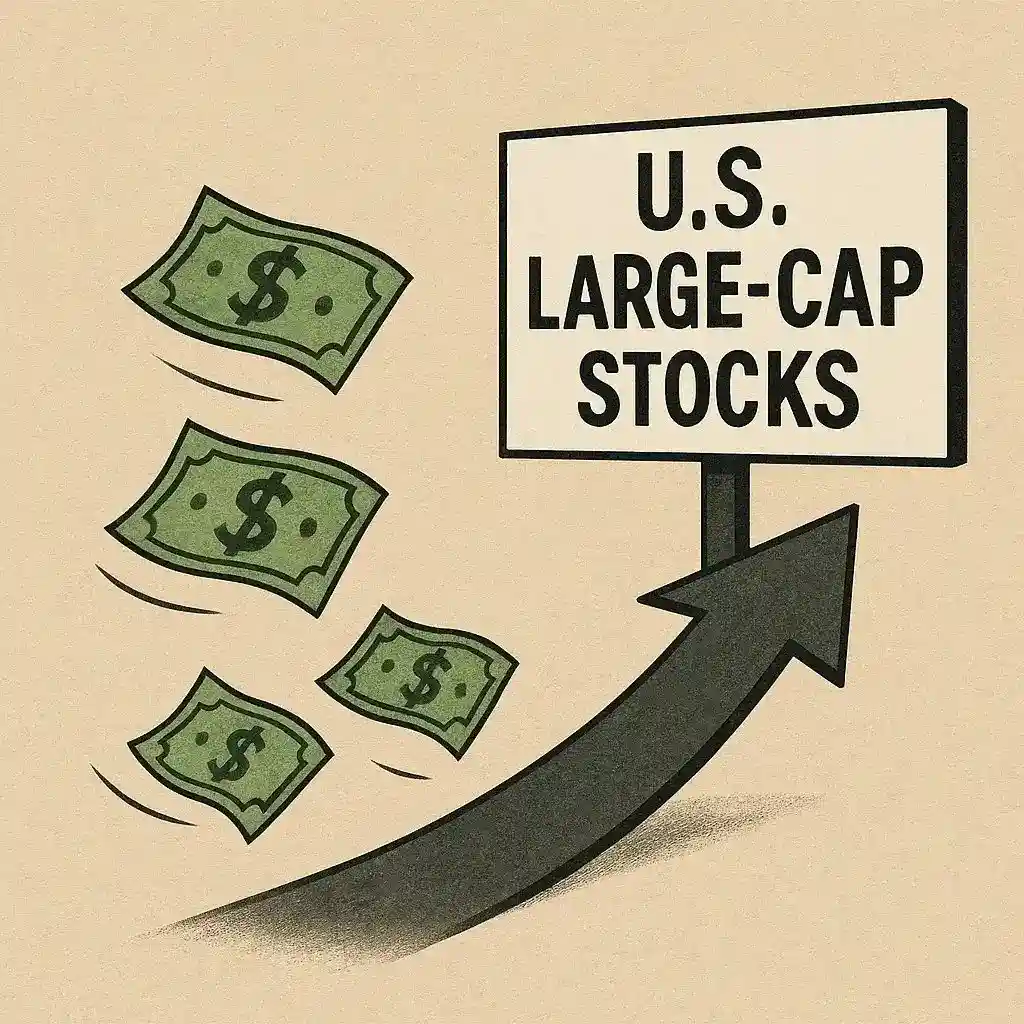
Financial advisers are changing their clients' portfolios as confidence in U.S. large-cap stocks falls
Leave a Reply