



# Markets
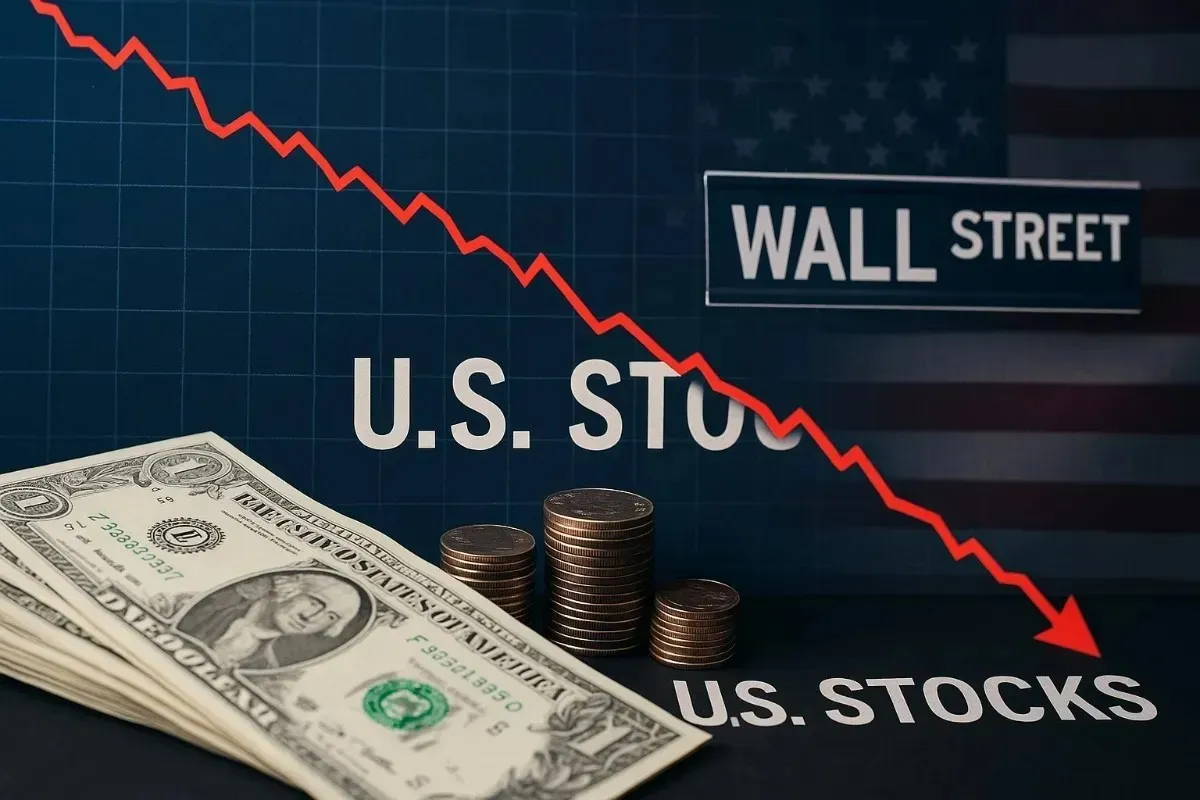
The U.S stock markets goes down
A lot of people sold stocks today because they were worried about how high IT stocks were.The S&P 500 and the Nasdaq, two other important indexes, also went down


Thu, March 5, 2026

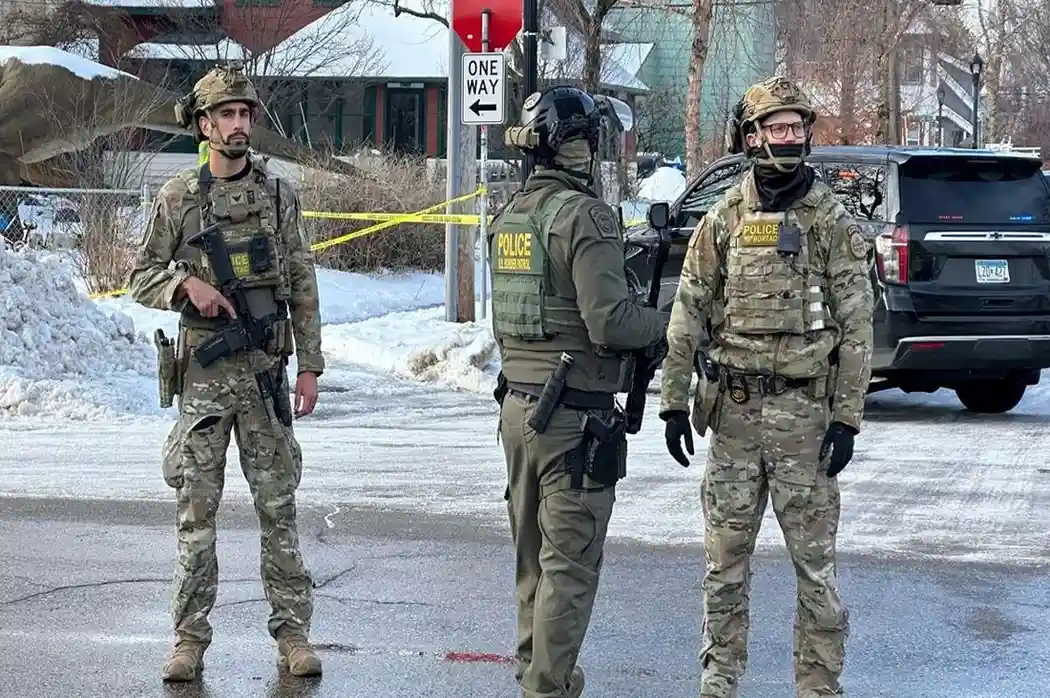
The country woke up to rising tensions after federal border officials shot and killed people in both Portland and Minneapolis last week, which made a lot of people angry.During what officials called a car stop in Portland, Oregon, U.S. federal officers shot and hurt two persons. They were taken to the hospital, but their conditions have not yet been fully revealed.Oregon officials, including local leaders and lawmakers, quickly spoke out against the violence and asked Immigration and Customs Enforcement (ICE) to stop working in the city, saying that community safety and constitutional rights must be protected.
A U.S. Immigration and Customs Enforcement (ICE) officer shot and killed 37-year-old Renee Nicole Good in Minneapolis just a day before this.The events leading up to the deadly shooting in Minnesota have sparked protests around the country, with video and eyewitness testimonies calling into question the official story of what happened.The tragedy led to instant protests and profound political splits. Community leaders and state politicians called for responsibility and questioned the way federal law enforcement worked under the Trump administration.
People are angry in both places, and they are calling for justice and moderation from federal immigration officials.Officials in Oregon and Minnesota have asked for calm even though protests are getting bigger and local and state leaders are asking for openness and independent investigations.The acts of these federal border agents have made the arguments about civil liberties, immigration enforcement, and the role of government power in local communities even louder.
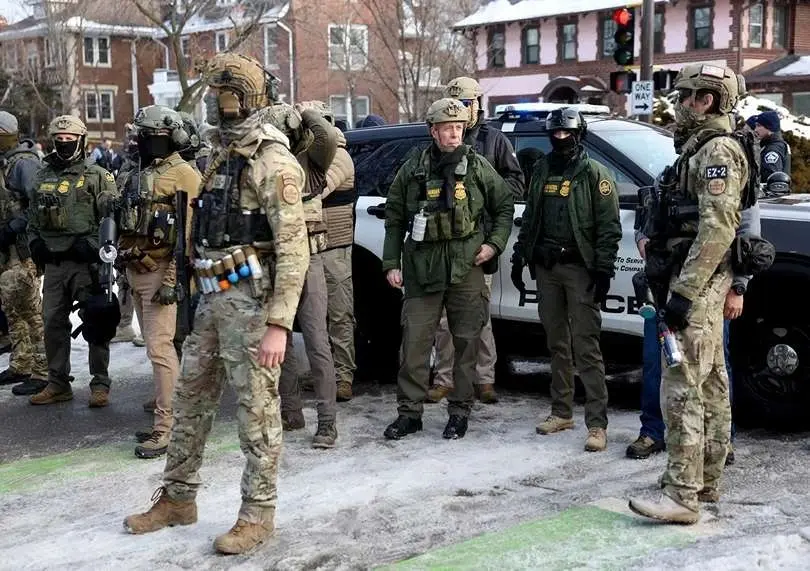
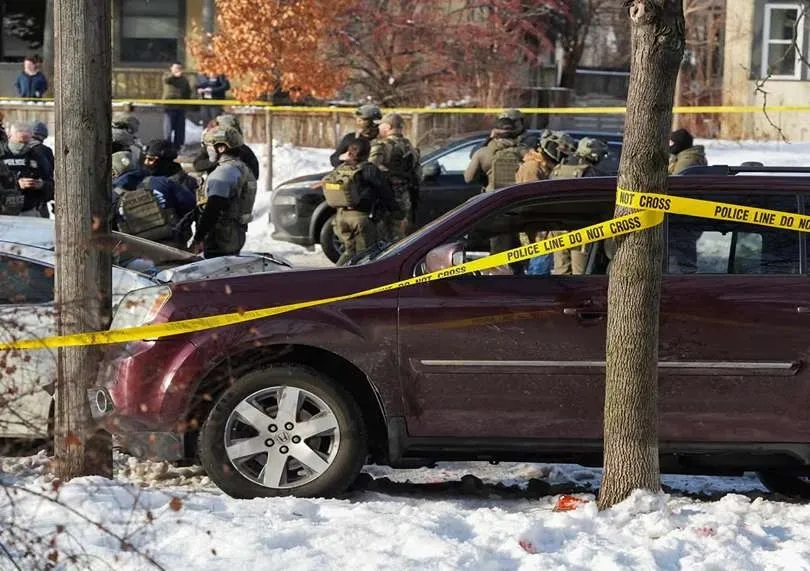
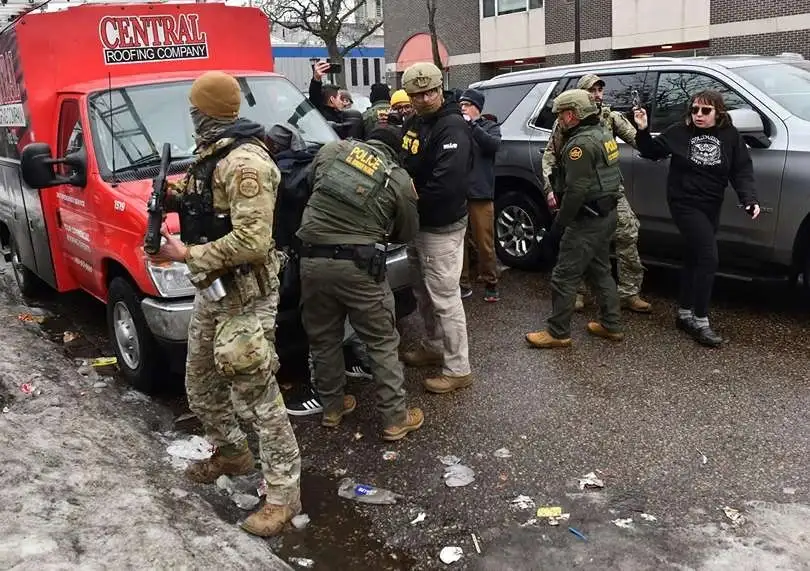
The shootings in Portland and Minneapolis are not isolated events; they are part of a larger pattern of federal immigration enforcement that has divided the country.People in Minneapolis protested around temporary memorials and outside federal facilities. They were angry at the shooting death of Renee Good. City and state leaders have called for full access to the inquiry and accountability from ICE and the Department of Homeland Security.
In Portland, there have been protests in the neighborhood just after the most recent incident involving federal officials.Local leaders have strongly criticized the prolonged presence of federal forces, saying that these activities make people in their areas less safe and less trusting.Calls to terminate ICE activities in these cities show that more and more people are against stricter federal enforcement, especially in sanctuary cities that have more immigrant-friendly legislation.
The Senate in Washington has also taken strong steps to limit President Donald Trump's ability to initiate military action in Venezuela by passing a war powers resolution.Both parties in Congress worked together to carry the resolution ahead because they were worried about what Trump has been doing in the region. This is a rare case of Congress pushing back against the president's foreign policy.
This Senate resolution on war powers would mean that Congress would have to be more involved in any future military actions involving Venezuela.The action is part of a bigger discussion in Washington about international law and the power of the executive branch, especially now as tensions are high and U.S. interventions are very controversial.Critics of the President say that giving the military too much power could lead to problems without a clear legal or strategic reason. Supporters, on the other hand, stress the need for national security.
The progress of this resolution is a big step forward in the ongoing debate about how America interacts with other countries and how much control the President should have over war powers without getting explicit approval from Congress.As the Senate gets closer to a full vote, these disputes are sure to get more heated among lawmakers, advocacy groups, and the general public.
The shootings by federal officers in Portland and Minneapolis and the Senate's vote on Venezuela war powers are both examples of a time when the country was deeply thinking about itself.People in communities all around the United States are trying to figure out how to hold law enforcement accountable, what to do about immigration, how much power the federal government has, and how to balance executive action with congressional scrutiny.Americans are intently monitoring how their leaders deal with these important topics as protests continue and the Senate moves forward on major resolutions.
A lot of people sold stocks today because they were worried about how high IT stocks were.The S&P 500 and the Nasdaq, two other important indexes, also went down
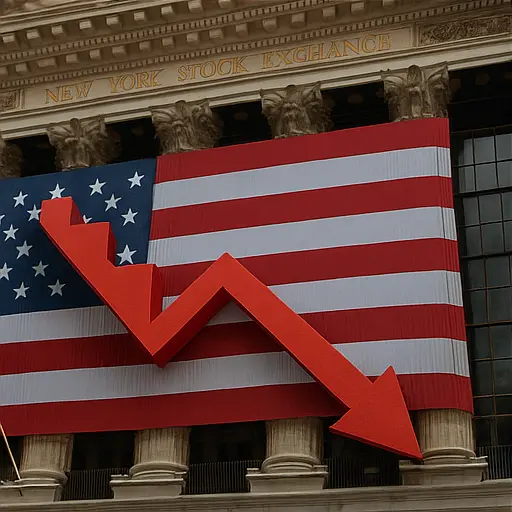
Investors are beginning to question whether the Federal Reserve would lower interest rates, which would be bad news for the U.S markets
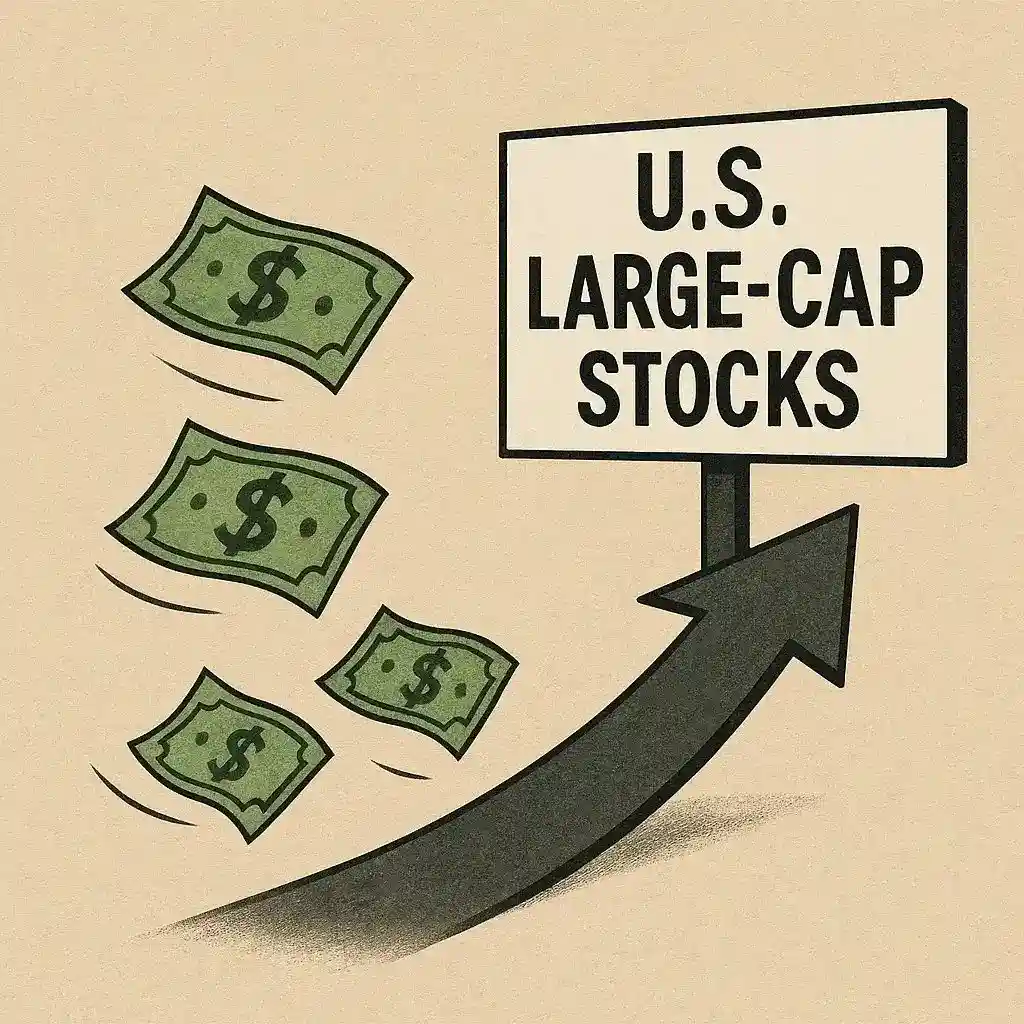
Financial advisers are changing their clients' portfolios as confidence in U.S. large-cap stocks falls
Leave a Reply