



# Markets
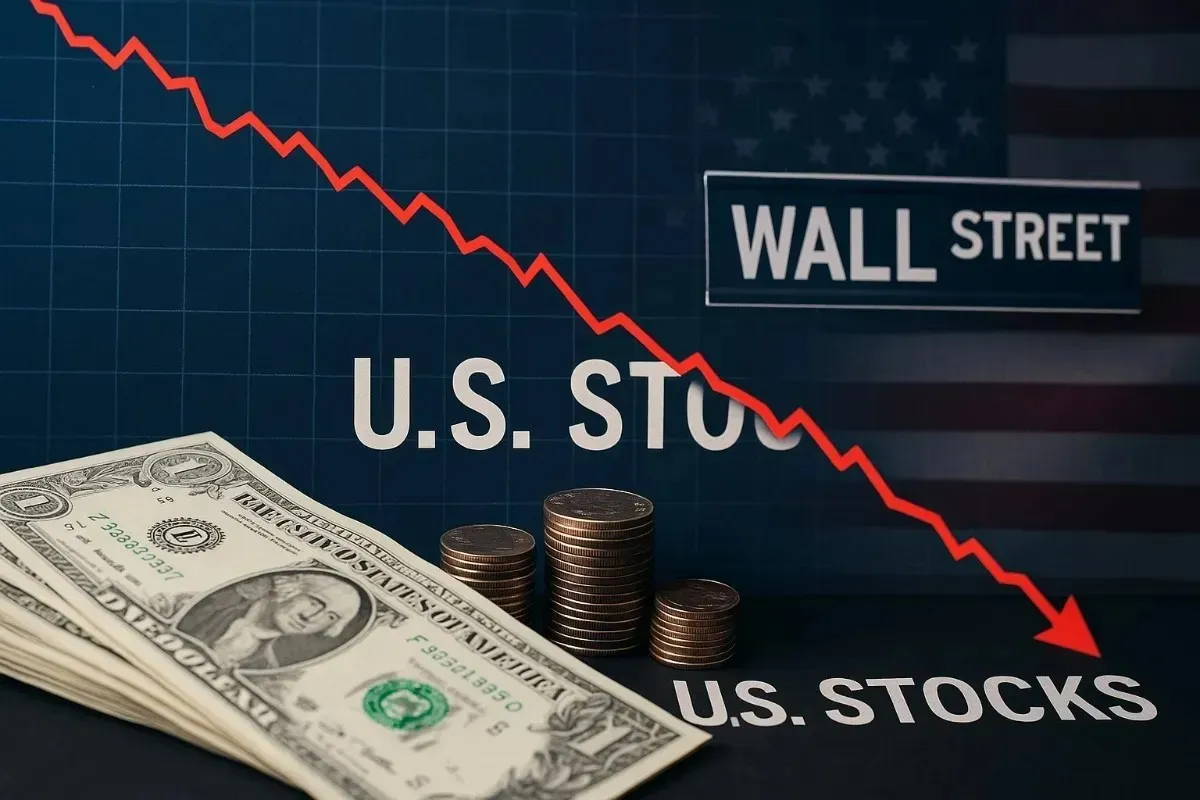
The U.S stock markets goes down
A lot of people sold stocks today because they were worried about how high IT stocks were.The S&P 500 and the Nasdaq, two other important indexes, also went down


Thu, June 4, 2026

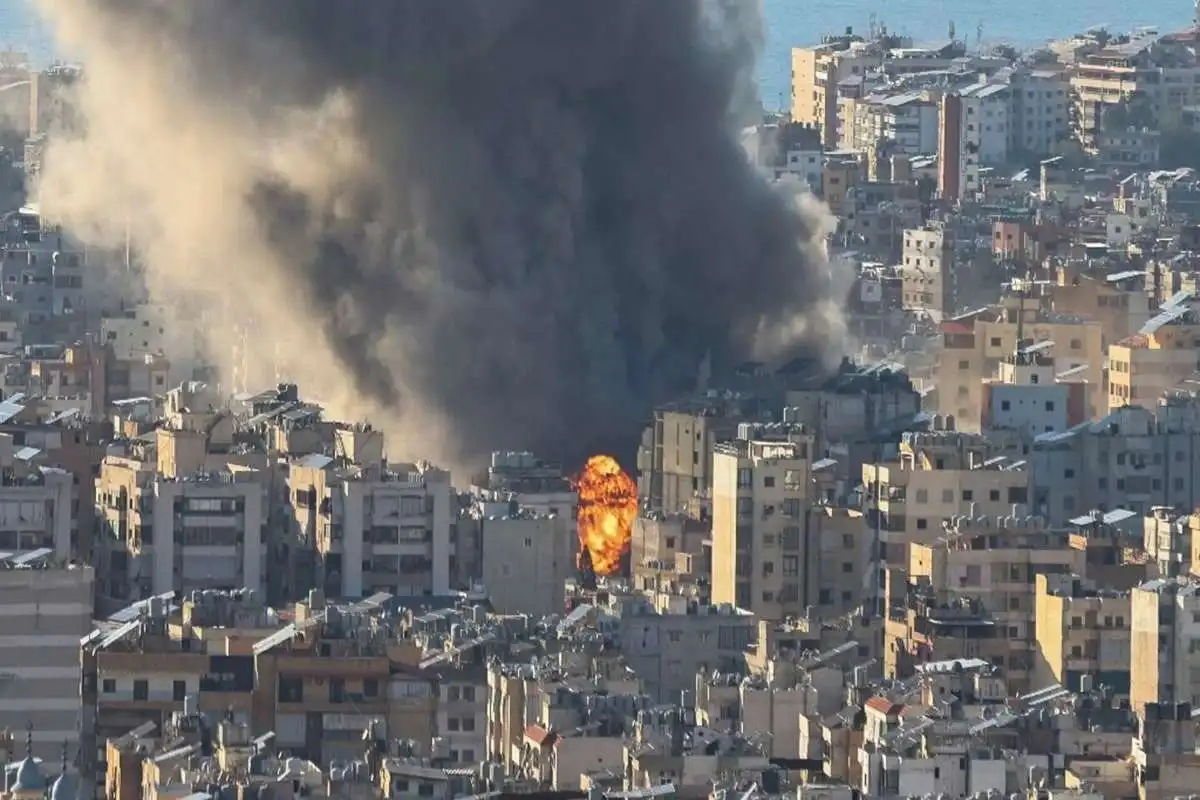
The conflict has now reached Lebanon, and the United States and Israel have intensified their strikes against Iran, hitting both governmental and military installations, as well as civilian sites. Israel announced that it was starting strikes across Tehran and targeting Hezbollah infrastructure in Beirut, where Israeli air raids had killed at least 50 people and injured 335.
Joint US-Israeli strikes targeted western Tehran and the Natanz nuclear complex, although Iranian media reported no radioactive leaks. President Donald Trump asserted that Iran's air force and navy had been effectively "knocked out," a claim bolstered by the US military's confirmation of the destruction of 17 Iranian ships and more than 2,000 other targets.
Defense Secretary Pete Hegseth acknowledged that a US submarine sunk an Iranian boat in Sri Lanka, killing at least 80 people. Israel announced its pilots were operating over Tehran, vowing to persist with aggressive bombing campaigns against Iran. The Israeli military also struck over 60 Hezbollah facilities in southern Lebanon, including weapons stores, command centers, and missile launchers. Israeli sources said two soldiers were moderately hurt by antitank fire in southern Lebanon.
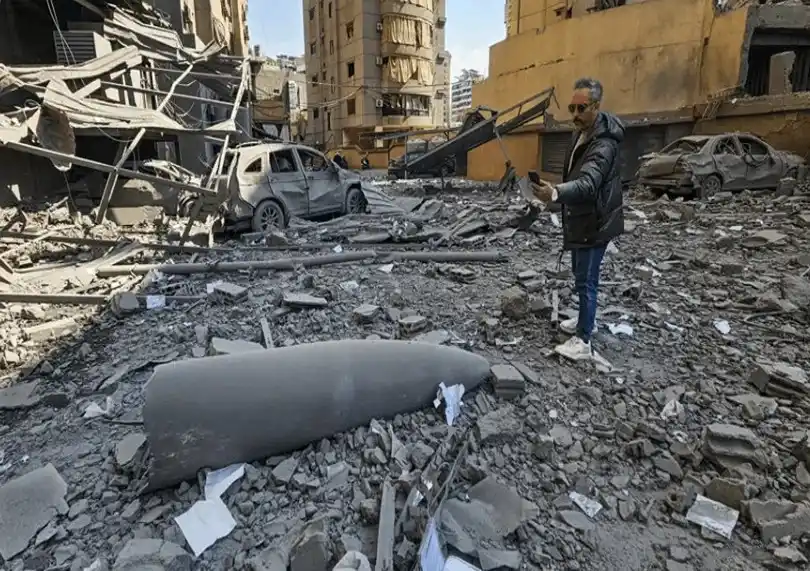
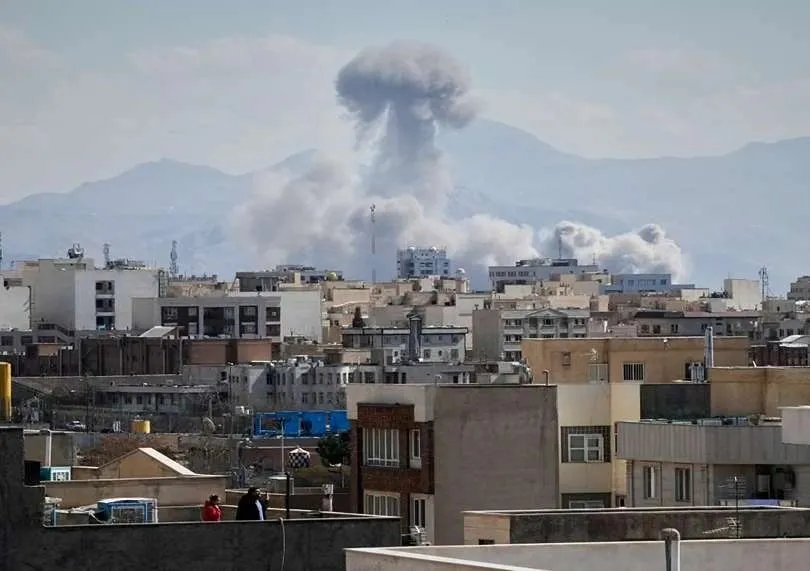
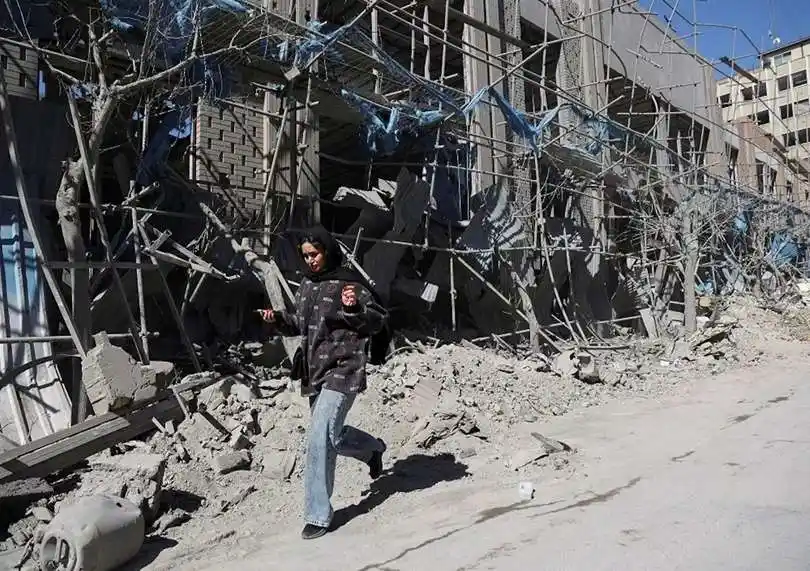
What started as targeted attacks is now spreading across the region, bringing in more countries and making people worried that a much bigger war is about to break out in the Middle East. As Israel attacks Iran and Lebanon and Iran fires waves of missiles and drones in response, the fighting is getting worse for civilians, soldiers, and countries nearby. The effects could go beyond the battlefield and affect the world's energy supplies, travel, and economy.
Iran has launched hundreds of missiles and drones in retaliation for US and Israeli operations. According to US Admiral Brad Cooper, Iran has launched over 500 ballistic missiles and 2,000 drones. The assaults have targeted diplomatic posts and energy installations across the region. Iranian drones hit near the US consulate in Dubai and the US embassy in Riyadh, causing some minor fires and damage.
A drone attack also targeted an Amazon data center in Bahrain, according to an Iranian state-affiliated news source. Qatari air defense systems intercepted projectiles above Doha, while NATO air defenses downed an Iranian ballistic missile aimed at Turkey.
Hezbollah said it fired rockets and drones at Israeli targets and claimed a missile assault on a naval base in Haifa. Iran has threatened to target "all economic centres in the region" if US-Israeli attacks continue.
The number of fatalities in Iran keeps climbing, a grim reality as the circumstances deteriorate. A human rights group based in the United States reports that over a thousand individuals have lost their lives since the onset of the US and Israeli strikes. Following the first four days of warfare, Iran's Foundation of Martyrs and Veterans Affairs announced 1,045 dead.
The conflict also killed several American service men in a drone attack in Kuwait, bringing the total number of known US military deaths to six. The Pentagon acknowledged that two more service members lost their lives in the recent attack, specifying their affiliation with the 1st Theater Sustainment Command.
The death of Supreme Leader Ayatollah Ali Khamenei has plunged Iran's leadership into a period of significant instability. Mojtaba Khamenei, his son, is viewed as a possible successor, but the Assembly of Experts has signaled that a decision is imminent.
The war has ignited a fiery political debate in Washington. Republican senators rejected a resolution forcing President Donald Trump to seek congressional approval for additional military action against Iran. The Senate voted 53-47 not to move the measure, giving Trump vast latitude to continue the campaign.
General Dan Caine, the Joint Chiefs of Staff's chairman, announced that the U.S. would intensify its strikes, moving further into Iran. Democratic lawmakers, however, have cautioned that this conflict could spiral into a protracted ground war, and they've criticized the administration for its shifting justifications for the attack.
Secretary of State Marco Rubio cautioned lawmakers about the potential for escalation, though Trump maintained that regime change in Iran wasn't the main objective.
The conflict also generated protests in the United States. A North Carolina man protesting US military operations in Iran was forcibly removed from a Senate Armed Services subcommittee hearing following a scuffle with officers.
Brian McGinnis, a 44-year-old Green Party Senate candidate and Marine Corps veteran, said "No one wants to fight for Israel" as cops took him from the hearing room, clinging to the door. According to Capitol Police, McGinnis is charged with three counts of assault on a police officer and three charges of resisting arrest.
Three officers were treated for injuries sustained during the incident. Republican Senator Tim Sheehy of Montana was spotted assisting authorities during the altercation and later stated that the protester had come to the Capitol seeking a conflict. The Capitol Police made it clear to the public: no protests are allowed inside congressional buildings.
The conflict's aftershocks have rippled through international relations and the world economy. Trade in the Strait of Hormuz has faced interruptions, raising alarms about the world's energy reserves. Asian markets, after a rough patch, showed signs of life, fueled by optimism that the situation would stabilize quickly.
Kristalina Georgieva, the IMF's Managing Director, has sounded a warning: the ongoing conflict is straining the world's economic fortitude. This could have repercussions for growth, inflation, and the overall stability of financial markets. China's foreign minister said the country would send a special envoy to the Middle East to mediate.
Meanwhile, European governments have started pulling their people out of the area. In a bid to safeguard their citizens from the worsening situation, the Czech Republic and Slovakia managed to bring home a significant number of their nationals from Jordan, utilizing military planes.
Are the fights getting worse? The conflict could spread quickly if more countries or groups like Hezbollah join in.
What Iran will do next: Things could get worse if the attacks or retaliation get worse or hit important infrastructure.
If the U.S. gets more involved, the war could get bigger and last longer if the U.S. military does more.
The world is paying close attention to what diplomats are doing to end the crisis and stop it from getting worse.
A lot of people sold stocks today because they were worried about how high IT stocks were.The S&P 500 and the Nasdaq, two other important indexes, also went down
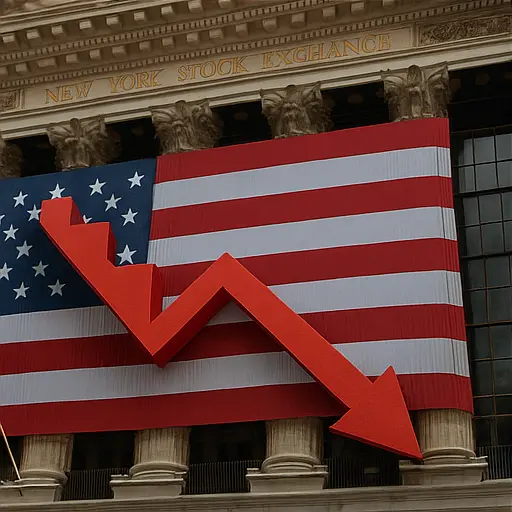
Investors are beginning to question whether the Federal Reserve would lower interest rates, which would be bad news for the U.S markets

Financial advisers are changing their clients' portfolios as confidence in U.S. large-cap stocks falls
Leave a Reply