



# Markets
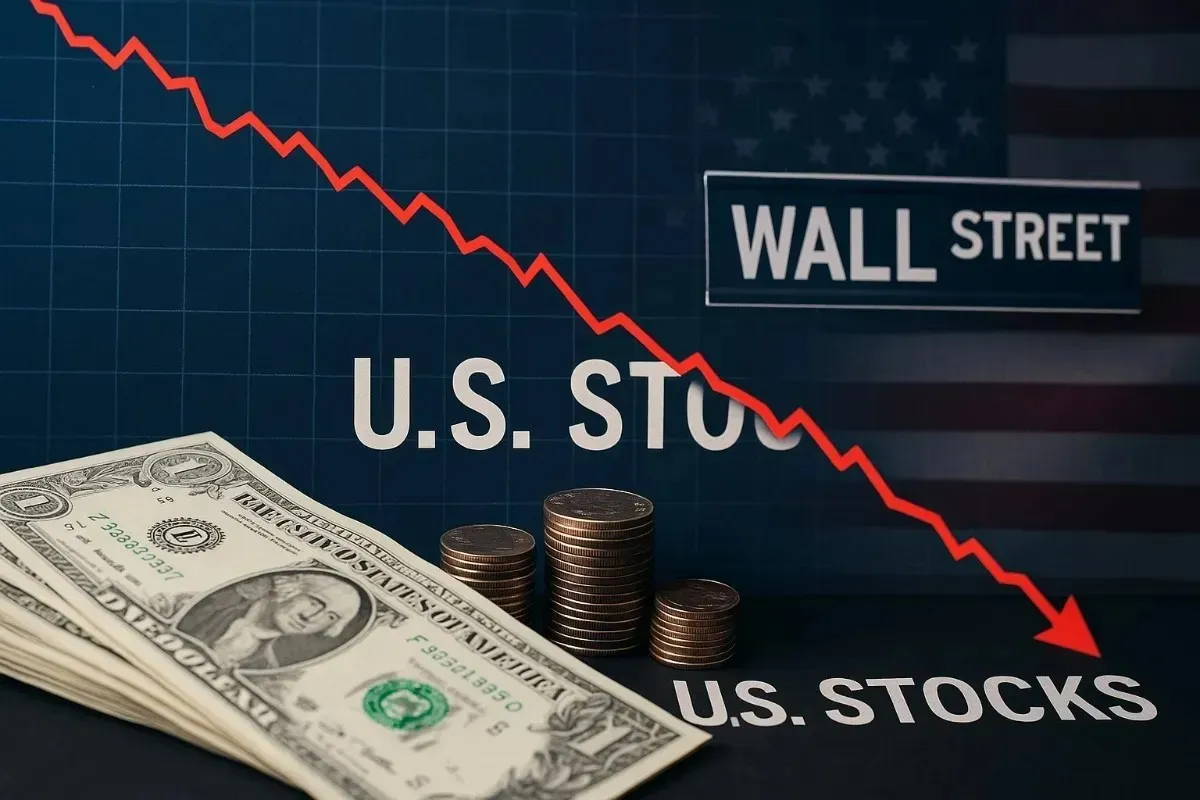
The U.S stock markets goes down
A lot of people sold stocks today because they were worried about how high IT stocks were.The S&P 500 and the Nasdaq, two other important indexes, also went down


Thu, March 5, 2026
Donald Trump ordered Cuba to "make a deal" or else suffer undefined consequences. He also said that no more Venezuelan oil or money will go to Cuba, which has been a US enemy for decades. The US president used more menacing language on Sunday as Cuba, a close ally of Venezuela and a major buyer of its oil, prepared for possible widespread upheaval once Nicolás Maduro was removed from power as the country's leader. Trump wrote on his Truth Social page, "THERE WILL BE NO MORE OIL OR MONEY GOING TO CUBA—ZERO!" “I strongly suggest they make a deal, BEFORE IT IS TOO LATE.” He didn't say what kind of arrangement it may be.
Venezuela is Cuba's major oil supplier, but shipping data shows that no oil has left Venezuelan ports for the Caribbean country since US soldiers captured Maduro last week. This is because of a stringent US oil blockade. The US raid killed dozens of Venezuelan and Cuban security personnel. After that, Trump stated Cuba was "ready to fall" because of its grave economic crisis and the fact that it would be hard for Havana to "hold out" without cheap Venezuelan oil. Earlier on Sunday, the US president shared a message that said Marco Rubio, the US secretary of state whose parents were Cuban immigrants, may be the country's new president. He added, "Sounds good to me!" In a different message a short time later, Trump added that Cuba has “lived, for many years, on large amounts of OIL and MONEY from Venezuela. In return, Cuba provided ‘Security Services’ for the last two Venezuelan dictators, BUT NOT ANYMORE! “Most of those Cubans are DEAD from last week’s USA attack, and Venezuela doesn’t need protection any more from the thugs and extortionists who held them hostage for so many years.”
Donald Trump's warning to Cuba is a big step up in the U.S. pressure on one of its oldest enemies. Washington is threatening to cut off all oil and financial support from Venezuela to Havana. This is a major lifeline for Cuba right now, as the island is already going through its worst economic crisis in decades. The move comes at a time when Venezuela is going through a lot of changes since Nicolás Maduro was ousted. This makes it more likely that instability will spread to other parts of the Caribbean. Cuba's defiant response and the fact that the U.S. is moving troops near the area show that there is a chance of more geopolitical tension between the U.S., Cuba, Venezuela, and their regional allies.


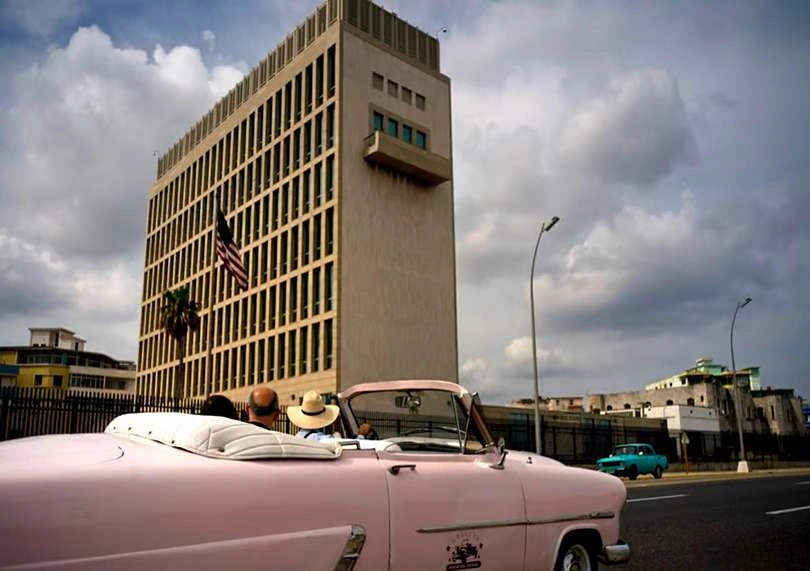
Miguel Diaz-Canel, the president of Cuba, promised to protect the country from any attack. “Cuba is a free, independent and sovereign nation." Diaz-Canel wrote on X, "No one tells us what to do." He also said that the Caribbean island was "ready to defend the homeland to the last drop of blood." Bruno Rodriguez, Cuba's Minister of Foreign Affairs, said earlier that "right and justice are on Cuba's side." The US “behaves like an out-of-control criminal hegemon that threatens peace and security, not only in Cuba and this hemisphere, but throughout the entire world.” Rodriguez put posted on X. Rodriguez also wrote on X that Cuba could buy fuel from any sources who were prepared to sell it. He said that Cuba has not received any "material" or financial remuneration for providing security services to any country. Havana has relied more and more on Venezuelan oil since 2000, when the US put a trade embargo on Cuba. This oil comes from an agreement made with Hugo Chavez, Maduro's predecessor.
Venezuela's supply of crude oil and fuel to Cuba has gone down in recent years since its refining capability has shrunk. According to ship-tracking data and internal documentation from Venezuela's state-run oil corporation, PDVSA, the South American country is still the biggest supplier, sending roughly 26,500 barrels per day last year. Cuba's oil shortfall was around half of what Venezuela sent. Cuba also gets some of its crude oil and fuel from Mexico, but not as much as it needs. Last week, Mexican President Claudia Sheinbaum noted that her country had not increased the amount of oil it sent to Cuba. However, because of recent political developments in Venezuela, Mexico had become an "important supplier" of crude oil to Cuba.
Alessandro Rampietti of Al Jazeera, who is in Cucuta, Colombia, stated that Cuba may have a hard time finding other supplies of fuel, even though it is talking tough. "The country is also going through one of the worst economic crises in recent years, probably the worst since the 1990s, after the fall of the Soviet Union." Cuban life has becoming increasingly challenging for normal people because of rolling blackouts and shortages. The amount of food grown has been going down. "Tourism is down also," Rampietti remarked. He also said that the US stopping the flow of Venezuelan oil might make things even worse in Cuba, which is already "difficult." This week we also heard that at least two US Navy warships were relocated from the Caribbean to the Atlantic, which is closer to Cuba. So, the country is under a lot of stress. Rampietti remarked, “We’re going to have to see if they will be able to withstand even this latest US threat.” Some people in Cuba were defiant, while others claimed the loss of Venezuelan oil will have an impact on the country. Maria Elena Sabina stated that Diaz-Canel's government needs to act swiftly because "the people are suffering." There’s no electricity here, there’s no power here, there’s no gas here, no liquefied gas,” she said. “So yes, change is needed, change is needed, but quickly, hopefully tomorrow.”
Some Republican US politicians praised Trump on Sunday for his harsh words. Mario Díaz-Balart, a congressman from Florida, declared that the government in Havana was coming to an end after "decades of misery, tragedy, and pain." Caracas and Washington are negotiating a $2 billion contract to send up to 50 million barrels of Venezuelan oil to the US. The money will go into accounts monitored by the US Treasury. This is a test of the relationship between Trump and Venezuela's interim president, Delcy Rodríguez. After the US told its nationals to leave Venezuela right away on Saturday, Trump made his comments. There are rumors that armed paramilitaries are looking for US citizens in the country. The state department put out a security notice on Saturday saying that there were reports of armed members of pro-regime militias, called colectivos, blocking roads and examining automobiles for proof that the people inside were US citizens or supporters. The advisory also said, “US citizens in Venezuela should remain vigilant and exercise caution when travelling by road.” It told people to leave right away because some international flights from Venezuela have started up again.
Last week, Trump told the New York Times that he would like to go to Venezuela in the future. He had asserted that the US was "running" the South American country after taking out its leader. The president of the United States told reporters, “I think at some point it’ll be safe.” The state department alert, however, showed how unstable things still are after last weekend's special forces raid, which left many civilians dead. The Venezuelan foreign ministry said in response to the security notice that the US state department warning was “based on fabricated accounts aimed at creating a perception of risk that does not exist.” The ministry also said, "Venezuela is in absolute calm, peace, and stability." “All populated centers, communication routes, checkpoints, and security devices are functioning normally.” It declared that the government was “the sole guarantor of the legitimate monopoly of force and the tranquility of the Venezuelan people”.
A lot of people sold stocks today because they were worried about how high IT stocks were.The S&P 500 and the Nasdaq, two other important indexes, also went down
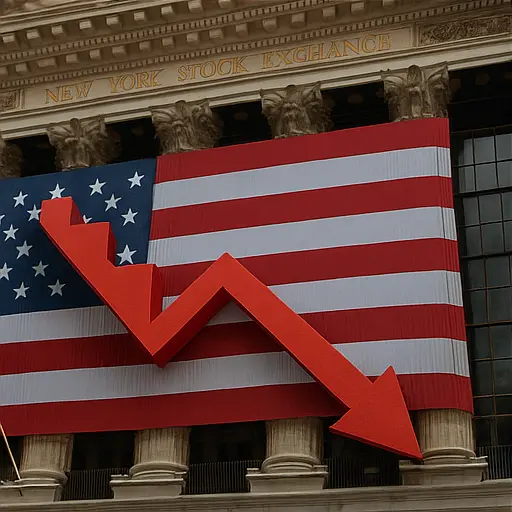
Investors are beginning to question whether the Federal Reserve would lower interest rates, which would be bad news for the U.S markets
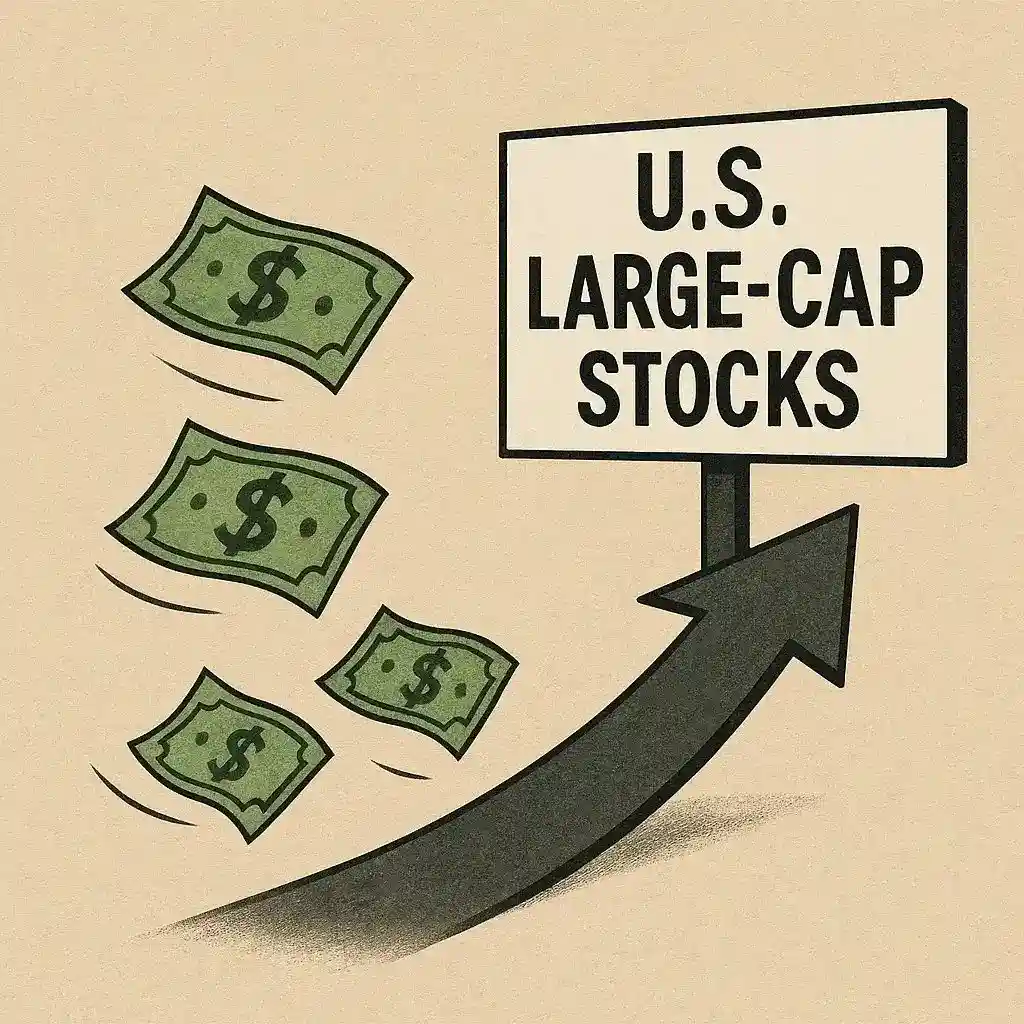
Financial advisers are changing their clients' portfolios as confidence in U.S. large-cap stocks falls
Leave a Reply