



# ESG
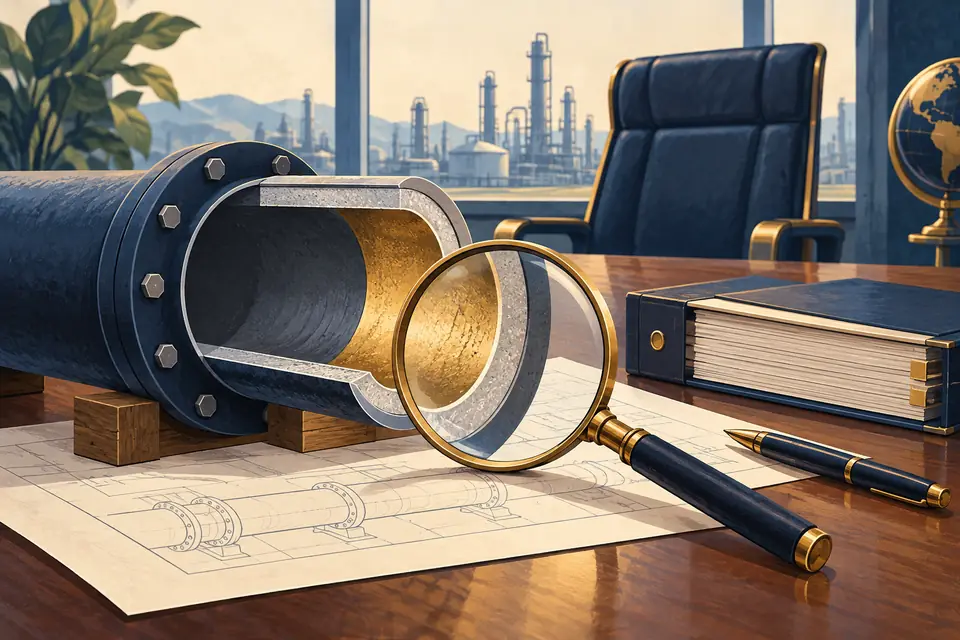
Perma-Pipe’s board appointments: evaluating expertise and oversight
The April 2026 appointments raise practical questions about committee responsibilities, project risk, and capital allocation.




In his 2021 Starbase conversation with Everyday Astronaut, Elon Musk described a five-step approach to engineering work: challenge requirements, remove unnecessary elements, simplify what remains, increase speed, and automate. Its most useful idea is the order: automation should follow an understanding of the task. The interview is the source of the framework; the workplace examples below are applications of it. [1]
Question a requirement by identifying its purpose, owner, and evidence. A rule may protect safety, meet a legal obligation, or prevent an expensive error. Understanding that purpose is different from treating every inconvenient step as expendable.
Next, identify steps that duplicate work or no longer serve a purpose. For example, two teams might re-enter the same approved purchase data. Removing the second entry could save time, provided the remaining record preserves the necessary approval and audit trail.
Clarify handoffs, required information, and exception handling. Measure where work waits and why it returns for correction. A faster process that creates more rework may increase total cost.
Run a limited trial before changing the entire workflow. Compare completion time, error rates, customer outcomes, and control failures. Include unusual cases, since a process that handles routine requests well may fail precisely when judgment is needed.
Automate repeatable steps with clear inputs, a named owner, and a route for exceptions. Keep a way to pause the system and recover from errors. The useful test is whether the whole workflow becomes more reliable and less costly, including the unusual cases that still need human judgment.
Sources support the dates and events discussed. This post is not a live update. Financial examples and analysis are for general information. Article images are AI-generated editorial illustrations, not photographs of the events or people discussed.
For factual corrections, see our corrections policy.
The April 2026 appointments raise practical questions about committee responsibilities, project risk, and capital allocation.
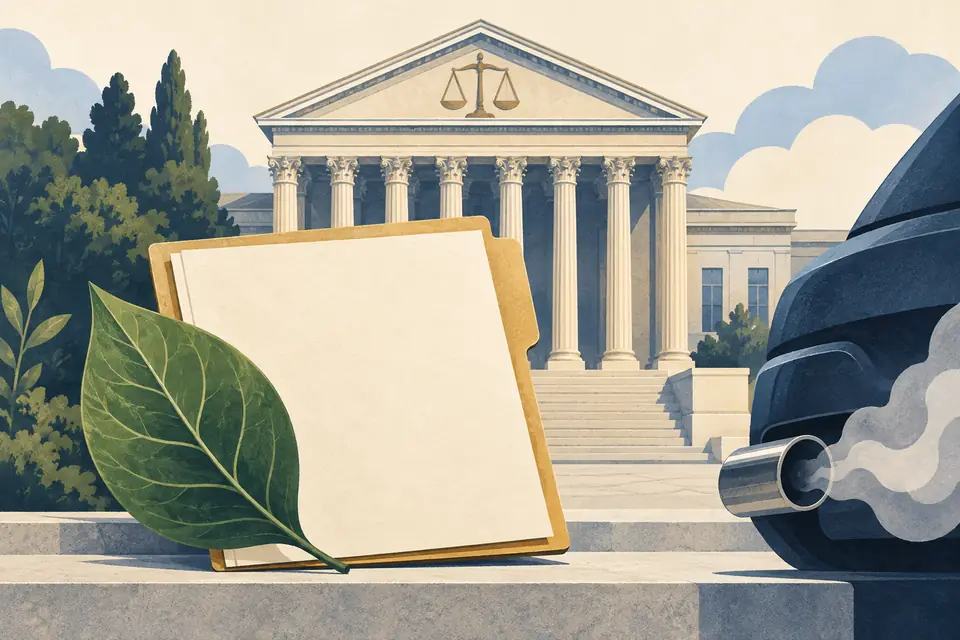
A coalition of states and local governments challenged the repeal of the endangerment finding and vehicle standards.