
Business
Elon Musk’s SpaceX Stock Giveaway Plan Raises Questions Over Wealth and Access

First published October 20, 2026 · Updated October 20, 2026
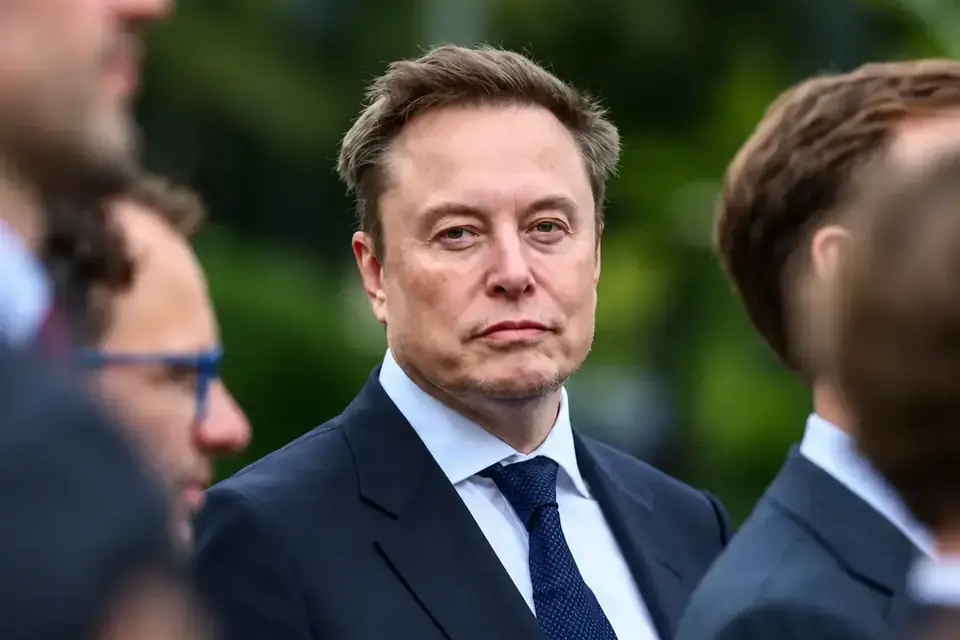
Elon Musk’s promise to give every child in the U.S. one share of SpaceX stock has ignited a discussion about wealth distribution, access to finance and the real-world value of private company stock. The proposal, announced Oct. 19, 2026, could be worth more than $10 billion, based on the company’s share price at the time.
President Donald Trump has said the planned distribution would be through Trump Accounts, the investment accounts set up for American children. But the key details, such as who will be eligible and how and when the transfers will take place, remain unclear. Questions have also been raised over whether a stock gift is an immediately useful financial benefit or an investment whose value depends on future performance and access to liquidity.
Musk’s Billion-Dollar Pledge Could Benefit Over 70 million Children
In 2027 Musk announced on his social media platform X he planned to give a SpaceX share to every child in America, calling the plan “the first of many”. He didn’t immediately provide a detailed plan for implementation or specify exactly which children would qualify.
The proposal could be very large on scale. More than 70 million people under the age of 18 live in the United States, estimates show. At the reported price of around $146, that would mean one share per child would be worth a total of about $10.5 billion to $11 billion.
The proposed gift follows a separate announcement by artificial intelligence company Anthropic that it would donate 5 percent of its shares to a new public-benefit fund, pending shareholder approval. Musk responded to the announcement from Anthropic by pushing direct distributions to the public, then describing his own plan.
SpaceX is a major aerospace and satellite communications company that launches rockets and runs its Starlink internet service. Its valuation has been reported as making its stock a potentially valuable asset, but the eventual worth of any given share will be dependent on the future performance of the company and market conditions.
For now, the multibillion-dollar estimate is for the possible value of the proposed distribution, not a completed share transfer.
Trump Accounts Could Be a Distribution Channel, But Key Details Are Still Missing
Trump has publicly backed Musk’s pledge and said the shares would be allocated through Trump Accounts, a savings and investment plan for children that was established by the government. The accounts are designed to help young Americans build wealth over time and can be funded from a variety of sources.
The administration has touted the accounts as a way to encourage long-term financial savings. Other rich donors and business figures have also promised to contribute to the scheme, ramping up interest in how private wealth could be channeled into accounts for children.
However, many questions about Musk’s proposal remain unanswered. He has not fully explained the criteria to be eligible or how the shares would be transferred or whether all children under 18 would qualify. The difference between US citizens, residents, and other children living in the country could also influence the ultimate scope of the program.
Another challenge is the mechanics of distributing shares in a private company. In the process, ownership records, custodial arrangements for minors and the rules governing the receiving accounts would have to be considered. The detailed legal and administrative arrangements are not yet fully uncovered.
Until those details are published, it’s not clear how the proposed gift would work in practice. Trump’s endorsement provides a possible administrative avenue but does not in itself demonstrate that the transfers are completed or that all eligible children will receive shares.
Private Stock Adds to Concerns About Liquidity and Long-Term Value
A SpaceX share might be worth a lot of money, but it might not be as useful to a child as cash or an easily tradeable investment. Private company stock may have restrictions on resale, transfer, and ownership. Even if a quoted or reported price suggests a significant asset, its value can vary as the business grows.
Bloomberg Opinion’s Oct. 19 commentary asked whether Musk’s pledge should be seen as an uncomplicated gift. The core problem is that the headline value of a share doesn’t automatically translate into cash that a recipient can access immediately. The conditions attached to ownership, the company’s future performance, and the availability of a route to offload the investment all count.
The proposed distribution also raises questions over how the shares would be held for minors, who would manage them, and when beneficiaries would be able to exercise control over their assets. The ultimate value received will also depend on tax treatment and on specific restrictions (depending on the final structure).
But if the shares increase in value and the beneficiaries are eventually able to access their value, the distribution could be a meaningful beginning asset for millions of young Americans. If the company’s value declines or access is still restricted, the actual benefit may be less than the first estimate.
The proposal could therefore be a significant transfer of private wealth, but its actual impact will depend on implementation, governance, and long-term investment performance.
Sources and further reading
- The Verge
- The New York Times
- Bloomberg Opinion
Sources support the dates and events discussed. This post is not a live update. Financial examples and analysis are for general information.
For factual corrections, see our corrections policy.
NATALIE GREENE
ABOUT AUTHOR
Contributor credited in the Investment Banking blog archive. The linked sources explain the basis of this post.