




# ESG
The SEC’s May 2026 climate-disclosure proposal: how to read its scope
The proposal concerned the 2024 disclosure framework. Investors still need to assess material business risks and other reporting obligations.



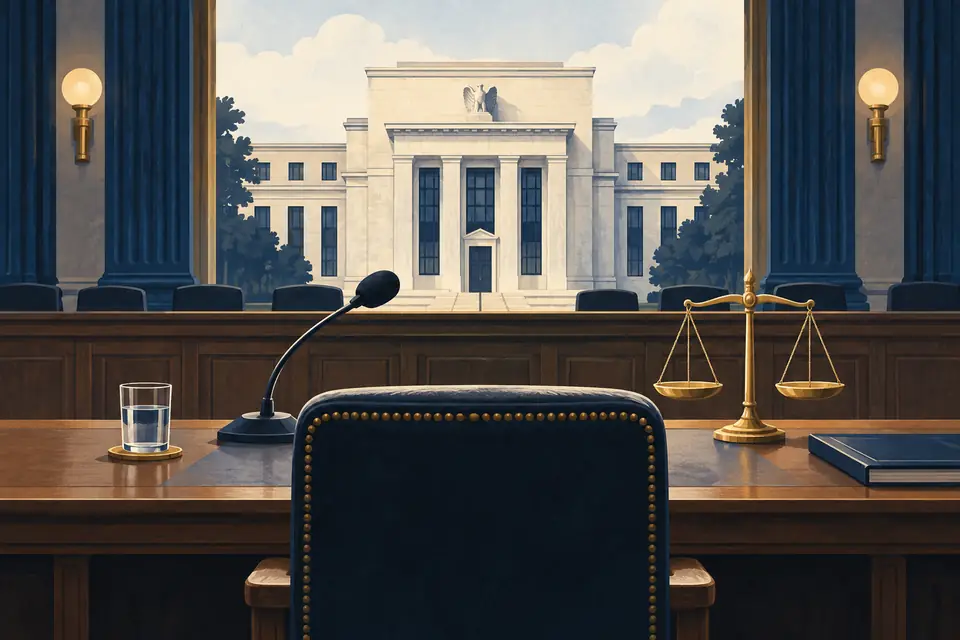
The Senate Banking Committee held Kevin Warsh’s nomination hearing on April 21, 2026, to consider him for membership and chairmanship of the Federal Reserve Board. The committee’s hearing record supplies the date, subject, and testimony. It is the appropriate starting point for claims about what the nominee told lawmakers. [1]

Testimony reveals a nominee’s stated positions and the concerns senators choose to examine. It does not guarantee how the nominee will vote under future conditions. A pledge about independence should be assessed alongside the legal structure of the institution and its subsequent decisions.
The president nominates a chair and the Senate considers confirmation. That process does not turn each monetary policy decision into a presidential instruction. At the same time, independence does not remove Congress’s oversight role.
Calls for lower rates may reflect concerns about growth or borrowing costs. Arguments for restraint may reflect inflation risk. Neither position is proven independent merely because it agrees or disagrees with the White House. The more useful question is whether the explanation is consistent with the available evidence and the institution’s responsibilities.
Compare testimony with published policy decisions, votes, and explanations of uncertainty. Track whether the reasons given for a decision are consistent with the available economic evidence and the Fed’s responsibilities. That provides a firmer basis for judging independence than agreement or disagreement with a particular politician.
Sources support the dates and events discussed. This post is not a live update. Financial examples and analysis are for general information. Article images are AI-generated editorial illustrations, not photographs of the events or people discussed.
Revision note: Corrects the hearing date to April 21, 2026 and removes unsupported quotations and claims about motives.
For factual corrections, see our corrections policy.
The proposal concerned the 2024 disclosure framework. Investors still need to assess material business risks and other reporting obligations.

The April 2026 appointments raise practical questions about committee responsibilities, project risk, and capital allocation.

A coalition of states and local governments challenged the repeal of the endangerment finding and vehicle standards.