



# ESG
Perma-Pipe Names Carbon Capture Expert Nancy Zakhour to Board
On April 8, 2026, Perma-Pipe (Nasdaq: PPIH) adds Nancy Zakhour, an expert in renewable energy and carbon capture, to its board.


Mon, May 25, 2026

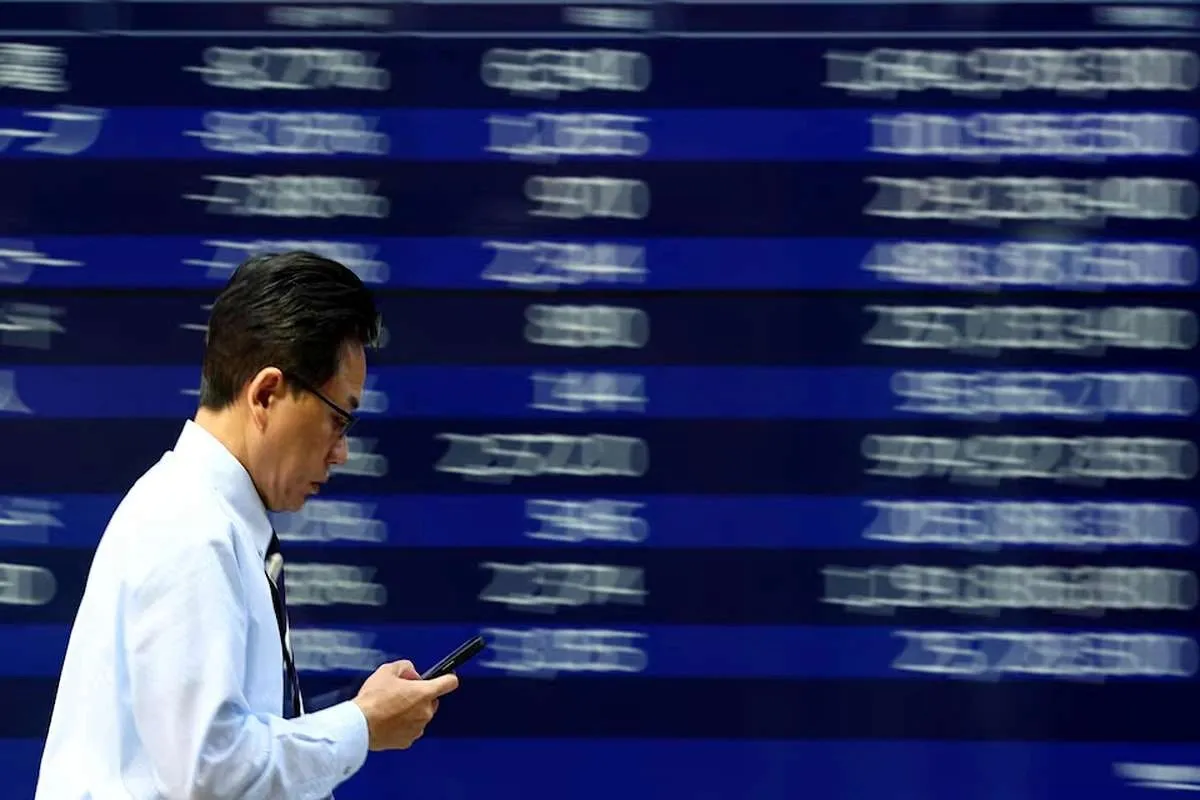
Global financial markets surged as investors reacted positively to growing optimism surrounding a possible peace agreement between the United States and Iran. Reuters reported that stock markets climbed sharply while oil prices and the U.S. dollar weakened amid expectations that tensions in the Middle East could ease after months of conflict.
Japan’s Nikkei index jumped roughly 3% to a record high above 65,000, while futures tied to the Nasdaq and S&P 500 also rose strongly. Investors interpreted improving diplomatic signals between Washington and Tehran as reducing the risk of prolonged disruption in the Strait of Hormuz, one of the world’s most important oil shipping routes.
Bloomberg reported that the optimism triggered a broad “risk-on” rally across global markets. Investors moved back into equities while reducing positions in traditional safe-haven assets such as the U.S. dollar. Asian and European markets also advanced as traders anticipated a potential easing in global inflation pressures tied to oil prices.
Middle Eastern markets similarly gained on expectations that regional stability could improve if negotiations succeed. Investing.com reported that most Gulf markets ended higher as investors welcomed signs of diplomatic progress between the U.S. and Iran.
The optimism followed reports that negotiations were moving closer toward a ceasefire framework involving shipping security in the Strait of Hormuz and possible sanctions relief for Iran. The negotiations were seen as one of the most important geopolitical events to impact global markets in 2026 by investors.
Still, analysts warned that markets remain highly sensitive to headlines because previous negotiations and ceasefires repeatedly collapsed during recent months. Reuters noted that investors continue monitoring every statement from Washington and Tehran for signs that the talks could either succeed or fail.
The rally was therefore one of relief and caution, seeking to price in the possibility of a de-escalation given the still extremely high level of uncertainty over the Middle East conflict.
Oil prices dropped sharply as hopes for a peace deal reduced fears of supply disruptions through the Strait of Hormuz. Reuters reported that Brent crude fell more than 4%, dropping below $100 per barrel, while U.S. West Texas Intermediate crude also declined significantly.
The fall followed months of intense volatility in energy markets driven by the Iran conflict and restrictions on tanker traffic through the Gulf. The Strait of Hormuz carries roughly one-fifth of global oil shipments, making it central to global energy prices and inflation expectations.
Bloomberg reported that traders increasingly believe a diplomatic settlement could restore more stable shipping conditions and gradually normalize oil exports from the region. The possibility of fewer disruptions immediately reduced pressure on global energy markets.
The U.S. dollar also weakened as investors shifted toward riskier assets such as stocks and emerging-market currencies. Reuters reported that the euro and Japanese yen strengthened while traders reduced defensive positions tied to geopolitical uncertainty.
However, analysts warned that the market reaction may be premature. There are key sticking points in the talks including sanctions relief, uranium enrichment and long-term security guarantees, Reuters said. Several previous attempts to secure a ceasefire also failed unexpectedly.
Oil markets additionally remain vulnerable because shipping traffic through the Strait of Hormuz has not fully returned to normal levels. Energy traders warned that any renewed military escalation could quickly reverse recent declines in crude prices.
Investing.com also reported that investors continue balancing optimism over diplomacy with concerns about inflation, central bank policy, and broader economic uncertainty. Rising energy prices during recent months already pushed inflation higher in several major economies.
The movement in oil and currency markets therefore reflected growing hope that a diplomatic breakthrough could reduce global economic pressure, while uncertainty surrounding the negotiations continues keeping traders cautious.
Despite the strong market rally, investors and analysts repeatedly warned that optimism surrounding the U.S.-Iran negotiations could still unravel quickly. Reuters reported that uncertainty surrounding the final outcome of the talks continues limiting confidence across global markets.
President Donald Trump stated that negotiations with Iran were in the “final stages,” but he also warned of possible renewed attacks if Tehran refuses to accept the proposed agreement. Iran meanwhile maintained that its sovereignty and nuclear rights remain non-negotiable issues.
Investors are also closely watching central banks because the Iran conflict significantly changed inflation expectations earlier this year. Reuters reported that markets now fully anticipate another Federal Reserve rate hike in early 2027 after months of higher energy prices increased inflation pressures globally.
Some analysts warned that even a successful ceasefire may not immediately stabilize markets because shipping insurance costs, energy supply chains, and geopolitical tensions across the Middle East could remain elevated for months.
Investing.com noted that investors continue treating the situation as highly headline-driven. Markets have repeatedly swung sharply based on developments involving the Strait of Hormuz, military activity, or conflicting diplomatic statements from Washington and Tehran.
The conflict had already changed market expectations for 2026. Oil prices jumped earlier this year on fears that ongoing disruptions to shipping lanes in the Gulf could trigger broader fears about global growth and inflation.
Analysts also warned that unresolved issues around Iran’s nuclear programme, sanctions and military alliances in the region could continue to create instability even if a short-term ceasefire is reached.
The latest market rally therefore reflected relief that diplomacy may be advancing, but investors remain aware that the Middle East crisis continues carrying major economic and geopolitical risks capable of rapidly changing global market sentiment.
On April 8, 2026, Perma-Pipe (Nasdaq: PPIH) adds Nancy Zakhour, an expert in renewable energy and carbon capture, to its board.
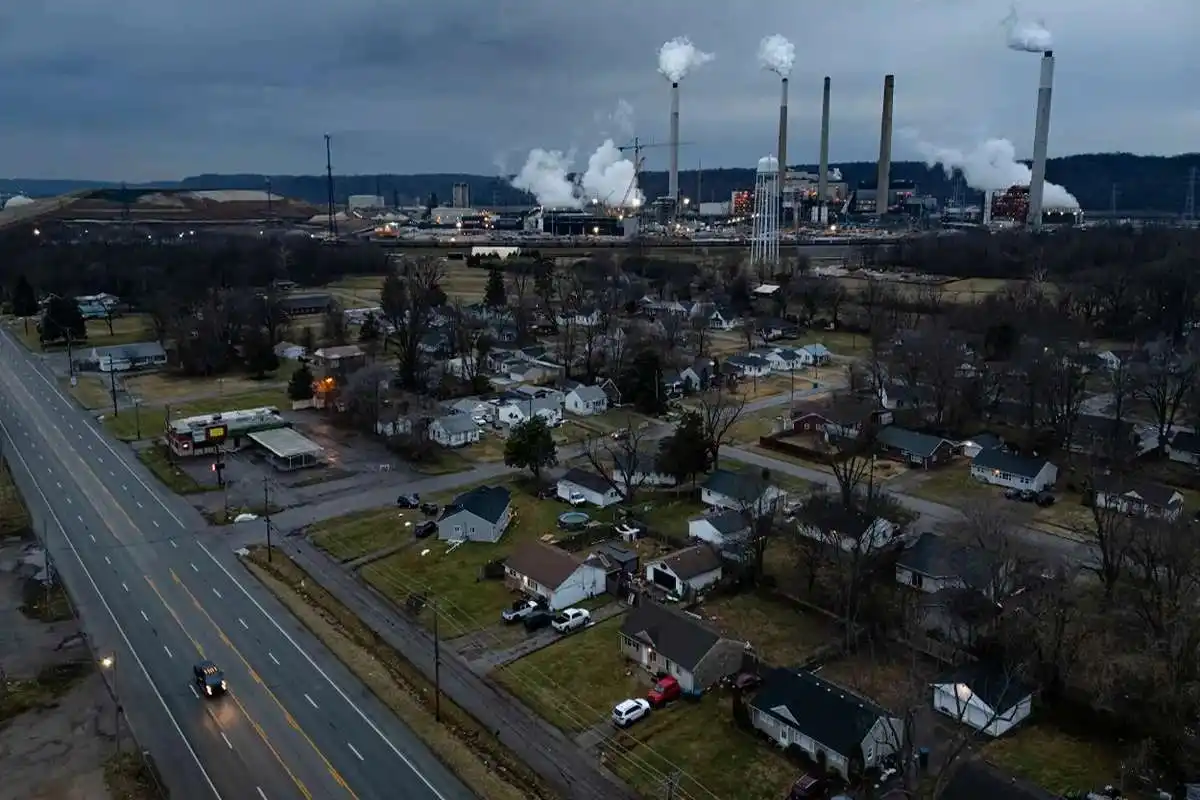
A group of 24 states has sued the government to stop the revocation of the Endangerment Finding.
Leave a Reply