




# Banking
Banco Caracas and Santander: reading the 2000 acquisition record
Santander’s acquisition announcement explains the proposed ownership change and scale of the combined banks. Here is how to read that record.



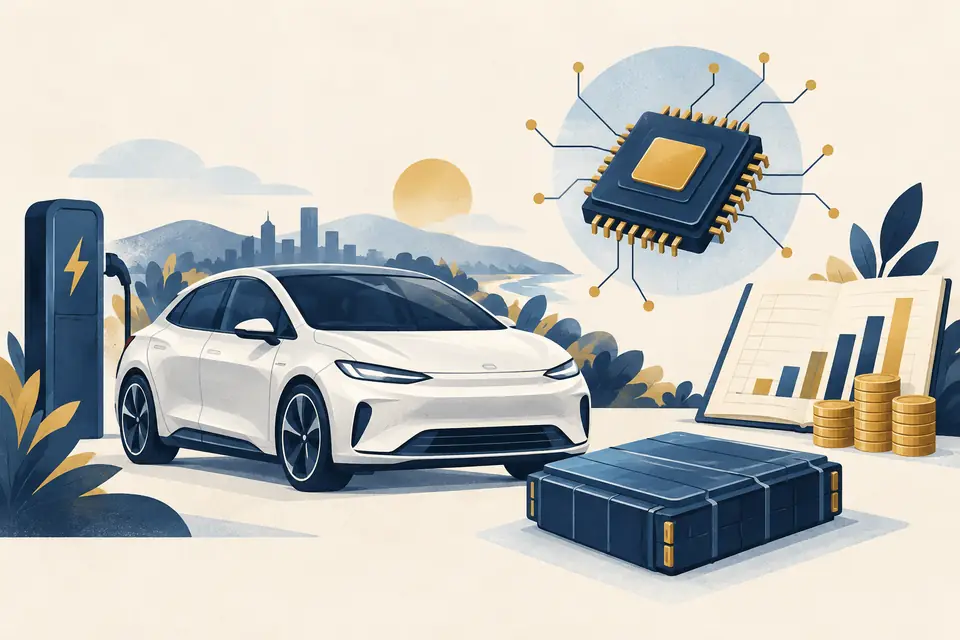
Tesla reported first-quarter 2026 revenue of $22.387 billion, compared with $19.335 billion a year earlier. Its quarterly filing recorded operating cash flow of $3.94 billion, up from $2.16 billion, and an automotive gross margin of 21.1%, compared with 16.2%. Released on April 22, the results provide the financial starting point for assessing further investment in AI and autonomy. [1][2]
Automotive gross margin is not the same as company-wide operating margin. It also requires attention to the contribution of regulatory-credit revenue and changes in vehicle pricing, cost, and product mix. Comparing an adjusted measure in one quarter with a GAAP measure in another can produce a misleading trend.
Revenue growth alone does not establish how much came from higher volumes, pricing, services, or other activities. Segment information and management’s explanation help identify the drivers.
Operating cash flow can change with working capital as well as profitability. Inventory, supplier payments, and customer receipts affect the timing of cash. Capital expenditures then determine how much cash remains after investment in facilities, equipment, and infrastructure.
A company pursuing AI and autonomy may incur substantial costs before related products generate material revenue. Those costs need to be considered alongside the cash produced by its existing operations.
Vehicle sales, energy operations, and software or autonomy plans have different business models and uncertainties. Announced capabilities, regulatory permission, commercial deployment, and recurring profitable revenue are separate milestones. Investors should not treat one as proof of the next.
Estimate how much of the investment case rests on existing operations and how much depends on products that have yet to demonstrate recurring profits. The reported quarter helps assess the resources available for those plans. It leaves separate questions about deployment, competition, and returns on new investment.
Sources support the dates and events discussed. This post is not a live update. Financial examples and analysis are for general information. Article images are AI-generated editorial illustrations, not photographs of the events or people discussed.
Revision note: Replaces the speculative earnings preview with the published Q1 2026 results.
For factual corrections, see our corrections policy.
Santander’s acquisition announcement explains the proposed ownership change and scale of the combined banks. Here is how to read that record.
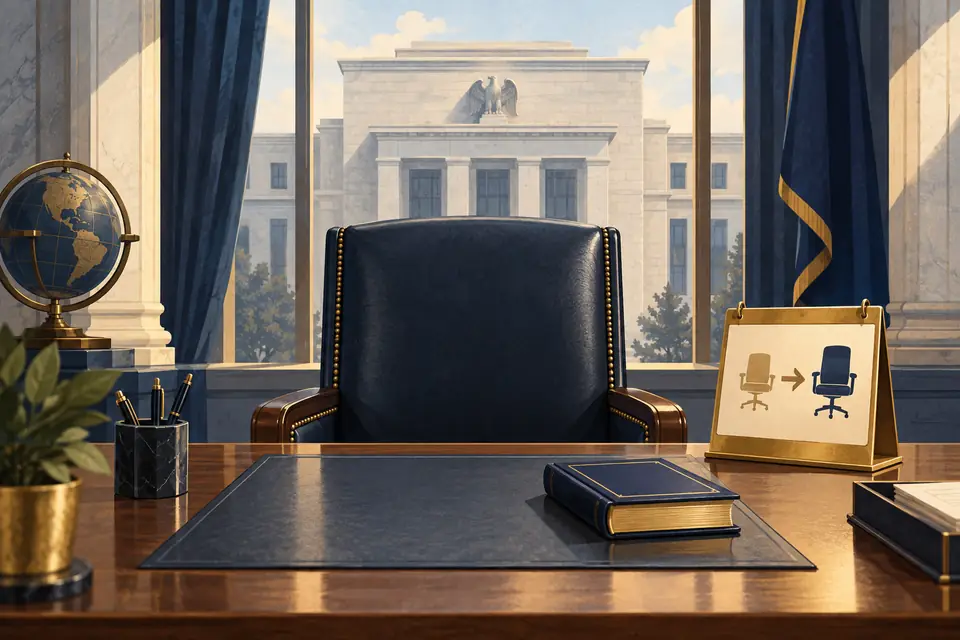
Warsh took office on May 22, 2026. The transition explains how confirmation, Board membership, and FOMC leadership fit together.

Three co-heads share global investment banking leadership. The practical questions concern client coordination, responsibility, and execution.