




# Business
Elon Musk’s five-step process: a practical reading
A practical way to apply the five steps: challenge requirements, remove duplication, simplify, speed up, and automate.


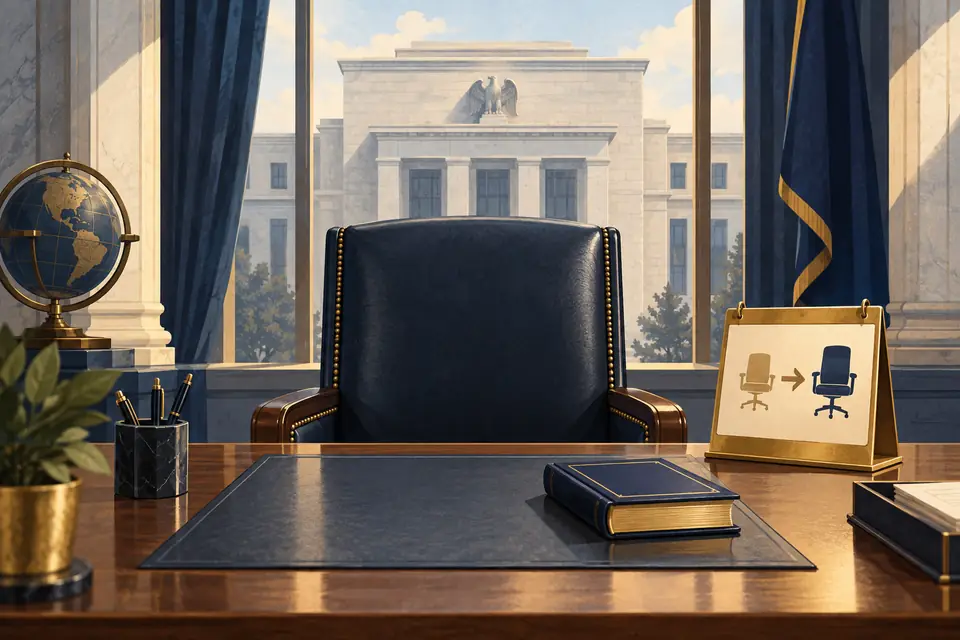
Kevin Warsh took the oath of office as chair and a member of the Federal Reserve Board of Governors on May 22, 2026. The Federal Open Market Committee unanimously selected him as its chair the same day, according to the Fed’s announcement. His chair term runs through May 21, 2030. [1][2]
Senate confirmation authorizes an appointment; the swearing-in records when the official takes office. For Warsh, the Fed’s announcement identifies May 22 as the start of the chairmanship. Keeping those dates separate avoids mistaking an approved appointment for a completed transition.
Warsh had previously served on the Board from 2006 to 2011. That background provides context for his familiarity with the institution, but past views are not a complete description of the decisions he will make in a different economic environment. [2]
Monetary policy is decided by the FOMC. The chair has substantial influence over its agenda and communication, but must work with other voting members. A leadership change therefore should not be equated with an automatic rate cut, a particular balance-sheet target, or a completed regulatory overhaul.
Claims about those outcomes need the relevant decision, proposal, or published statement. Market expectations should be dated and kept separate from official actions.
Banks assess funding costs, liquidity, credit demand, and asset quality under different policy scenarios. Borrowers should examine how their own contracts reset and what longer-term financing costs imply. The transition is important institutionally; its financial consequences depend on the decisions that follow and on the economic conditions in which they are made.
Sources support the dates and events discussed. This post is not a live update. Financial examples and analysis are for general information. Article images are AI-generated editorial illustrations, not photographs of the events or people discussed.
Revision note: Corrects the distinction between confirmation and taking office on May 22, 2026. Unsupported policy predictions have been removed.
For factual corrections, see our corrections policy.
A practical way to apply the five steps: challenge requirements, remove duplication, simplify, speed up, and automate.

The April 2026 launch added Alaska’s first European route. Demand, connections, seasonal schedules, and costs shape its business case.
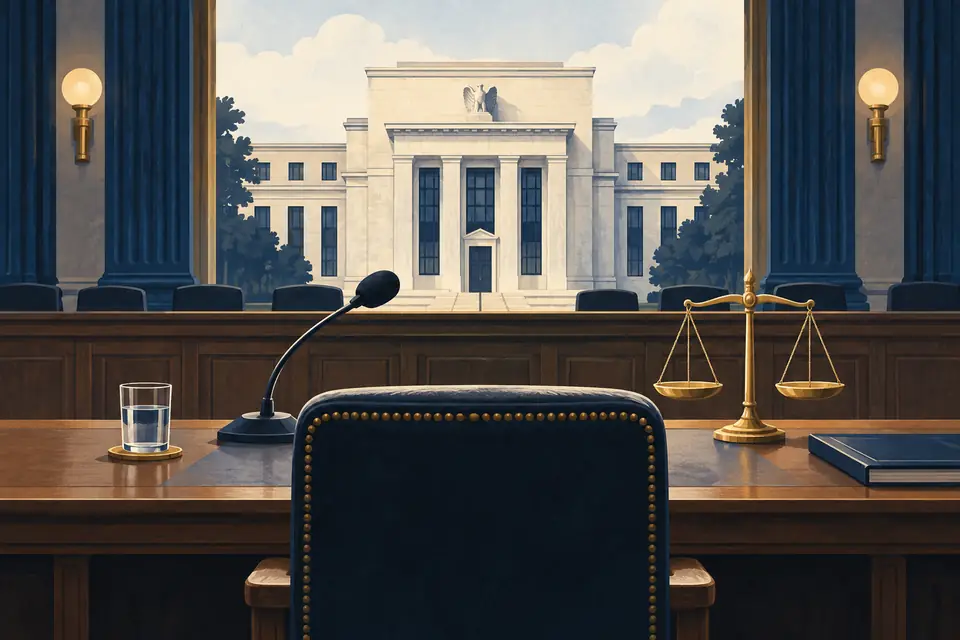
Warsh’s April 2026 nomination hearing provides a starting point for examining the Fed’s mandate, accountability, and later decisions.