



Will Musk be able to deliver when the S&P 500 goes up?
Today is the day that investors are getting ready for Tesla's Q1 earnings release.As the markets approach all-time highs,they are especially interested in EV margins and AI growth.
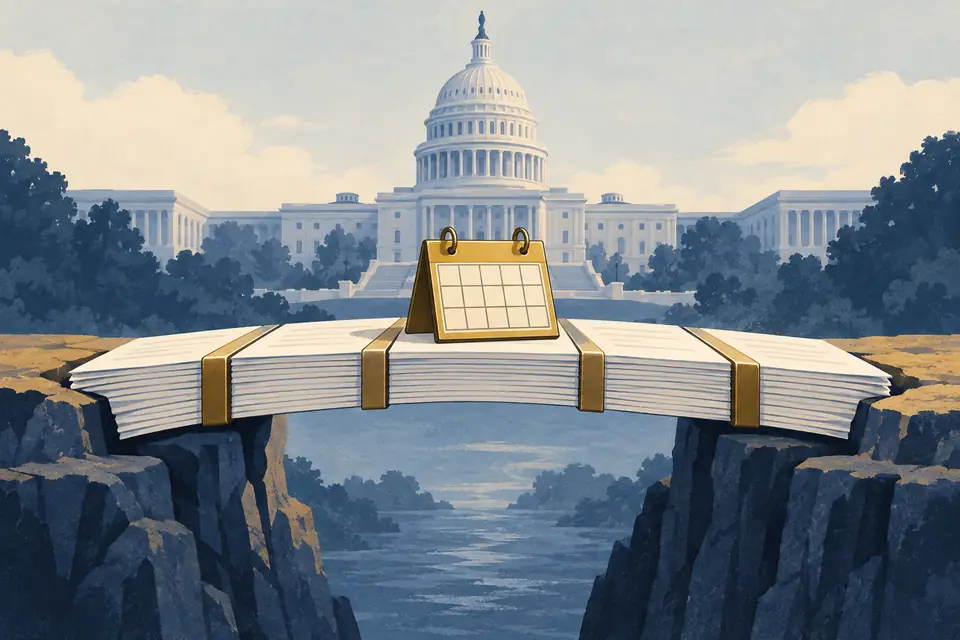
The U.S. House of Representatives has approved a temporary government funding measure that will keep federal agencies open past the September 30 deadline and avert a potential shutdown just weeks before the 2026 midterm elections. The measure, called a continuing resolution, would push off a government shutdown by extending funding through Dec. 4, 2026, giving lawmakers more time to work out a full-year spending deal.
The bill was approved by the House on a party-line vote of 220 to 205, with Republicans for the measure and most Democrats against it. The unusual timing of the vote suggests worries among congressional leaders that a funding crisis in the final weeks of the election campaign could have significant political consequences for both parties.
House Republican leaders argued that passing the measure months ahead of the deadline would provide stability and avoid another disruptive shutdown fight during the election season. Republican leaders, including Speaker Mike Johnson, said the bill was meant to avoid uncertainty for federal workers, government programs and the overall economy.
The move comes as Congress remains gridlocked over passing the full set of annual appropriations bills needed to fund the federal government. The House has passed several spending bills but negotiations have been slowed by disagreements between Republicans and Democrats over priorities, policy restrictions and funding levels.
By extending the deadline to December, lawmakers are effectively pushing the next major budget showdown until after voters go to the polls in November. The strategy is designed to prevent a repeat of past shutdown battles that upended government operations and inflicted political damage on the party seen as responsible.
Though the funding extension passed the House, it revealed deeper rifts between Republicans and Democrats on how federal spending decisions should be made. Democratic lawmakers said the bill was introduced without enough bipartisan negotiations and did not respond to concerns about several policy provisions related to federal funding.
Democrats also voiced concerns about portions of the bill funding immigration enforcement and suggested the legislation could provide more money for policies they do not support. Several Democratic leaders said they want stronger protections and more input before supporting a temporary funding measure.
Republicans, meanwhile, said the legislation was a straightforward effort to keep the government operating. They said allowing funding to lapse would cause needless disruption and endanger federal workers, military operations and public services. GOP leaders say the Democratic Party is using the threat of a government shutdown as a political bargaining chip heading into the midterms.
The argument mirrors broader tensions over the trajectory of federal spending under the current Republican-led House. Border security, government efficiency, defense funding and domestic programs have become main points of disagreement between the two parties.
This makes the vote politically significant, too. With the 2026 midterm elections looming, both parties are angling to set the public narrative on government spending and fiscal responsibility. Republicans are trying to cast the bill as an example of responsible governance, while Democrats contend that the process lacks real compromise and accountability.
The House has passed the temporary funding measure but it's unclear whether the Senate will approve it as bipartisan support is likely needed there. Senate leaders from both parties are expected to negotiate changes before the bill can move forward.
Another potential obstacle is the Senate's role, because its lawmakers have different priorities and a smaller margin for passing legislation. Republicans hold the House of Representatives. But the Senate requires more consensus and Republicans have to work with Democrats to prevent a lapse in funding.
The Senate is likely to debate whether to add, delete or alter other policy provisions. Some lawmakers have expressed concerns that lingering disputes could delay approval and push Congress toward another shutdown deadline.
The fight over funding comes after a period of recurring budget battles in Washington, where disagreements over spending levels and policy riders have frequently pushed lawmakers toward last-minute deals. A shutdown before the mid-term elections would have disrupted government operations, shaken economic confidence and hurt public perceptions of congressional leadership.
The extended funding through December has given lawmakers more time to negotiate fiscal year 2027 spending plans. But the temporary fix does not resolve the deep-rooted disagreements that have stymied Congress from working out a long-term budget deal.
The decision to approve a temporary spending bill months before the usual deadline shows the growing influence of election-year politics on congressional strategy. In the past, fighting over government funding near election time has had serious political consequences, as voters tend to hold lawmakers responsible for any interruptions in the delivery of federal services.
GOPers say that avoiding a shutdown before the midterms shows a desire for stability and responsible governance. Party leaders say the measure removes uncertainty and keeps Democrats from turning a possible funding crisis into a campaign issue.
But Democrats say the early funding fix does not settle key policy disputes and is an effort to avoid tough negotiations before voters decide in November. They have emphasized that government funding decisions should be the result of more discussion and bipartisan compromise.
With midterm elections on the horizon, the Senate talks could shape the political landscape. A smooth approval process may allow both sides to turn attention back to campaign issues, while a renewed funding fight may revive talk of congressional effectiveness and partisan divisions.
The House vote is a stopgap that will keep government running past the election for now. But the bigger budget fight remains unresolved, and at some point lawmakers will have to reach a long-term agreement on federal spending priorities for the next fiscal year.
Leave a Reply