



Will Musk be able to deliver when the S&P 500 goes up?
Today is the day that investors are getting ready for Tesla's Q1 earnings release.As the markets approach all-time highs,they are especially interested in EV margins and AI growth.
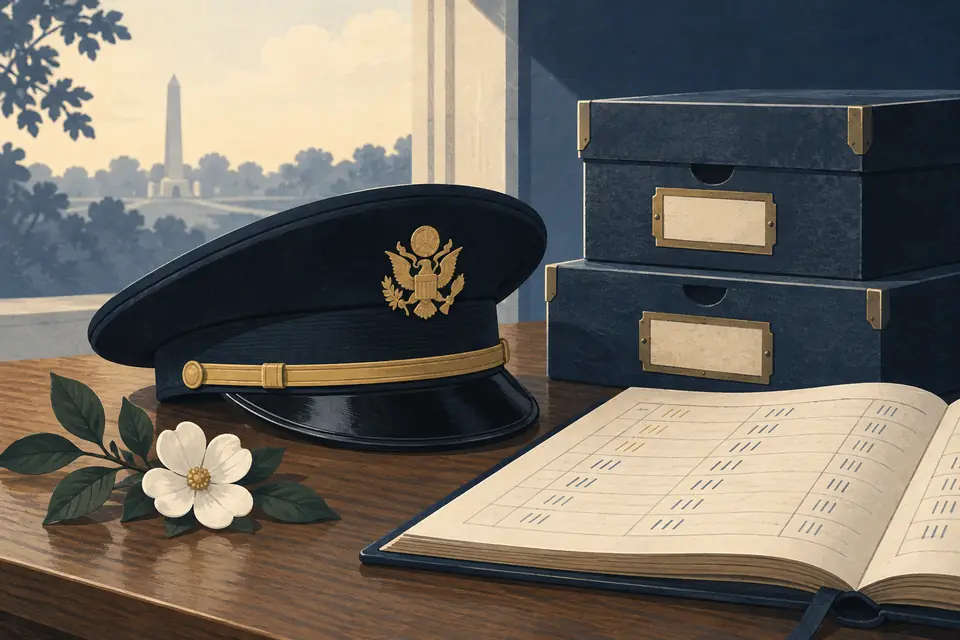
The Pentagon has changed the way it counts U.S. military casualties associated with the conflict with Iran, creating a new reporting category that has drawn criticism from veterans, lawmakers and transparency advocates. The move follows the removal of several U.S. service members killed and wounded in renewed fighting from the main Iran war casualty tally and their placement into a separate category called "Overseas Operations."
The shift has raised questions about whether the new system fully captures the human toll of the fighting, and whether the public is getting the full picture of U.S. military losses. Critics say that detaching casualties from the overall count of the war could make it more difficult for citizens and policy makers to grasp the total impact of U.S. involvement in Iran.
The Pentagon said the change was administrative and involved a change in operational classification. Officials described the removal of casualty information as a temporary disruption of data, not as an effort to hide information. But the timing of the change has made it more closely scrutinized because it came as the administration faced pressure over the length of the conflict, military spending and the broader strategy toward Iran.
The controversy highlights an ongoing dilemma for governments at war – how to balance operational classifications with public accountability and reporting of military casualties.
The row started after the Pentagon took out four recent troop deaths from its main database of casualties in the Iran war. The dead included three service members who were killed in a missile strike on a U.S. base in Jordan and another who was killed in an Iranian drone incident in Iraq. Following the review, those deaths were added to a separate category, called "Overseas Operations," rather than being included in the main Iran conflict numbers. Later, officials restored the information to the casualty database but kept the separate classification.
It changed the public's perception of the official figures. Previous figures showed 18 U.S. service members dead and hundreds wounded in the conflict, but the new classification system required users to add figures from several categories to arrive at an overall impact. Military analysts said casualty reporting categories are more than statistical labels. They can impact how operations are documented in official service histories and can impact future recognition, benefits and documentation for affected families.
Veterans' groups had warned that changes in classification could confuse survivors and families of fallen service members, especially if records were used to determine eligibility for some military benefits or services.
The Pentagon's move drew criticism from veteran groups and lawmakers who said military casualties need to be reported clearly and consistently. Critics argue changing classifications in the middle of an ongoing conflict risks undermining public trust and creating confusion about what military operations really cost.
Some advocates for veterans worry that the reclassification could affect the way the sacrifices of service members are recognized. They say that soldiers who are killed or wounded in a related military operation should not appear to be somehow divorced from the larger war in which they lost their lives or were injured.
Some lawmakers have also expressed concern that the Pentagon's approach could interfere with congressional oversight. Casualty numbers are often important in debates about funding, authorizing military action, and whether to continue or end conflicts. The uproar comes as the administration is under heightened scrutiny over its handling of the Iran conflict and Defense Secretary Pete Hegseth and military officials. Pentagon officials have defended their reporting methods saying operational categories need to reflect legal and administrative realities.
Supporters of the Pentagon's version note that the military's databases generally categorize operations by the timing of their missions and the legal authorities under which they operate. Classification changes don't necessarily mean casualties are being ignored, they say, but that they're being counted under different operational categories.
The dispute over casualty reporting comes as the U.S. military campaign against Iran is the subject of wider debate. Questions have been raised about the duration, costs and strategic aims of the conflict, particularly given that fighting has persisted despite initial efforts at a ceasefire. The Trump administration has contended that the military action was necessary to protect U.S. interests and respond to Iranian threats. Officials have also said that diplomatic efforts could still be pursued while keeping pressure on Tehran.
But critics have questioned the administration's transparency about the state of the conflict and where it was headed. The casualty reporting controversy adds yet another wrinkle to the concern over wartime transparency. Military conflicts are often complex reporting systems as different operations may have different legal authorities, timelines and missions. But advocates for transparency say those differences shouldn't hide the human toll of war from the public.
The debate is symptomatic of deeper tensions between the imperatives of national security and democratic accountability. Governments often say they need flexibility to make military decisions, but critics say citizens deserve clear information about the costs of armed conflict.
Veteran groups not directly involved in the political fight have raised concerns about what that might mean for service members and their families. Your military service records affect eligibility for healthcare, survivor benefits, awards and long-term recognition programs. The inconsistent classifications of casualties could cause administrative headaches for families seeking assistance when they lose a loved one or are caring for an injured troop, advocates say. They say proper documentation is key to making sure service members get the right recognition and support.
The Pentagon has not said affected troops or families will lose benefits because of the change in classification. Officials said the adjustment was due to reporting categories, not changes to military support programs. But veteran groups say the controversy underscores the need for clear communication from defense officials. "Families who are making sacrifices during military operations should not have to worry about whether or not their loved ones' service is fully recognized," they say.
The Pentagon's new casualty reporting system has emerged as a major flashpoint in the debate over how governments disseminate wartime information. Administration supporters say military designations can change as operations unfold, but critics say casualty numbers should be simple and transparent. The fight is likely to drag on as Congress considers the administration's response to the Iran conflict and veterans' groups push the Defense Department for more transparency.
For many observers the problem is not just statistical. Casualty figures are actual people, families and communities touched by military decisions. The classification debate is a proxy for a larger question of how democracies balance security interests with the public's right to know the consequences of war. The Pentagon's reporting on things will be closely watched by Congress, veterans' groups and the public as the situation in Iran develops.
Leave a Reply