



Will Musk be able to deliver when the S&P 500 goes up?
Today is the day that investors are getting ready for Tesla's Q1 earnings release.As the markets approach all-time highs,they are especially interested in EV margins and AI growth.
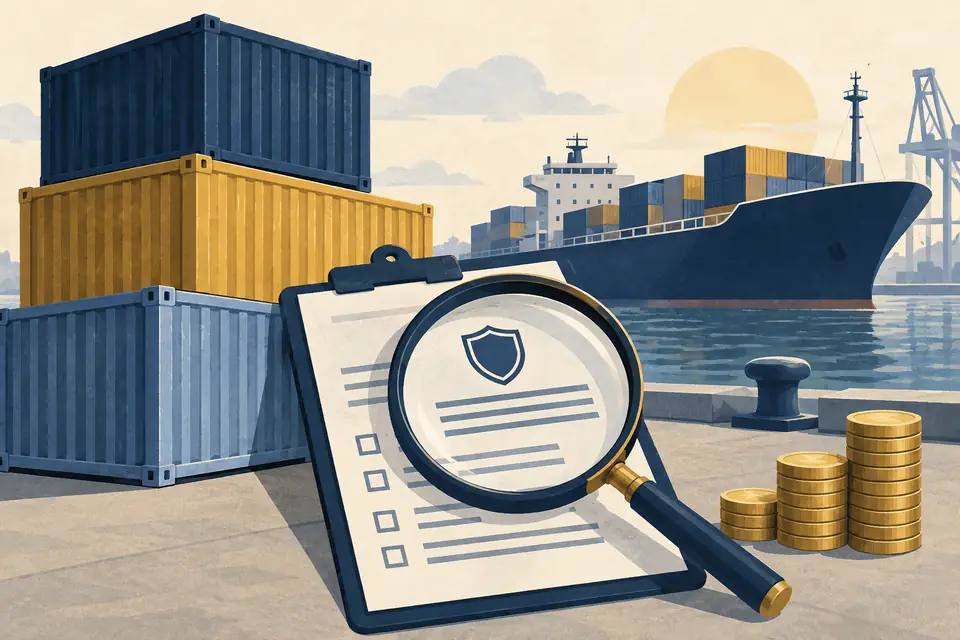
The Trump administration said it was imposing a new round of tariffs on imports from 60 global trading partners, citing concern that those countries have not done enough to stop goods produced with forced labor from entering international supply chains. The new tariffs are another significant move in President Donald Trump's wider trade strategy, which has depended heavily on tariffs to pressure foreign governments and remake global commerce.
The tariffs come after the expiry of a previous temporary global tariff programme and include additional duties of 10% to 12.5% depending on that country's existing policies and enforcement on forced labour imports. The administration said the measures are aimed at pressuring trading partners to tighten their own restrictions on goods made using exploitative labor practices.
The change comes as China, the European Union, Japan and other key U.S. trading partners shift. The targeted countries account for nearly all U.S. imports, the administration said, making the policy one of the broadest trade actions of Trump's current tariff campaign. The new tariffs were imposed under Section 301 of the Trade Act of 1974, a law that empowers the United States to take action against what it deems to be unfair trading practices. The administration said that not enforcing the ban on forced labor gives foreign producers an unfair advantage and puts American companies that adhere to higher labor standards at a disadvantage.
The announcement comes after months of uncertainty over Trump's tariff strategy. Legal challenges have been brought against previous tariffs, including a Supreme Court ruling that weakened part of the administration's prior strategy. The last step is to try to use trade penalties through another legal channel.
The Trump administration announced the new tariffs as part of a wider effort to remove forced labor from global supply chains and protect American workers from unfair competition. The abusive labor conditions can lead to products entering global markets at lower prices, putting pressure on companies with stricter labor rules, U.S. officials said.
The investigation of the 60 countries included public hearings, written comments and meetings with foreign governments, the U.S. Trade Representative's office said. These countries had not done enough to prevent imports linked to forced labour, officials said. The new system will impose a lower 10% tariff on countries that the US thinks has better forced labour restrictions, but poor enforcement. Countries with weaker controls will be subject to a higher rate of 12.5%.
Administration officials said the policy is intended as a trade measure and a human rights initiative. They said pressure on countries to strengthen labour protections could reduce exploitation and improve conditions for workers worldwide. But critics have asked if tariffs are the best way to address concerns about forced labor. Some trade experts say import taxes could raise prices for consumers and companies and may not always lead to better working conditions abroad.
This argument is part of a broader argument about the role of tariffs in economic policy. Supporters say tariffs can be used to pressure foreign governments and protect industries at home. Critics say they can sour trade relations and raise prices.
The announcement was met with a mixed reaction from the countries hit by the tariffs. The claims by the US were disputed by some countries who said that existing systems of labour protection and enforcement already addressed concerns of forced labour. China, the main target of the U.S. trade actions, criticized the ruling and denied that its trade practices deserved further tariffs. Other governments were concerned that the policy would erect unnecessary barriers to world trade.
Some European officials said they were comfortable with the lower tariff rate and discussions with Washington on broader trade relations were continuing. The EU and the US have a long history of working together to resolve trade frictions before they escalate, especially in the area of industrial goods and technology sectors.
Other countries, including Australia, have also rejected the claims saying they already have tough laws on modern slavery and forced labour. Officials questioned the rationale of imposing more tariffs in the context of co-operation with the United States on labour standards. The answer is that it is difficult to tie trade policy to human rights. Governments agree that forced labour should be eliminated, but disagree on whether tariffs are the right tool to do this.
Now, companies around the world are weighing the effects of the new tariffs on supply chains, manufacturing costs and pricing strategies. Firms dependent on imports could be forced to reconsider where they get their goods, or pay more for them.
The new tariffs are worrying companies that rely on global manufacturing networks. Higher tariffs on goods coming into the U.S. could mean higher costs for importers, retailers and manufacturers. Companies with complex global supply chains may need to rethink how they source. Some companies may move their production to countries with lower tariffs, some may renegotiate their contracts with suppliers or increase their domestic production capacity.
The most sensitive sectors to trade shocks are those that depend heavily on international manufacturing such as consumer goods, electronics, apparel, machinery and others. Companies outside the U.S. may need to establish whether their supply chains are compliant with the new U.S. standards. The tariff announcement also adds to uncertainty for investors as trade policies can affect corporate earnings and economic growth. Higher import costs could pressure margins for companies less able to pass costs onto customers.
Economists have warned tariffs could increase inflationary pressure if companies pass the cost on to consumers. Ultimately consumers could end up paying more for imported goods if companies pass the cost of the tariffs on to retail prices. The policy's advocates say the tariffs can encourage companies to move production closer to the U.S. and bolster domestic industries. The administration has repeatedly said that reducing dependence on foreign supply chains is vital to economic security.
The Trump administration's latest in a series of trade attacks is new tariffs on forced labor. Since taking office, Trump's economic agenda has revolved around tariffs, which he argues can give the U.S. a bargaining edge and compel foreign governments to alter policies. The administration has used tariffs to address the trade imbalances, manufacturing and industrial policies competition. The use of forced labour measures is a deviation from the application of labour standards as a basis for trade restrictions.
Supporters claim the policy is in the country's economic and ethical interests, raising labor standards and protecting American workers. Critics say tariffs can boomerang, raising costs and creating uncertainty for businesses around the world. It is also important to note that this announcement replaces the previous temporary tariff measures. Some of its early steps have been overturned in court challenges and the administration is trying to defend its wider tariff regime.
Markets have so far reacted mildly, but investors are watching closely for any signs of retaliation or a broader trade war. Further tariffs or retaliatory measures by affected countries could have knock-on effects on global economic growth and cross-border investment decisions.
The new tariffs are more turning points in the complex evolution of the relationship between the United States and its trading partners around the world. Other governments and businesses are concerned about the effect on international trade, though the administration says the measures are designed to improve labor standards and protect American workers.
The long-term effect will depend on how countries respond, and whether negotiations will bring about changes in trade policy. Any reprisal from the affected countries could lead to further disruption of global supply chains. Companies need to know how the policy is executed, what exemptions exist, and what future changes are on the horizon. Certain products such as energy related products and essential products may be excluded from the tariff regime.
The big question for consumers is whether companies will absorb the extra costs or pass them on in the form of higher prices. Governments will find it hard to reconcile the two demands of enforcing trade rules and keeping up good international economic relations. Trade policy is getting more and more caught up in bigger political, economic and social issues and the forced labour tariffs are an example of this. The US is in the process of rethinking how it engages with global trade – and companies and governments across the world will be looking closely to see what happens next.
Leave a Reply